Christmas splurge delivers mountains of waste … and debt
Is your fridge overflowing with leftovers from a Christmas dinner which could have fed your family three times over?
Fri 26 Dec 2025 07.00

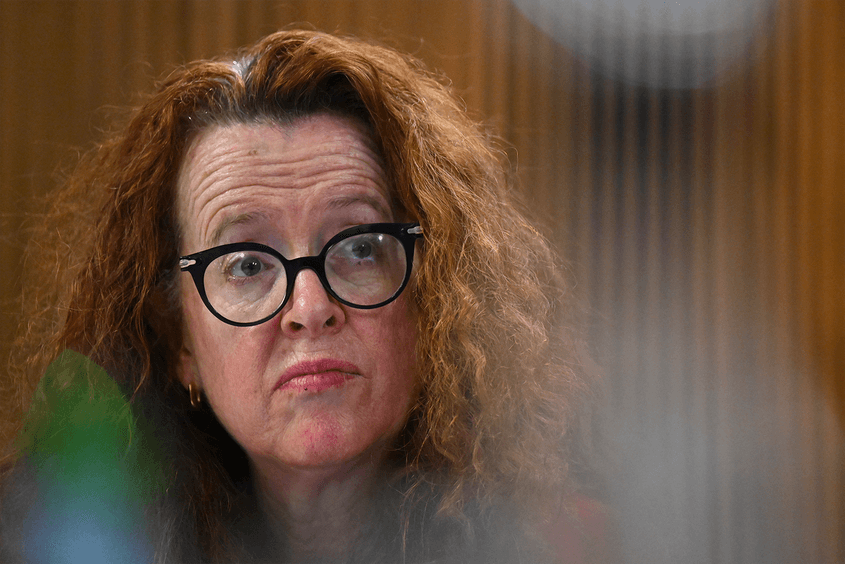
Photo: AAP Image/Steven Saphore


Is your fridge overflowing with leftovers from a Christmas dinner which could have fed your family three times over?
Is the rubbish bin already full?
How many of yesterday’s presents are already sitting at the back of the wardrobe, never to be worn or used?
What about all that wrapping paper? Neatly folded and ready to be used again? Didn’t think so.
How about those plastic trinkets from the Christmas crackers or the paper hats which sat on your family’s heads for maybe an hour?
Cost of living crisis? What cost of living crisis?
According to the Australian Retailers Association, the average Aussie shopper spent $707 on Christmas presents this year – $61 more than last year.
That’s before you count the cost of the turkey, ham, pudding, cake, wrapping paper, alcohol, filling the car up for the annual road trip or lashing out for a flight or hotel. Let alone the cards, ribbons, Christmas clothing, decorations, lights or spending by companies on big corporate parties.
It was – as always – a sickening festive splurge, despite a fourth year of stubborn inflation which has seen the cost of practically everything continues to surge.
After interest rate cuts in February, May and August, the optimism of more rate relief went down like a second serving of plum pudding after a huge turkey roast. Some economists are even predicting rates might go up again before they come down.
If you believe the statistics, anything between 17.4 percent (Salvation Army research) and 38 percent (Finder.com.au) of us will have gone into debt to make Christmas feel like something out of a feel-good festive film.
And for what?
While a tree dwarfed by beautifully wrapped gifts or a table laden with Christmas goodies may look great on your Insta feed, it belies a painful truth … that Christmas is a drawn-out season of waste, leading to an even longer season of financial hardship.
Research by The Australia Institute has found that more than a billion dollars’ worth of this year’s Christmas gifts will never be used or worn.
In fact, many may have already found their way to the rubbish bin, bound for landfill.
“There are many better ways to show someone you love them at Christmas than splurging a fortune on something they don’t want or need,” said Nina Gbor, Director of The Australia Institute’s Circular Economy & Waste Program.
“If you buy something which someone will just get rid of on Boxing Day – or leave sitting in a cupboard and throw away in five years – nobody wins.”
“You’ve wasted money you probably couldn’t afford to waste on a gift which had little or no real benefit to your loved one.”
“You probably wrapped it in wrapping paper, maybe even added a card or some ribbon – and the whole lot ends up in landfill, so the planet is the biggest loser of all.”
While The Australia Institute research revealed almost half of those buying gifts never really stopped to think where the gift would end up, even more (52%) said they’d prefer not to receive useless gifts.
So, in essence, Christmas is a time when people who don’t want gifts get gifts they won’t use from people who can’t really afford to buy them.
From the mountains of Christmas dinner leftovers scraped into the bin to the worn-once-a-year Christmas shirt or pyjamas, December is, by far, the biggest month of landfill waste.
In the US, it’s estimated waste increases by almost a quarter in December, with millions of additional tonnes of plastic, fabric, food and mountains of assorted junk bulldozed into landfill before New Year’s Eve.
But there is a better way.
Ms Gbor says Christmas is the perfect time to embrace the principles of a circular economy – and suggests starting in 2026.
“The easiest way to avoid Christmas waste is to ask your loved ones what they want for Christmas.”
“Not only does a bit of honesty enable you to buy something you know your loved one will like, but they also don’t have to pretend to like it!”
Ms Gbor also suggests giving gifts in reusable bags or reusable fabric wrapping or buying second-hand gifts, which keeps existing items in circulation and prevents new ones from going straight to landfill.
“A more sustainable way to run your Secret Santa or Kris Kringle is to have a ‘regifting and secondhand gifts only’ rule for this fun activity. It’s amazing to see the presents gifted in this game when you encourage people to reuse, regift or swap items like toys, books, clothing or decorations.”
Preparing a more realistic Christmas meal, with fewer trimmings, while also storing, preserving and composting leftovers can save money and benefit the environment.
“A more sustainable Christmas can be just as much fun as a Christmas with all the throwaway trimmings,” Nina Gbor says.
“It not only keeps mountains of waste out of landfill, it keeps families out of debt.”
“If you’re surrounded by unwanted gifts, wasted food and unnecessary plastic trinkets this Boxing Day, look around you – right now is the time to start planning how you’ll do things differently in 2026.”
Related Articles
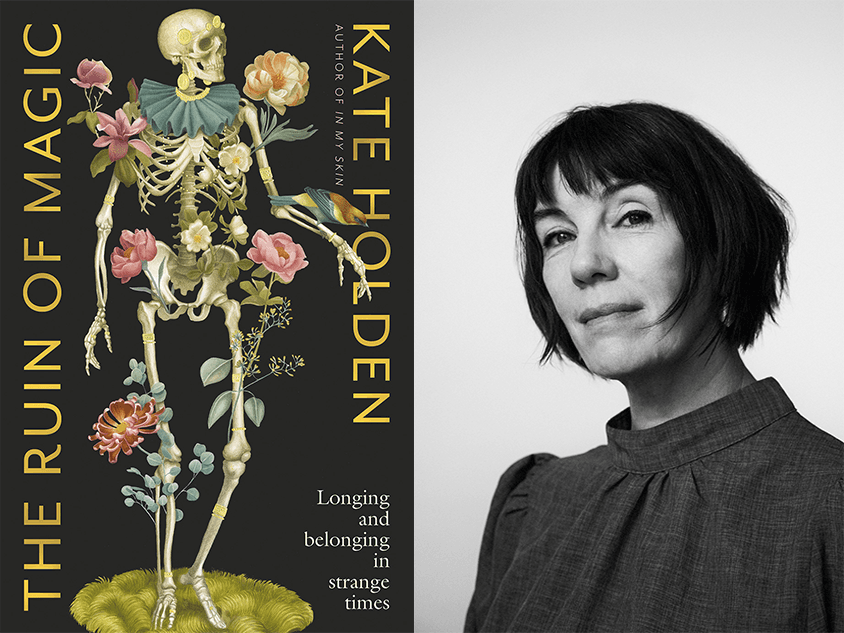
The Ruin of Magic
This is an edited extract from "The Ruin of Magic" by Kate Holden, published by Black Inc.
See What You Made Me Do: Foreword
This is the new foreword, written by Clare Wright, for the new updated edition of 'See What You Made Do' by Jess Hill