One Nation’s rise gives progressive voters unexpected power in “safe” Coalition seats
The rise of One Nation creates a surprising opportunity for progressive voters. There are now “safe” Liberal and National seats where One Nation could do very well.
Wed 25 Feb 2026 01.00
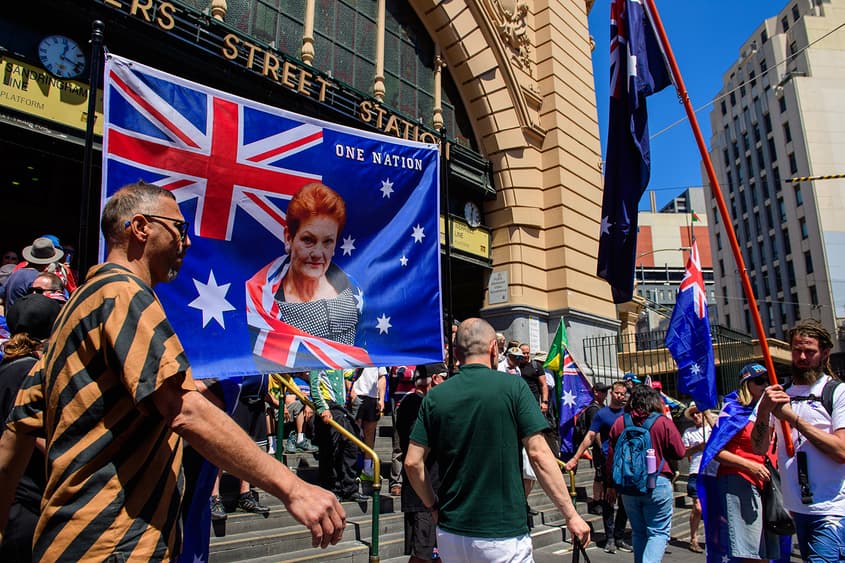
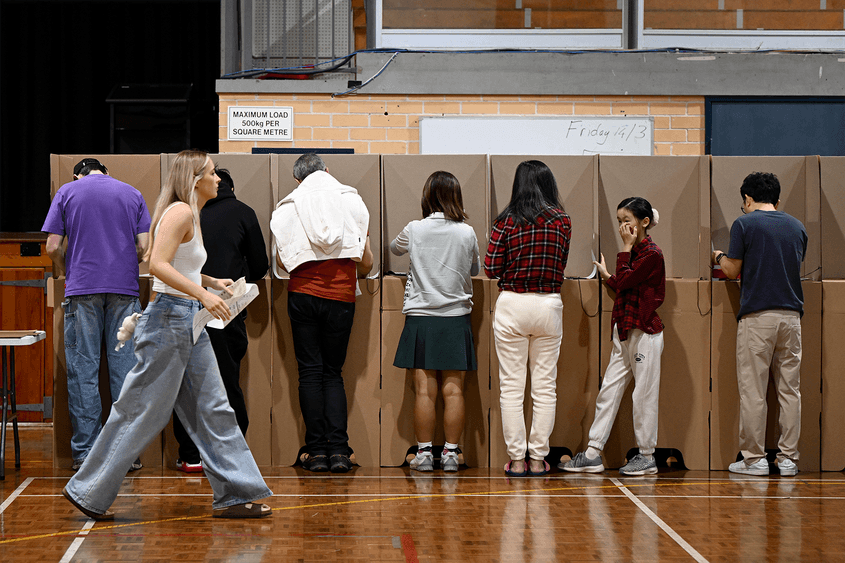
Photo: AAP Image/Michael Currie


The rise of One Nation creates a surprising opportunity for progressive voters. There are now “safe” Liberal and National seats where One Nation could do very well. Labor, Greens and independent preferences will decide whether One Nation wins those seats – which means progressive voters have leverage over Liberals and Nationals desperate to hold their seats.
For decades, Australians in “safe” seats have been told their votes do not matter, that they cannot influence the outcome of the election. This myth was exploded four years ago, when first-time community independents won a swathe of supposedly safe, “blue-ribbon” Liberal seats. The success of these “teal” independents depended both on winning over former Liberal voters and securing preferences from progressive voters.
One Nation gives progressive voters another chance to flex their muscles and remind the major parties that there is no such thing as a safe seat. A seat is considered “safe” if the winner at the last election got 60% or more of the vote (including preferences), “fair safely” if the winner got between 56 and 60% of the vote and “marginal” if the winner got between 50 and 56% of the vote.
Election analyst Antony Green has made a list of 25 seats to watch against a One Nation challenge, based on the seats One Nation finished second or third in at last year’s election. The Liberal and National parties only hold 15 “safe” seats, and nine of those are at-risk to One Nation.
In addition to the nine safe seats at risk, nine of the Liberal–National Coalition’s “fairly safe” and “marginal” seats are also “to watch” against One Nation, bringing the total to 18 at-risk seats. Another, New England, has already fallen to One Nation by way of Barnaby Joyce’s defection.
If One Nation does anywhere near as well in the election as the polls suggest they will, then many of these seats – including what were some of the safest seats in the country – may come down to preferences.
There is every chance that regional independents will come through the middle to win some of these seats. Labor is competitive in a handful of the seats too.
But if the final two in the race are a Liberal/National MP and a One Nation candidate, it will be the preferences of Labor, Greens, minor party and independent voters that decide who wins the day.
That is the great strength of Australia’s preferential voting system. The candidate who wins each seat is whichever of the final two candidates is preferred by the majority. It is not enough to inflame the passions of an enthusiastic minority. If the race comes down to two candidates you dislike, your preferences can still help elect the lesser of two evils.
For years, conservative voters have known the power of their preferences in inner-city seat contests between Labor and the Greens. In these races, the preferences of Liberal voters – and the how-to-vote strategy that the Liberal Party decides on – help determine whether Green or Labor candidates win seats like Melbourne, Brisbane and Wills.
Similarly, progressive voters in One Nation “seats to watch” now represent a powerful block. At the last election, 644,000 Australians in these 18 “at risk” Coalition seats voted for progressive parties like Labor and the Greens and issue parties like Animal Justice and Legalise Cannabis. Another 48,000 voted for independents of various kinds. Together, they make up just over a third of voters in those seats – enough to decide the outcome.
Those hundreds of thousands of progressive voters now have something to write to their local Liberal/National MP about. The MP needs to take the voter seriously, even if they cannot do anything to change the voter’s first-preference vote, because the seats are going to come down to anything from second or third preferences to eleventh, twelfth or thirteenth preferences too.
Imagine a regional seat where the final two in the race are the sitting National MP versus the One Nation candidate. To the National MP, a progressive voter putting the Nationals second last is just as good as putting them first … provided the voter puts One Nation last.
But if progressives see no daylight between the Coalition and One Nation on issues like migration, civil rights and the environment, and if they conclude One Nation has some compensations (perhaps a willingness to tax the fossil fuel industry), then progressive preferences will decide the outcome.
Liberals and Nationals who are serious about keeping their seats – and independents and One Nation candidates who are serious about winning them – ignore progressive voters at their peril. The rise of One Nation may excite the right, but it has also turned left-wing voters into kingmakers.
Related Articles
Popular policies would be a better revenue raiser than taking fossil fuel and gambling donations
Australians are naturally suspicious of corporate donations, especially when they come from vested interests with everything to gain from influencing government decision-making. But are these donations large enough to explain why politicians act the way they do? The reality is that political donations from harmful industries are small relative to the payments parties receive from you, the voter.