The unemployment rate remained steady in March at 4.3%, as the impact of both the Iran War and interest rate rises have yet to register in official figures.
Economic data is mostly looking at things that happened in the past, but in times when shocks have occurred (such as the Iran War), data can seem even more out of date than usual.
In March, the unemployment rate remained steady at 4.3% in both seasonally adjusted and trend terms:
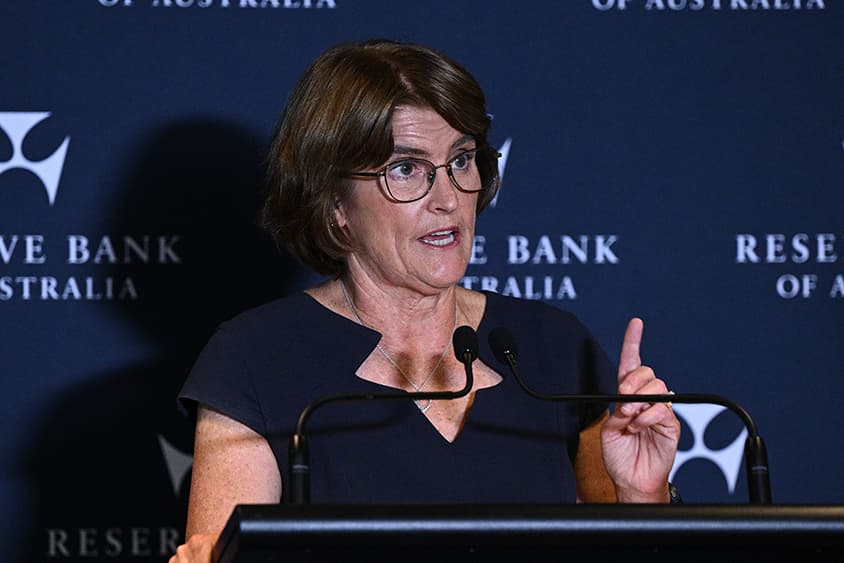
The figures also suggest that the low unemployment figures of December and January were statistical aberrations, and yet they played into the Reserve Bank of Australia’s (RBA) decision to raise rates in both February and March.
Pleasingly, the biggest increase in employment came in full-time work:
The jump in women’s full-time employment was particularly good. But because in March 2025 women’s full-time employment dropped, the combination of a good March 2026 and a bad March 2025 makes the annual growth figures look even better than they really are:
In March, women aged 45-55 became the least unemployed group – overtaking men in the same aged bracket as the group most able to find work.
These figures are certainly good news, but because of how and when the Australian Bureau of Statistics (ABS) conducts the labour force survey, the data might not be as reflective of the economy as we might hope.
The ABS surveys the labour force in the middle two weeks of the month, and relates this to what happened the week beforehand. This means that the survey covers the weeks before the RBA raised interest rates on 18 March, and before the full impact of the petrol price increases caused by the Iran War.
This means we will need to wait to see the April figures to gain a true understanding of the immediate impact of the Iran War, and to start seeing the effects of the RBA’s rate rises in both February and March.
For now, the data looks good, but it remains a picture of the past rather than the present. There will now be more unemployment figures before the RBA meets in the first week of May.
Hopefully, the RBA has realised that these numbers may not reflect reality and that it would be better to wait, than to keep raising rates because things look better than they really are.