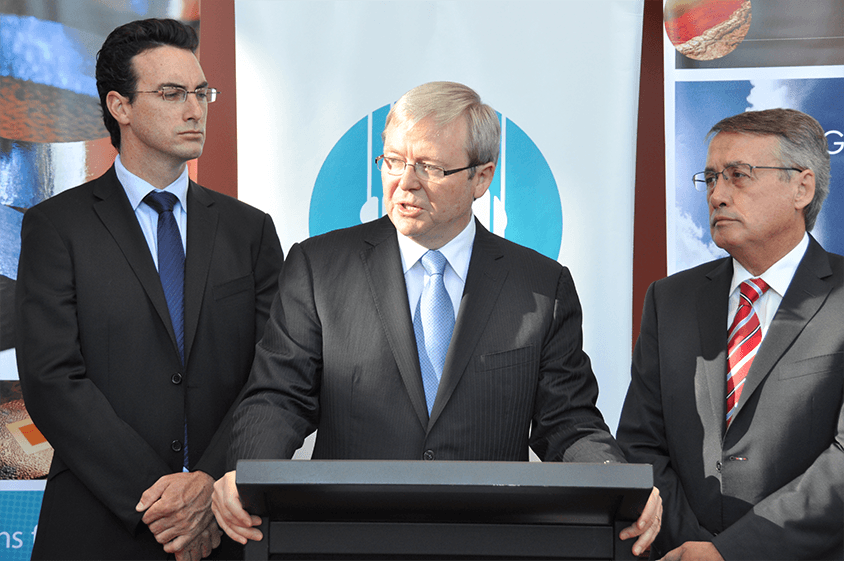
Think back to 2010. Katy Perry is topping the charts, the Matildas are winning their first Asian Cup, and on 2nd May, one week before the year’s federal budget, Prime Minister Kevin Rudd is announcing a new Resources Super Profits Tax. Just 53 days and $22 million in mining company ads later, Rudd was out as PM.
The “Axe the Tax” ad campaign cost BHP Billiton, Rio Tinto and others $400,000 a day – and while its influence over Kevin Rudd’s abrupt departure is debateable, its impact on the tax is not. Just a week after it was announced, 47% of Australians were opposed to the proposed tax, ahead of the 44% who supported it. Two weeks after she assumed the top job, Julia Gillard negotiated a scaled-back “Mineral Resource Rent Tax”, and even that was repealed in 2014 after raising just $340 million.
Now, fifteen years after the Resources Super Profits Tax was abandoned, a new resources tax debate is raging.
As international gas prices have risen because of uncertainty in the Strait of Hormuz, so too have calls for a 25% tax on Australia’s gas exports.
Research from the Australia Institute and the Australian Council of Trade Unions have shown it could raise around $17 billion each year – enough to pay for free and universal childcare or university.
A viral estimates clip where independent senator David Pocock confirmed with treasury officials that the Federal Government raises more revenue from beer excise than the Petroleum Resource Rent Tax (the current tax on gas resources) angered millions of Australians.
And, unlike in 2010, it seems Australians aren’t falling for the tricks of multi-million-dollar astroturf ad campaigns – like the one gas companies are currently running.
A recent poll conducted by uComms on behalf of The Australia Institute found seven in ten Australians support a flat 25% tax on gas exports. The same poll found less than 20% disagreed with such a tax.
Australians of every age group, whether they support Labor, Liberal, the Greens or One Nation, all agree that gas export corporations should pay a flat 25% on gas exports.
It’s not just the public either, politicians like the Greens’ Steph Hodgins-May, Labor’s Ed Husic and independent David Pocock have been strongly pushing for a gas tax, Clive Palmer has taken out ads in support and Liberal leadership rival Andrew Hastie has expressed sympathy for the idea.
But there’s one pretty significant holdout: the PM.
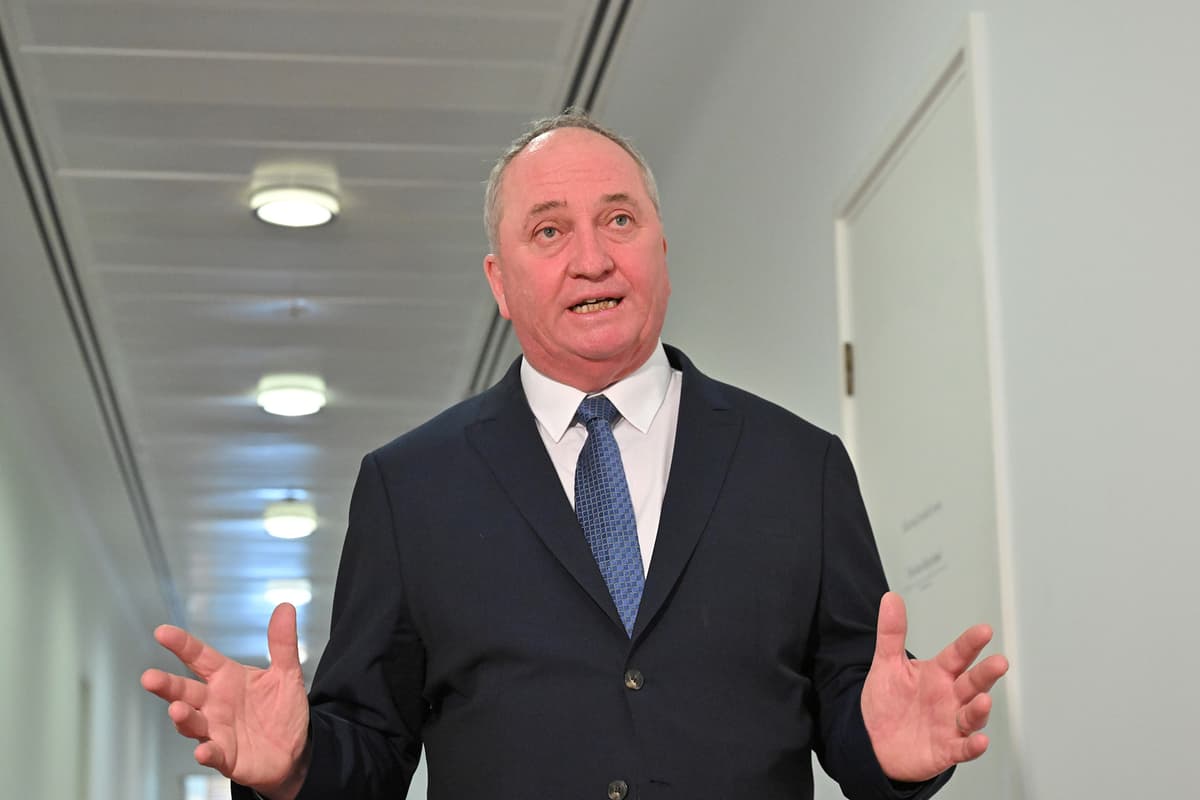
On Wednesday, Anthony Albanese poured cold water on the prospect of a gas tax in the upcoming federal budget, citing gas industry talking points about their existing tax bill and export contracts.
Why?
Albanese was a minister during the Rudd-Gillard years, so perhaps his memories of the “Axe the Tax” campaign have left him scared of any moves to ensure the gas industry pays their fair share.
And, considering the multi-million-dollar ad campaign gas companies have already mounted this year, this fear may not be entirely unfounded. But if that is what’s motivating him, Albanese hasn’t noticed the ground moving beneath his feet.
A lot has changed since 2010. Australia has had six prime ministers, the price of a flat white has doubled, and Australians are far more supportive of taxing resource companies.
Albanese still has the opportunity to listen to the over 70% of Australians who think gas companies should pay more tax on their exports. He just needs to realise that Australians aren’t falling for “axe the tax” anymore – they want to tax the gas.