For those wondering if the PRRT would be revised up due to the oil prices: it was – but only compared to the MYEFO figures.
It’s actually worse than a year ago.
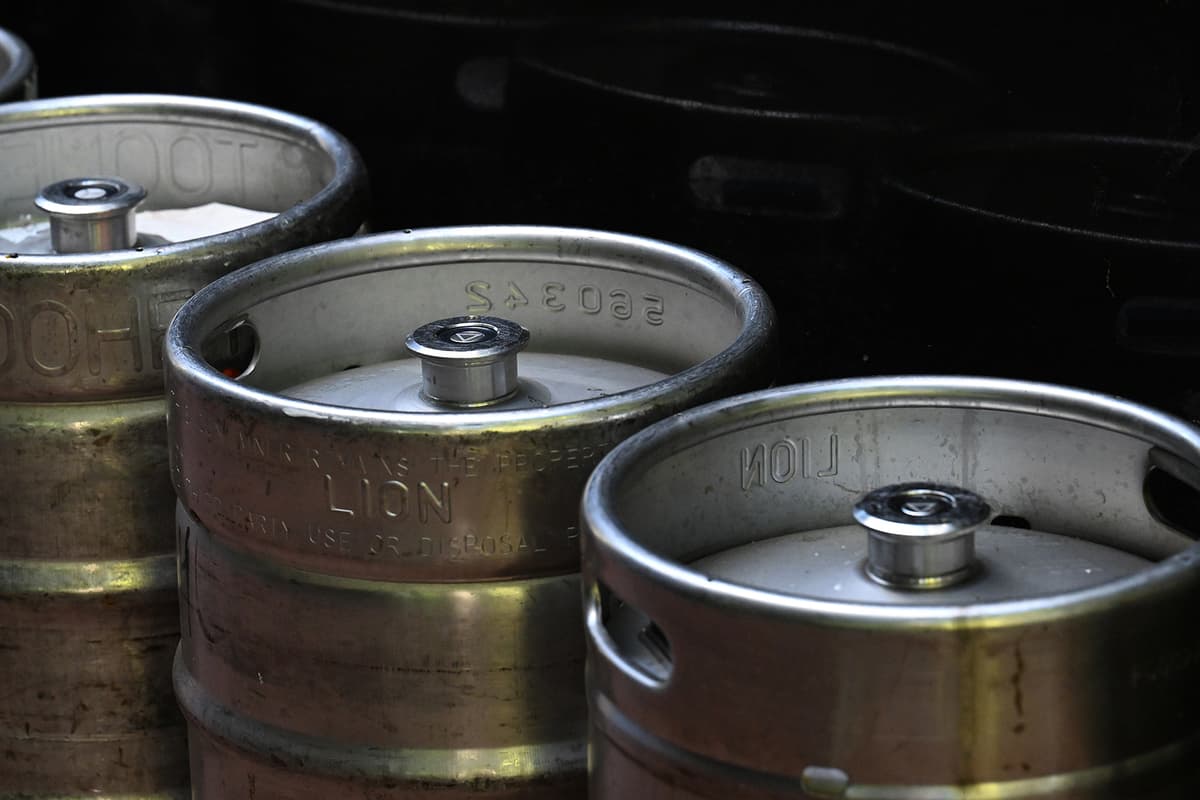
And get this – the gap between beer excise and the PRRT is. getting. bigger.
This is quite extraordinary when you consider that this is the good times for gas.
Think on it – we have a war in Iran which has sent oil prices soaring. The Strait of Hormuz has been blocked. LNG facilities in Qatar have been bombed. And the ongoing issues of Russian gas sanctions remains in place.
And despite all of that, revenue from the PRRT is set to fall.
This, let’s be honest, is as good as it gets for the PRRT.
In the gas tax senate inquiry, we were promised that a PRRT boom was coming – end of the decade was a referenced time line. Well, we now have the figures and PRRT is falling rather than rising.
I am not sure the Government could have produced a set of numbers that more clearly demonstrates just how broken is the PRRT.
If you wanted to make the case for why the PRRT is broken you would let people know that in the 5 months since December – during a period in which the Iran War began and the world oil price went form around US$60 a barrel to over US$100bbl the Treasurer revised DOWN its estimate for PRRT in this financial year from $1.5bn to $1.4bn.
But enjoy all that money because by 2029-030 it is project to be just $1.25bn.
Meanwhile beer excise will go from $2.7bn to $3.1bn.
So I hope the Government is ready for even more anger from voters calling for them to tax the gas.