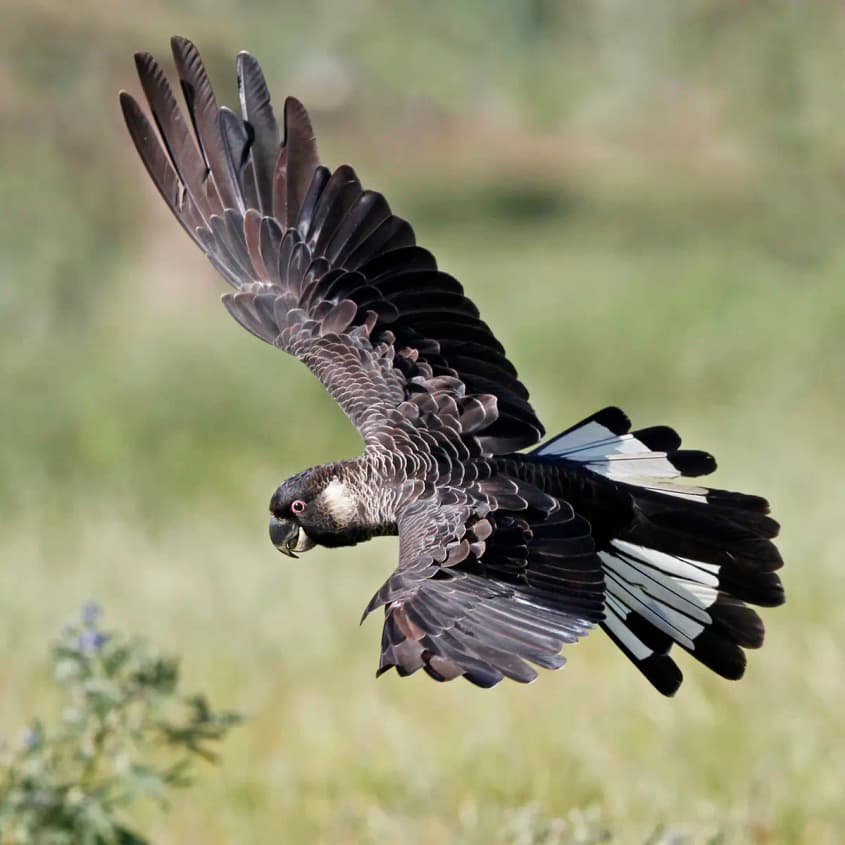
Humans are bad at valuing the things we are not good at. We bundle our strengths together and call them intelligence, then say that intelligence is the best thing to have. And we valorise sight above all the other senses. Hearing once meant much more to us, but we have pushed it to the periphery of our lives.

Wed 3 Dec 2025 00.00
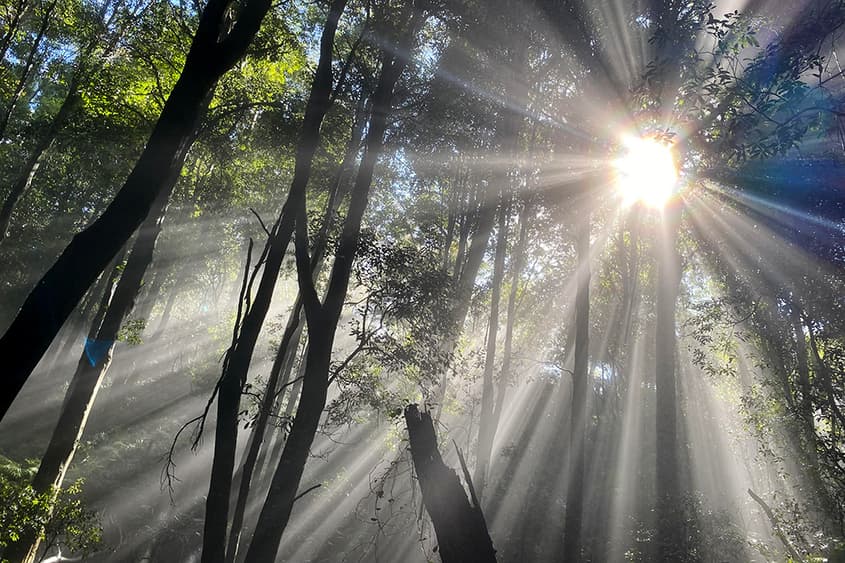
Photo: AAP Image/Lisa Martin


Humans are bad at valuing the things we are not good at. We bundle our strengths together and call them intelligence, then say that intelligence is the best thing to have. And we valorise sight above all the other senses. Hearing once meant much more to us, but we have pushed it to the periphery of our lives.
We write our stories instead of telling them, we converse in readable text. We block out the noises around us with headphones, walls and our own sonic blur.
Humans are quite proud of our ‘theory of mind’, that type of consciousness that recognises and predicts the thoughts of others and sees they can be different from our own; still, we seem to struggle to apply it to non-human minds.
Hayley Singer writes about the ‘collective human barricade’ we have thrown up against the pain and suffering of other animals, our inability (our refusal?) to ‘see sadness and pain or hear a cry of heartache’ because it is not expressed in what we consider a conscious way.
We fail to notice that for many of Earth’s other animals, sound is how they find one another, shape each other’s behaviour and pass on information. We do not care that sound is how they understand the texture of the world.
Owls use their whole face to funnel sound into their huge ear openings. With one ear higher than the other, they can use the difference in sound received to determine exactly where a noise is coming from.
While we hear a sound, figure out roughly where it’s coming from, then use our eyes to find what’s making it, owls do the whole job with their ears, pouncing on their prey with complete accuracy even in total darkness. ‘A great gray owl can pluck a lemming from within its snow-covered tunnel or accurately bust through the roof of a gopher burrow, solely by listening to the chewing or scurrying sounds coming from beneath the ground,’ Ed Yong writes.
The incredible hearing of owls may have influenced mice to only talk to one another in ultrasound peeps that travel short distances, like whispering when the teacher’s back is turned.
Scientists have long believed that humans were the only species that had conversations with one another, that only our brains were complex enough to control our vocal cords and mouth muscles to the necessary degree, but studies of the ultrasonic singing of Alston’s brown mice show that listening and responding are within other animals’ capabilities too.
We came up with the terms ‘infrasound’ and ‘ultra-sound’ to designate the parts of the sonic spectrum with frequencies above and below ‘normal’ sound (that is, sound humans can hear). Really, though, these are just sounds, and there are plenty of other creatures who use these bands to communicate.
In Sounds Wild and Broken, David George Haskell provides a visualisation (because humans like things they can see): ‘If my feet represent the lowest sounds heard by animals and the top of my head the highest, humans hear from just above the skin of my feet to the top of my hiking boots.’
Jane Rawson is a novelist, essayist and short story writer, and the Editorial Manager of Island Magazine.
This is an edited extract from Human/Nature: On life in a wild world by Jane Rawson (NewSouth, RRP $34.99). Available in stores nationally.
When INPEX Australia admitted it had under-reported benzene and toluene emissions from its Ichthys LNG facility by orders of magnitude, Territorians were told we were “lucky” nothing worse happened.

Environmentalists have accused the Albanese Government of making a “mockery” of Australia’s new nature laws, saying they’re “gobsmacked” by its decision to greenlight the destruction of threatened bird habitat in the Northern Territory.
A permanent ban on fracking is back on the agenda in Tasmania with the Tasmanian Greens planning to introduce a bill to ban the harmful practice in the opening days of parliament.

A leading conservation organisation has sounded the alarm over the ongoing destruction of critical black cockatoo habitat in Western Australia.