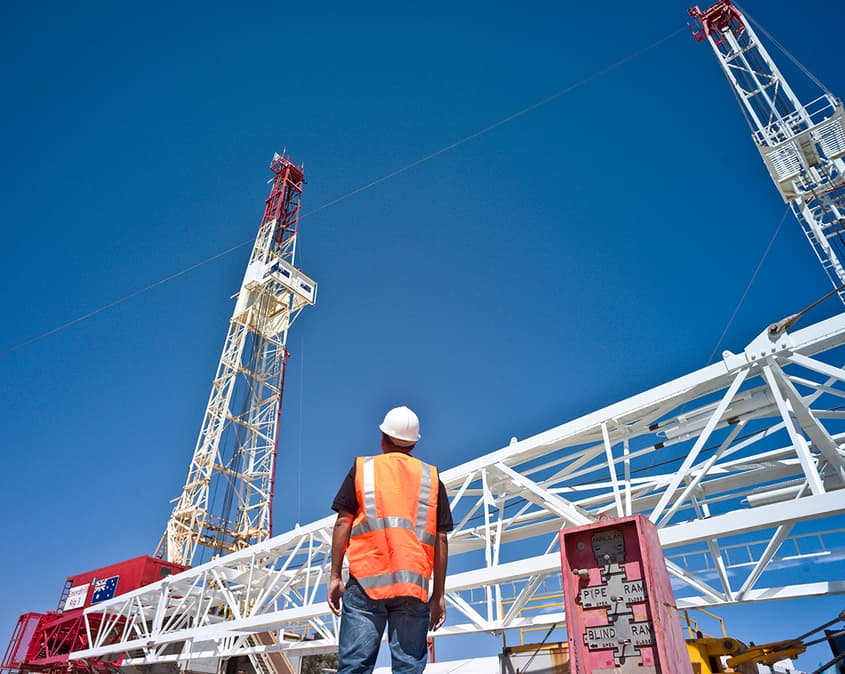
When INPEX Australia admitted it had under-reported benzene and toluene emissions from its Ichthys LNG facility by orders of magnitude, Territorians were told we were “lucky” nothing worse happened.

Thu 5 Mar 2026 01.00
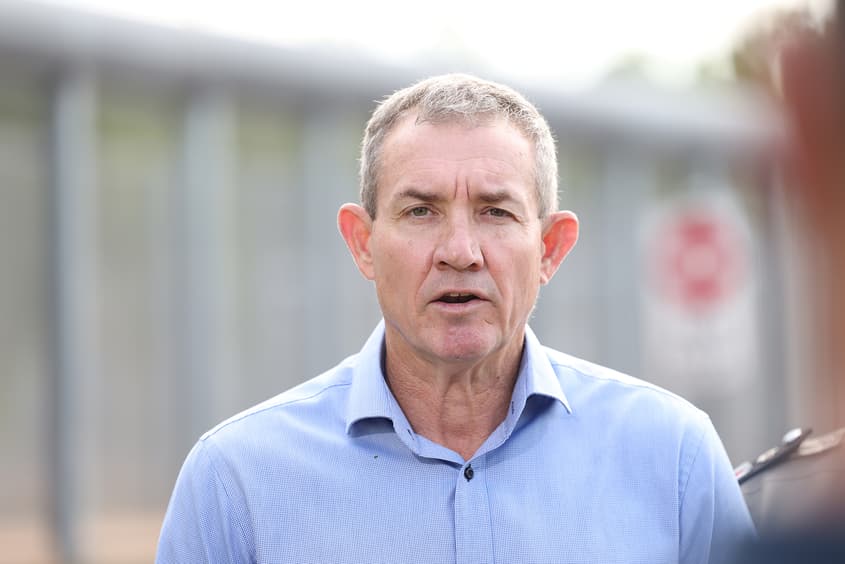
Photo: AAP Image/Amanda Parkinson


When INPEX Australia admitted it had under-reported benzene and toluene emissions from its Ichthys LNG facility by orders of magnitude, Territorians were told we were “lucky” nothing worse happened.
The Northern Territory Deputy Chief Minister’s response was stark: “imagine if it was a dangerous gas that was unreported. We’re lucky in this situation.”
That statement is as troubling as the reporting failure itself.
Benzene is a dangerous gas. It is a well-established carcinogen linked to leukaemia and other blood cancers. Toluene is a toxic volatile organic compound associated with neurological harm and developmental impacts. To describe a massive under-reporting of these substances as a matter of luck minimises the seriousness of the breach and the potential public health consequences.
For a senior government figure charged with safeguarding the community to frame systemic under-reporting of carcinogenic pollution as ‘lucky’ (it could have been worse?) is not reassuring. It is egregious.
It signals a tolerance for risk that no community should be asked to accept. Public health protection cannot hinge on whether something worse might have happened. The fact that toxic emissions were miscalculated by orders of magnitude is itself a grave failure.
What has since emerged deepens the concern.
Inpex’s emissions were underestimated due to compromised data reliability and systemic compliance failures. The air-shed modelling used in its human health risk assessment relied on company data now known to be flawed and likely significantly understated. Health conclusions were drawn from numbers that are unreliable.
The modelling was also incomplete. It focused on only one part of the facility, not the full operational footprint of a massive LNG plant. It did not properly account for cumulative impacts from other pollutants emitted onsite. It treated exposure in isolation, when communities experience combined and compounding pollution.
Even the so-called ‘worst case scenario’ was misrepresented. The assessment assumed both acid gas incinerators being offline was an extreme and unlikely event. In reality, both units were offline for much of 2022 to 2024. What was labelled improbable was, in practice, prolonged.
This is not a technical oversight. It means Darwin residents have never been provided with a comprehensive, independent and reliable assessment of what they have been breathing.
Public health experts have warned of the stakes. In its submission to the Senate inquiry into the proposed Middle Arm Industrial Precinct, the Public Health Association of Australia cautioned that expanding petrochemical and gas processing near Darwin would increase risks of cancer, respiratory disease, adverse pregnancy outcomes and developmental harm.
Darwin’s health system already lacks specialist services such as paediatric oncology. Any increase in pollution-related illness would have immediate and lasting consequences for families forced to seek care interstate.
Meanwhile, the Environment Centre NT has documented broader regulatory blind spots through its Fix the Leak campaign, revealing how methane leaks at Darwin LNG went unaddressed for years despite regulatory awareness.
Taken together, this is not simply a matter of sloppy compliance paperwork. It is about trust, competence and safety.
If a company can miscalculate carcinogenic emissions by orders of magnitude, serious questions arise about its operational oversight. How can an operator that fails to accurately measure toxic air pollution be relied upon to manage the complex safety risks of a large LNG and carbon dumping CCS hub? What other failures remain undiscovered? What other assumptions are built on flawed data?
For the sake of workers and Darwin residents alike, regulators must treat this as a red flag, not a public relations inconvenience. Licence conditions should be urgently strengthened. If compliance cannot be assured, suspension or revocation must be considered before harm occurs.
Darwin’s experience exposes the weakness of Australia’s fragmented air pollution laws. There is no standalone national Clean Air Act. Oversight is dispersed, reactive and often reliant on industry self-reporting.
If the Northern Territory and Commonwealth Governments were genuine about public safety and placing public health at the centre of industrial decision-making it would legislate a comprehensive Clean Air Act that:
A comprehensive health risk assessment informed by a full air-quality study of the entire Darwin air-shed should be the bare minimum. Anything less leaves the community dependent on flawed modelling and optimistic assurances.
Approving the Middle Arm Industrial Precinct without first fixing these systemic gaps would compound existing risks. The Stop Middle Arm Alliance and other community groups argue the precinct would entrench decades of increased pollution from LNG, petrochemicals and associated industries.
Expanding heavy industry in the absence of a robust Clean Air Act would not be development. It would be regulatory recklessness.
No community situated near an industrial port or hub should not have to rely on luck. Community members should not be reassured that things could have been worse. Clean air is not a bonus outcome when disasters are avoided. It is a fundamental right.
When dangerous pollution is under-reported, the response must not be relief. It must be accountability.
State and federal governments must legislate a Clean Air Act, and regulators must act decisively when corporations fail.
Because when it comes to carcinogenic emissions, calling it ‘luck’ is not just inadequate, it’s a dereliction of duty.
Advertisement

Environmentalists have accused the Albanese Government of making a “mockery” of Australia’s new nature laws, saying they’re “gobsmacked” by its decision to greenlight the destruction of threatened bird habitat in the Northern Territory.

A leading conservation organisation has sounded the alarm over the ongoing destruction of critical black cockatoo habitat in Western Australia.
Nothing in this world is certain but death, taxes, and the decommissioning of aging oil and gas infrastructure. An accelerated energy transition will accelerate asset retirements, but field decline is occurring regardless.