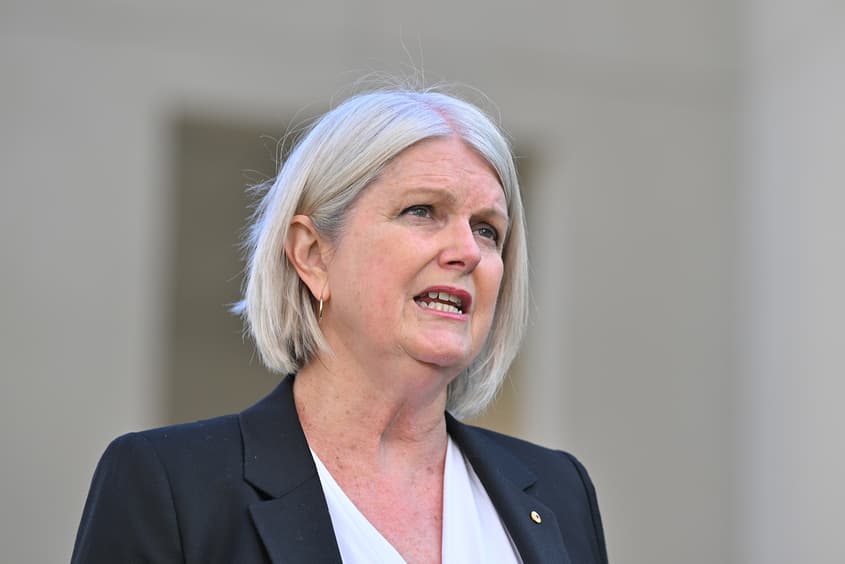
On 24 March 2020, Scott Morrison took an unprecedented step: at the drop of a hat, he made the activities people on some Centrelink payments are forced to do completely voluntary as the COVID crisis loomed. It was a change that not only protected the community, but one that brought massive relief.

Tue 31 Mar 2026 00.00

Photo: AAP Image/Dean Lewins


On 24 March 2020, Scott Morrison took an unprecedented step: at the drop of a hat, he made the activities people on some Centrelink payments are forced to do completely voluntary as the COVID crisis loomed.
It was a change that not only protected the community, but one that brought massive relief to those who were under constant pressure to keep up with welfare compliance requirements, from useless appointments to Work for the Dole and an endless stream of doomed-to-fail job applications, all in the face of job agency abuse. The requirements are supposedly intended to “help” people find a job.
That decision to stop compulsory activities, taken almost 6 years ago to the day, was coupled with a payment that doubled JobSeeker, lifting it to the poverty line. These were decisions that met the moment we were in.
Now we face another crisis that will cause widespread pain across the community. The main unemployment payment for a single person is only $409 a week, while the Henderson poverty line is $690. On top of the interest rate rises and relentless increases in rent and other living costs that have been building for years, the community has been slugged with a 27 per cent jump in fuel prices since Israel and the US embarked on a shameful war in West Asia. Predictions are telling us to get ready to pay more for petrol than we already are, and even the possibility of government-imposed rationing.
In reality, there are always rations when prices go up, whether the government makes a rule for it or not. It’s poor people who lose out because we’re the ones who can’t absorb the hikes. Some will be choosing between whether to use fuel for medical appointments, the school run, groceries, or the useless appointments and unpaid forced labour to keep their Centrelink payment.
While the Albanese government scrambles to resolve the tension between its support for US-Israeli aggression on the other side of the world and the war’s painful ripple effects already being felt at home, people in paid jobs are being told to work from home as a way of curbing demand for fuel.
So why are poor people expected to waste limited money and fuel to attend 5-minute appointments, or to work for free? It is even more senseless when at the same time, the RBA is cheering on unemployment, with Michelle Bullock openly saying those of us without paid work should have a harder time finding a job.
There are 946,000 people with compulsory activities who can have their payment stopped at any moment by a welfare cop if they’re not perceived to be sufficiently compliant, even when being bullied into activities that the rules say they don’t have to do. People on JobSeeker, Parenting Payment, Disability Support Pension and Youth Allowance are subjected to these activities. Each year, more than 2.5 million penalties are issued to people in the system by outsourced service providers that take billions of dollars in public money.
Too many decisions about welfare compliance are designed to prop up the (un)employment services industry known for unlawful punishment, abuse and forced unpaid labour at its worst and utterly useless training and appointments at its best. All while faced with the impossible task of stretching Centrelink payments that have fallen far behind what it costs to live.
The government is scrambling for ways to reduce fuel use and preserve our limited supplies during this global fuel crisis. Requiring welfare recipients to waste money and petrol on unnecessary meetings, and exploitative work for the dole programs, is nonsensical.
Poor people cannot afford to pay even higher prices for their own punishment. People on welfare must be free to make decisions about how to allocate fuel money between the things we need and the things we find useful. We must be supported with payments that enable us to live a decent life – during times of global turmoil, and always.
In response to this crisis, the Antipoverty Centre has called for an urgent increase to Centrelink payments to help people weather the storm. Last week, we wrote to the government requesting an intervention to stop welfare compliance penalties so that people who can’t afford higher fuel prices aren’t cut off their Centrelink payment and aren’t forced to forego other basics to attend activities. They haven’t bothered to respond, but yesterday in the Guardian, the employment department trotted out the same tired old line they always do when the system is operating unfairly: contact your provider.
This is a problem because providers have a habit of using discretion to cause harm, not to help people. In a recent investigation into the industry’s unlawful use of penalties, the Commonwealth Ombudsman agreed.
We know the system is full of abuse. We know people are routinely pressured into inappropriate activities, or have their needs and circumstances ignored – and the government knows it too.
Right now, there are millions of people in this country who need the government to step in – to prevent price gouging, to provide financial aid to people struggling with high living costs, and to make sure essential goods and services are not disrupted.
But there should be no higher priority than protecting the people hit hardest by price shocks amid an unpredictable global crisis.
The Albanese government must make decisions that meet the moment we are in: stop forcing poor people to do compulsory activities and increase Centrelink payments to at least the Henderson poverty line.
Kristin O’Connell is a disability support pension recipient and antipoverty activist with the Antipoverty Centre.
Advertisement
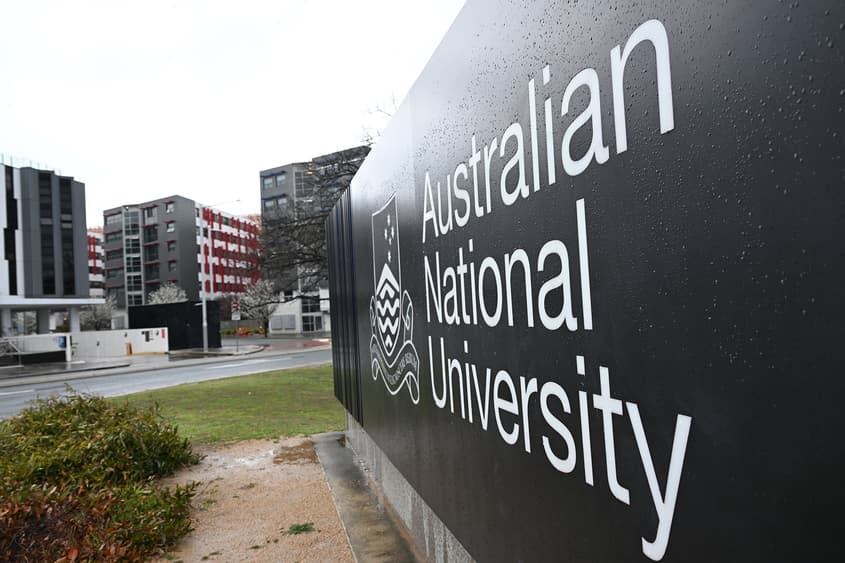
The Australian National University (ANU) has spent the past eighteen months in a state of rolling crisis. The headline issues are now familiar. In October 2024, a large projected deficit was announced to staff. This was followed in 2025 by 'Renew ANU', a sweeping cost-cutting program that has reportedly seen over 1,000 staff leave the University.

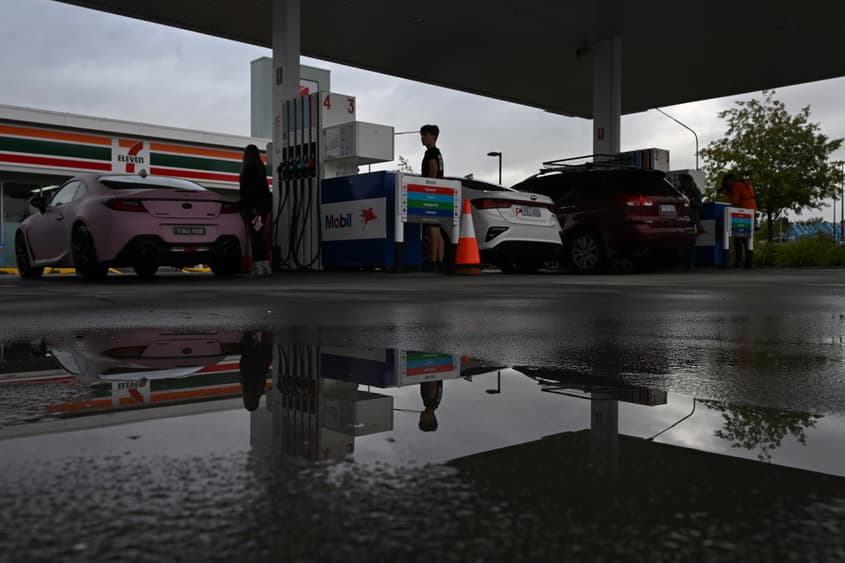
The oil crisis has not only caused petrol prices to soar, it has revealed just how little competition there is among the big oil companies. A couple weeks ago the ACCC announced that it would be looking into uncompetitive behaviour by petrol companies in the rural areas.
Australia’s peak council for community services ACOSS has joined the torrent of support including the Greens and independent members of parliament for a 25% levy on gas exports, originally proposed by the ACTU.