On March 25th, 2026, a Los Angeles jury handed down a world-first decision, holding Meta, (who own Instagram and Facebook), and YouTube (owned by Google), liable for intentionally building addictive social media platforms.
Tue 31 Mar 2026 00.00
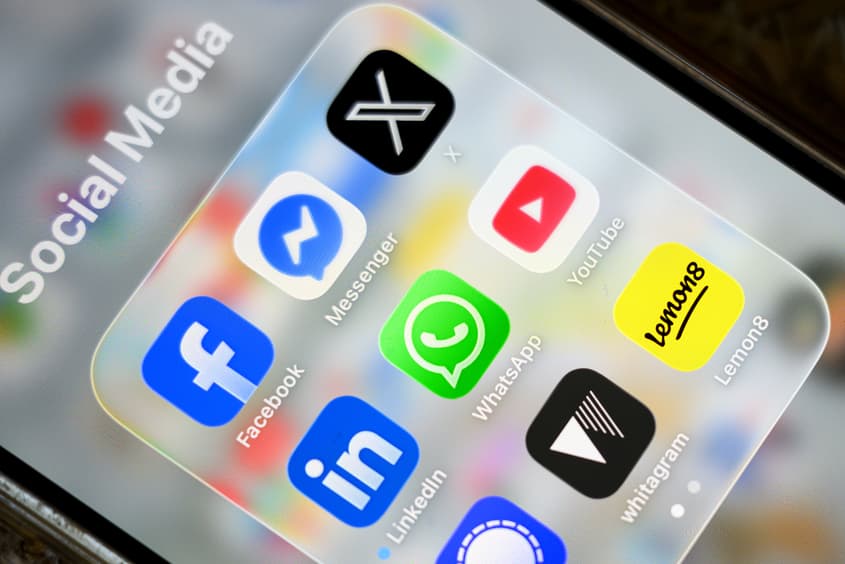
Photo: AAP Image


On March 25th, 2026, a Los Angeles jury handed down a world-first decision, holding Meta, (who own Instagram and Facebook), and YouTube (owned by Google), liable for intentionally building addictive social media platforms.
The day before the LA jury’s decision, a jury in New Mexico found Meta liable for endangering children by exposing them to sexually explicit material and sexual predators.
The case in LA was brought by a 20-year-old plaintiff, named KMG in the proceedings, who alleged that her addiction to YouTube and Instagram, which began at ages 6 and 9, respectively, negatively affected her wellbeing.
KMG holds Meta and YouTube liable for the depression, self-harm, and strained relationship with her family at age 10, as well as her diagnosis with body dysmorphic disorder and social phobia at age 13.
She says features of Instagram and YouTube, such as an infinitely scrollable feed and video autoplay, are designed to keep people on these apps and have made them addictive.
Research presented at a roundtable in September 2023 by the Melbourne School of Psychological Sciences found that for those currently diagnosed with an eating disorder, it was 4,137% and 322% more likely that the next video delivered to you by the TikTok algorithm would be eating disorder-related or diet-related, respectively.
Jurors found that Meta and Google “acted with malice, oppression, or fraud” in operating their platforms, awarding Kaley $6 million in damages ($3 million in compensatory damages and $3 million in punitive damages). Meta and Google said they disagreed with the verdict and intended to appeal.
As someone who has lived experience with an eating disorder, this case felt like a step in the right direction.
Social media has been a double-edged sword throughout my recovery. While in the depths of my eating disorder, the content consuming my feed, such as “what I eat in a day” and gym workout videos, made me feel like I would never get out of the rabbit hole I had fallen into at 14. No matter how many times I hit the “not interested” button or headed into my settings to block out words, the dieting content was lurking everywhere.
However, as a second-generation Indian Australian, social media gave me the language and steps to start recovery and advocate for myself when cultural stigma and health care professionals were barriers to seeking treatment. It was the only place I could hear about other experiences with recovery and put a name to my symptoms.
I know I am not alone in this bittersweet experience with social media, with 73% of young people finding that social media is a tool for mental health support.
Given this, the Albanese government’s enactment of a social media ban for children under 16 becomes a tool that deprives young people of the online supports they need at a time when the cost of mental health support is rising alongside a 20% increase in the number of Australians experiencing an eating disorder since 2007.
However, Associate Professor Dr M Bromberg at the University of Western Australia, an expert in body image law, says the developments by governments and litigation worldwide give her hope.
Bromberg says the LA jury’s finding is the first time she has seen a decision “made against social media when it comes to addiction for young people, when it comes to social media contributing to eating disorders.”
However, she notes that “so much more needs to be done”, such as public education, rather than “just legal action, to actually protect people, particularly young people, from the harms of social media.”
As a young person who experienced the benefits and negatives of social media, what is clear to me is that when social media companies are platforming addictive and dangerous content, the solution is not to disempower children by banning them from a tool used for mental health support, but to take a stand against these companies.
For Susan Rossell, the Professor of Eating Disorders at the Inside Out Institute, the social media ban is only a start and does not go far enough. Rossell says that to ensure people are able to seek supportive social media content we “need to think of clever ways to make sure it is moderated but also to make sure that people are educated.”
Rossell says that the LA jury’s finding highlights the importance of protecting people of all ages from social media harms.
“We need alternative solutions and one of them would straight away be the public education, about the addictive nature [of these platforms].”
Public education needs to cover a wide age range, she adds.
“I see people, just a little bit older than me, being left behind, because they didn’t grow up with mobile phones and they didn’t grow up with social media,” Russell says.
“This is a quite extensive public health strategy that needs to be implemented.”
What we know is the government is aware of alternative solutions. In 2025, the National Taskforce for Social Media, Body Image, and Eating Disorders (composed of leading specialists from the body image and eating disorder sectors), put forth recommendations to address the harms of social media use on body image and eating disorder risk. The recommendations include removing pro-eating disorder and cyberbullying content, social media companies being transparent about their algorithms, undergoing risk audits, and raising awareness about the platform’s available tools to reset user’s algorithms and/or shield their accounts from specific content.
While the growing scrutiny of these social media conglomerates is positive, we need to see the Albanese government take the courage to stand up for young people and the Australian community, rather than offering band-aid solutions that fail to rid the platforms of the dangerous content and addictive features that cause harm.
Varsha Yajman is a lawyer, writer and advocate discussing the intersection across topics like climate justice, mental health and race
Advertisement
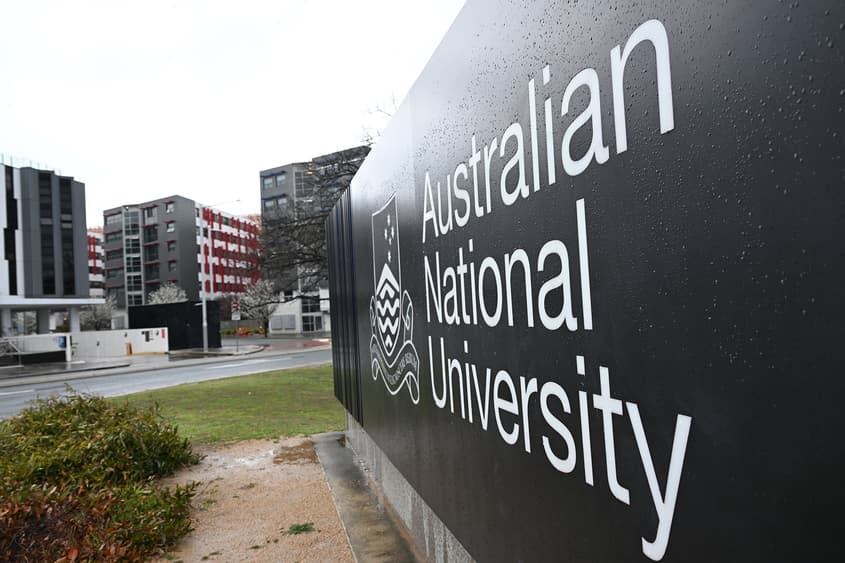
The Australian National University (ANU) has spent the past eighteen months in a state of rolling crisis. The headline issues are now familiar. In October 2024, a large projected deficit was announced to staff. This was followed in 2025 by 'Renew ANU', a sweeping cost-cutting program that has reportedly seen over 1,000 staff leave the University.
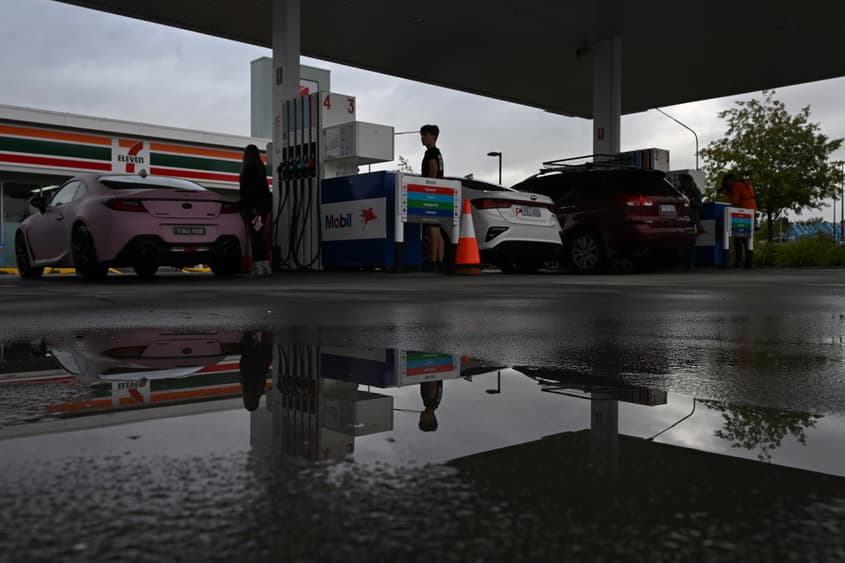
The oil crisis has not only caused petrol prices to soar, it has revealed just how little competition there is among the big oil companies. A couple weeks ago the ACCC announced that it would be looking into uncompetitive behaviour by petrol companies in the rural areas.
Australia’s peak council for community services ACOSS has joined the torrent of support including the Greens and independent members of parliament for a 25% levy on gas exports, originally proposed by the ACTU.