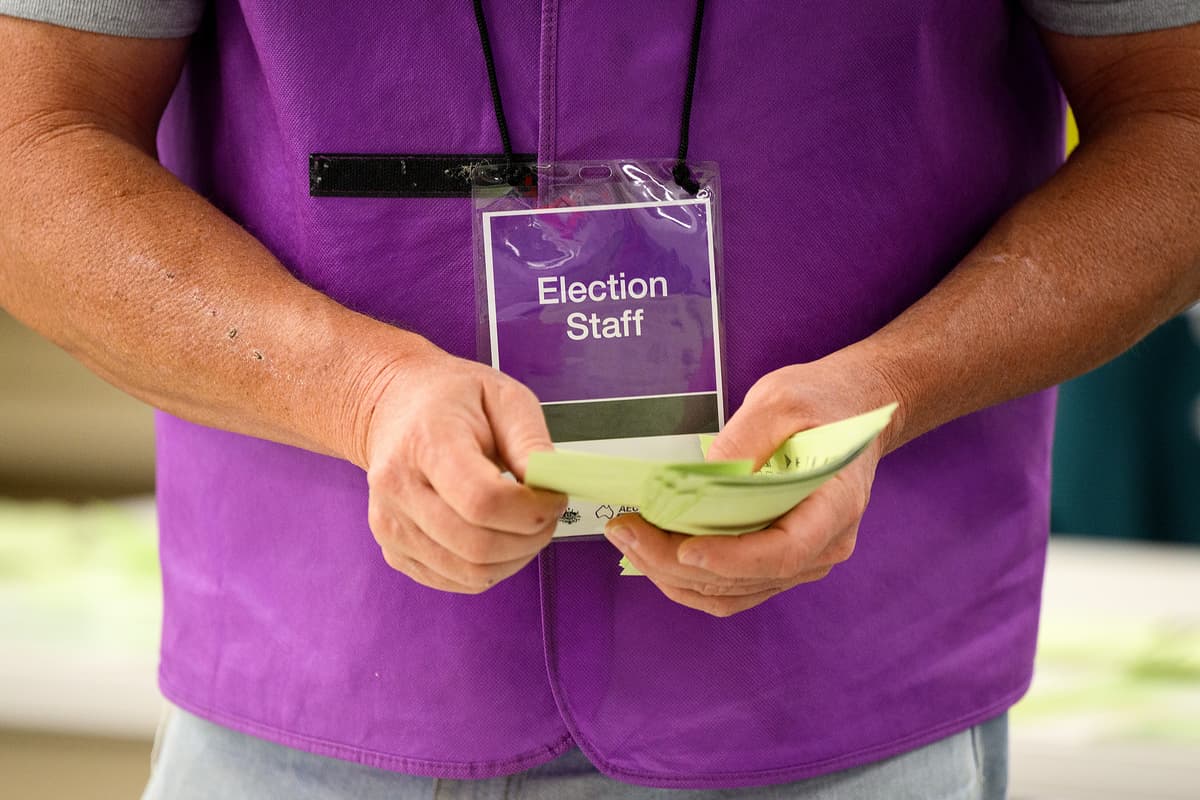
Who spent big in Canberra’s last election – and how proposed changes would hurt newcomers
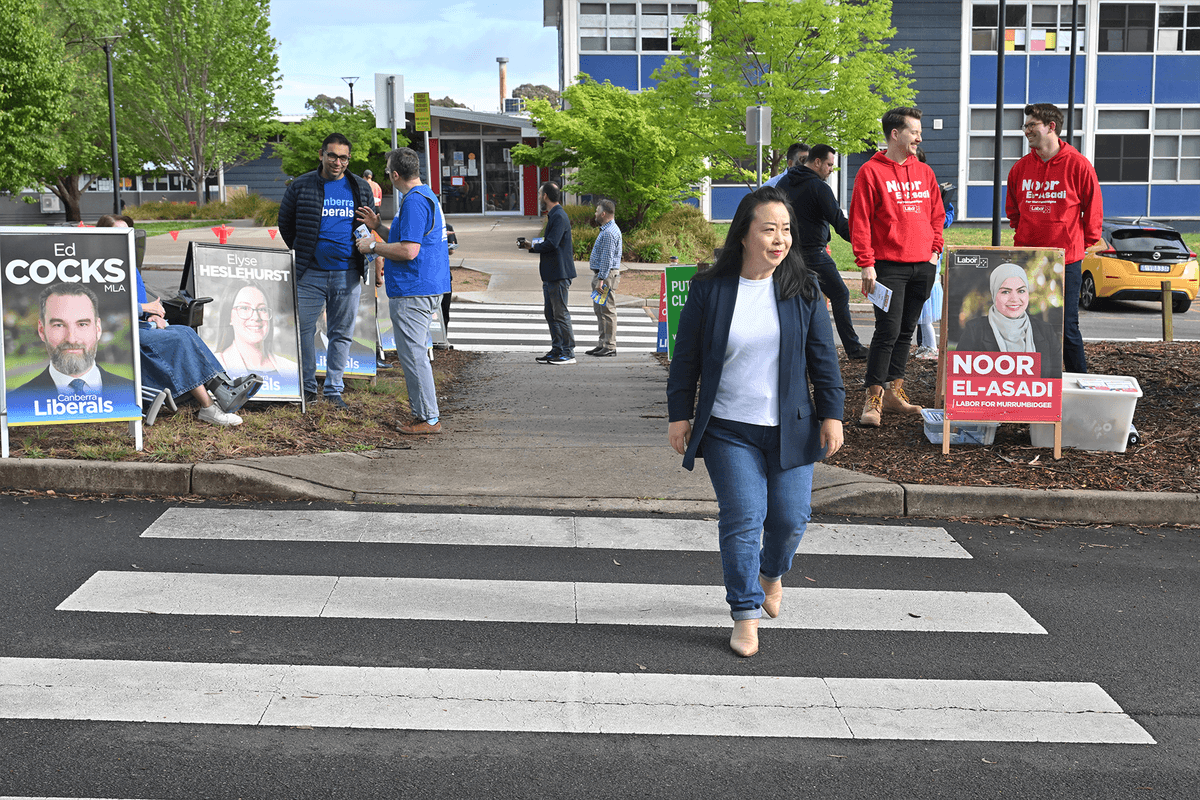
Could big spending explain the success of the independents at the ACT election? New data from the ACT Electoral Commission shows this isn't the case.
There is a running theme among Anthony Albanese’s missteps. His latest, appearing in an interview on Hobart radio to dismiss calls for a royal commission into femicide and violence against women follows the pattern – the Prime Minister gets frustrated when the public’s agenda is broader than his own.

Thu 21 May 2026 09.38 AEST
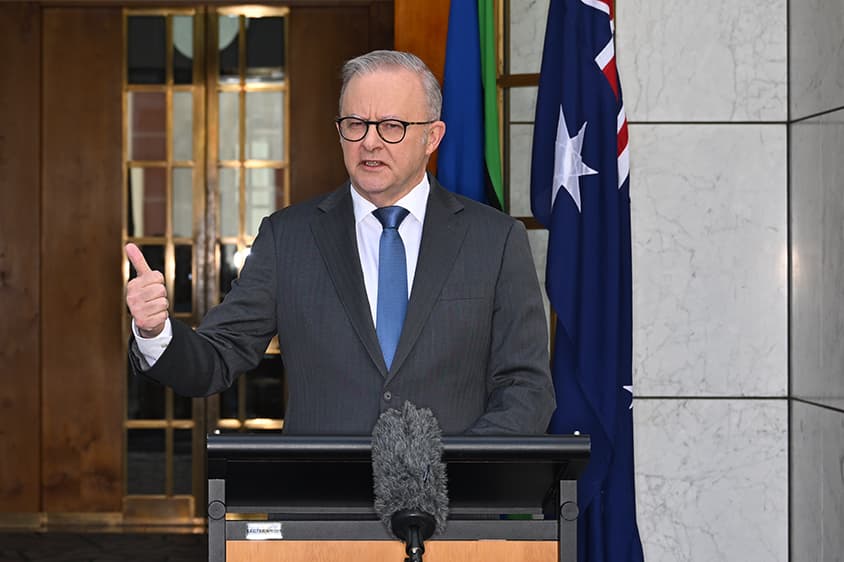
Photo: AAP Image/Lukas Coch
There is a running theme among Anthony Albanese’s missteps. His latest, appearing in an interview on Hobart radio to dismiss calls for a royal commission into femicide and violence against women follows the pattern – the Prime Minister gets frustrated when the public’s agenda is broader than his own.
This has followed him into government. Albanese has spent his entire adult life in politics. He’s learnt to keep a lid on the emotional responses that previously caused him personal grief, and to put a primacy on stability and steadiness above all else.
The lessons of the Rudd-Gillard-Rudd era and how quickly that came undone were compounded by the 2019 Labor election loss.
The pandemic changed how he approached politics. In those early months of uncertainty, Labor under Albanese became about finding consensus and presenting, as much as possible, a united front. Albanese is particularly proud of that period and often uses it as an example when contrasting with the opposition’s approach to things he sees as important to the nation, such as foreign relations.
In 2021 he was involved in a car crash where he believed he was going to die. Post 2021, Albanese shed weight, changed his lifestyle, and refocused his ambition. His drive? Changing the country. And he truly wants to do that. But he also truly believes that to be successful, it has to be incremental. Slow, steady, stable.
The problem is, we are not in slow, steady or stable times. Albanese’s middle-of-the-road approach, as Labor morphs into the centre-right Liberal Party Menzies built (in that, it is not alone – centre left parties in Western democracies have found themselves the defenders of traditional conservatism, and in doing so are watching voters leech further to the right), belongs in another world.
One where inequality hasn’t torn at the social fabric so hard it created a chasm between the haves and have-nots. One where inflation isn’t driving people into second and third jobs as the Reserve Bank does its best to make more of them unemployed. One where having stable housing isn’t a marker of relative wealth, luck, and understanding how to work the system. One where the world isn’t on fire, and people just want hope.
The social contract in Australia is broken. Racism is on the rise. Hate is on the rise. Rage is bubbling over. And people want answers. The problem for Albanese, is that the answers he is giving them are not going far enough.
It’s no secret within Labor ranks that the Prime Minister is a bit miffed he has not received credit for securing Australia fuel stocks in the midst of this latest fossil fuel crisis.

Albanese’s softly-softly approach isn’t right for these turbulent times. Photo: Mike Bowers
Albanese has always been on his firmest footing when able to throw back to heroes like John Curtin and Ben Chifley. He approached the looming fuel shortages as a wartime prime minister, spending diplomatic credit and leaning on relationships he had the foreign service begin rebuilding from the moment the polls became clear in 2022.
But you don’t get cookies for saving people from something they didn’t experience. And in a time ruled by rolling crises, where the waves of misery continue to crash, the general attitude to being given a reprieve from one world-changing event, is “thanks – what else do you have?”.
Albanese isn’t wrong that a royal commission into femicide won’t solve one of Australia’s most horrifying issues. Royal commissions often end up doing the work of the public service and ministers in investigating and interrogating information they should have had at hand.
Advocates who point to the mountains of answers we already have, and haven’t enacted, and to the cost that could be better spent on frontline services, are also not wrong. Speak to any Indigenous advocate about how much a royal commission can actually change, when governments aren’t willing.
But what Albanese failed to consider is that a lot of people who have experienced violence, or are living it, want to be able to tell their story. They want the national attention and focus and to see something being done.
Albanese’s style of government is for small changes, done over time. But the people living under it don’t have time for that. They want things to change.
Albanese’s stumbles – from calling Grace Tame difficult and David Pocock a populist, to pushing back against a royal commission following Bondi (for much the same reasons as here), to dragging his feet on gambling reform and doing only the bare minimum when absolutely pushed, to feeling miffed securing fuel supplies and announcing a domestic gas reservation haven’t quelled demands for a gas export tax, to not pushing back hard enough against the misinformation and disinformation surrounding the Indigenous Voice – all of it comes back to the root cause that he gets uncomfortable, and defensive, when he’s asked for a bigger, and braver agenda.
And the more defensive he gets, the more he freezes in place, which means he doesn’t use the tools already at his disposal to improve things (like releasing funds and following existing recommendations for how to address violence against women) or lean into the demand – in this case, a royal commission. He just tries to keep things as they are, which is, more often than not, the worst thing to do.
It looks like he gets dragged into doing something, when he could lead. Freezing in place and slow and steady might work when things are normal. But this is not normal.
Leading in these times means reaching further than you may have anticipated. The numbers all point to Albanese getting his third term, and his 10-year plan is within reach. But again, what is the point of it, if it’s spent doing all the same things?
Amy Remeikis is a contributing editor for The New Daily and chief political analyst for The Australia Institute
This article was first published on The New Daily.
Advertisement
Could big spending explain the success of the independents at the ACT election? New data from the ACT Electoral Commission shows this isn't the case.
The Australian Electoral Commission (AEC) has been urged to rethink plans that could shut or merge about one third of its divisional offices, with a union warning the loss of local expertise could disrupt future elections.