How dodgy offsets turn Australia’s Safeguard Mechanism into a money spinner for polluters
Despite years of increased public awareness around the scam that is carbon offsetting, there are still many, many surprises to be had. One of the most recent has been the jarring concept of ‘koala offsets’. The idea behind this, as shown in Australia Institute research, is that the act of protecting koala habitat in New South Wales allows the generation of one ‘carbon offset’, a certificate that can be bought by a polluter to claim they’ve undone their emissions.
The only reason a country needs to create more ‘carbon offsets’ is because it expects to fail to decarbonise. Which is why the Greens are about to face a decision that has less to do with technical detail and everything to do with who they are.
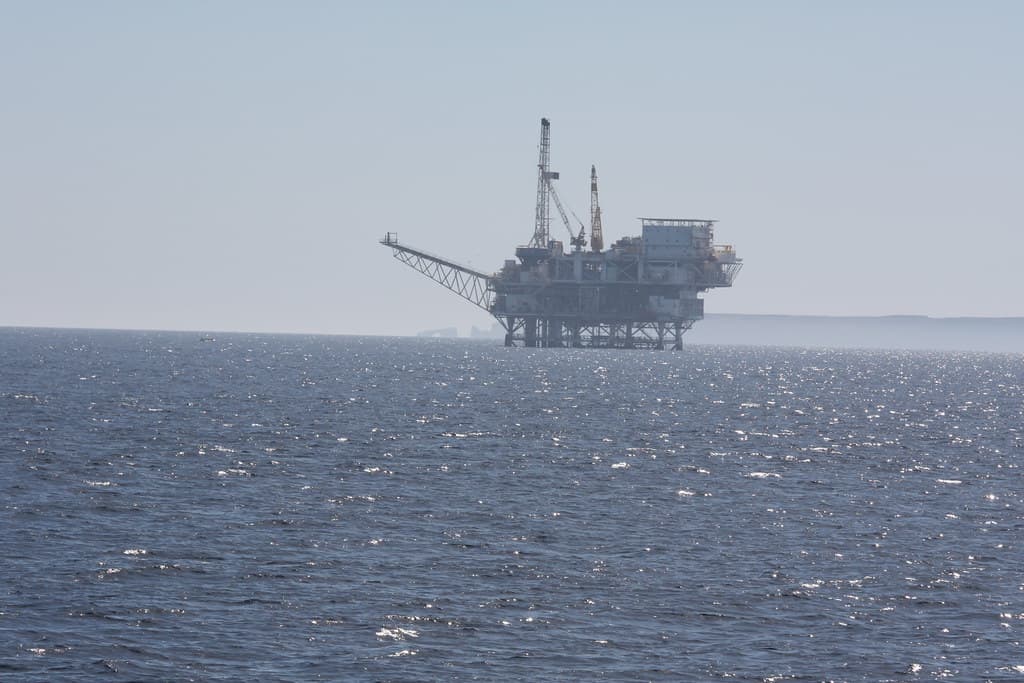
The Reindeer gas field off Western Australia has stopped producing, but its platform, wells and 43 kilometres of offshore pipeline remain in place. The physical clean-up has been pushed into the future, along with the question of whether enough money is already secured to pay for it. That is a worker's issue.
Crossbench MPs and environmental groups have warned Australian taxpayers could be left exposed to billions of dollars in offshore oil and gas decommissioning costs unless Australia’s petroleum laws are urgently reformed.
A bitter battle over fracking is brewing in South Australia, with a consortium of community groups and councils imploring Premier Peter Malinauskas to abandon plans to lift a decade-long ban in the state’s South East two years early.
Despite years of increased public awareness around the scam that is carbon offsetting, there are still many, many surprises to be had. One of the most recent has been the jarring concept of ‘koala offsets’. The idea behind this, as shown in Australia Institute research, is that the act of protecting koala habitat in New South Wales allows the generation of one ‘carbon offset’, a certificate that can be bought by a polluter to claim they’ve undone their emissions.
To most people it’s clearly absurd. As TAI research shows, “Australians overwhelmingly (82%) say that governments have an obligation to protect koala habitats (3% think governments have this obligation only if they are paid to do so)”.
Dodgy offsets exist in many ways, in many different corners of Australia’s various climate policies. After the dissolution of the shockingly dodgy ‘Climate Active’ voluntary scheme, dodgy offsets have shifted into mandatory regulations, deep in Australia’s biggest climate policy. And we’re constantly finding new surprises.
A Titanic carbon offset scam
If you aren’t familiar with the Prelude Floating LNG ship, here’s a summary: it’s big. It is, Naru Research analyst Tim Baxter told me, the single largest floating object on the planet. It’s about 10x the size of the Titanic.
The sheer bulk of this thing is important, because I think it’s the single most significant technological testament to the mind-blowing absurdity of fossil fuels. Instead of the elegant simplicity of capturing sun and wind, fossil fuels require obscene mega-projects that themselves consume massive amounts of fossil fuels to run; ridden with risk and a million single points of failure.
That alone is bad enough. But in an interview with Tim about his fascinating report, I learned how he combined ship tracking data to uncover tens of millions of dollars worth of ill-earned dodgy offset credits at Shell’s ‘Prelude’ floating LNG facility.
In short, a series of damned-near-catastrophic and dangerous failures during the site’s startup process meant it was offline for long stretches. The project’s ‘emissions intensity’ is measured by dividing whatever was emitted over whatever was produced during that period. If there are shutdowns and failures, you will have high operational emissions for very little product: a high emissions ‘intensity’.
Under Australia’s Safeguard Mechanism, which we’ve been critiquing in a series here at The Australia Institute, facilities see their emissions target set relative to their own ‘emissions intensity’. In this site’s case, that intensity was measured when the site was undergoing a series of massive failures, resulting in an absurdly high emissions intensity target; well above their normal operation, and the emissions intensity of anyone else.
Get our newsletter
Quality research, analysis, explainers and factchecks from experts you can trust.
Tim used ship tracking data to actually determine what the site’s real production is (data you can’t find anywhere). Because the site’s production has remained very low, Prelude’s emissions are way, way below the project’s target (for FY25, emissions are nearly half of their target!). And because they’re below their target, they get rewarded for this ‘achievement’ by the granting of a special carbon offset that can only be traded within this climate policy scheme (eg: another facility that’s above their target can buy these offsets to comply).
This is a very shocking story, but Prelude is not unique in the Safeguard Mechanism.
Of the more than 6 million special offsets (‘safeguard mechanism credits’) granted to facilities in FY25, one third went to fossil fuel projects that saw rising emissions between the two years. The Carmichael Coal Mine saw a 10% rise in emission between the years, and was granted about $10m worth of credits in FY25. Bulga coal mine saw an 11% rise, and was granted about $3m worth in these offset rewards.
In total, 11 fossil fuel companies that saw rising emissions between FY24 and 25 earned $136m worth of credits over those two years. On average, their emissions rose 14%, and Shell’s Prelude facility earned three quarters of this total.
Dodgy offsets are a windfall for the worst polluters. What needs to happen now is the adoption of the ‘Minns Principle’ across Safeguard: NSW Premier Chris Minn’s suggestion that carbon offsets at least shouldn’t be allowed for purchase by the high-polluting fossil fuel companies. It would be an excellent start.
This truly cannot be allowed to continue. Fossil fuel companies being rewarded for rising emissions was exactly what we warned about, and it’s so much worse than expected.
The Australian government has now formally launched its review of the Safeguard Mechanism, with submissions due 18 September. It’ll be an important chance to fight back against these very shocking loopholes.
How dodgy offsets turn Australia’s Safeguard Mechanism into a money spinner for polluters | The Point