The COP31 Presidency released the first draft of its cover decision on Monday night, Australia time. It runs to 18 pages and 144 paragraphs. A Presidency note says it is “not intended to reflect consensus”, and that it’s a divergent shopping list of priorities. Much of it will not survive, but it is worth noting for signs of ambition.

Tue 17 Nov 2026 12.50 AEDT
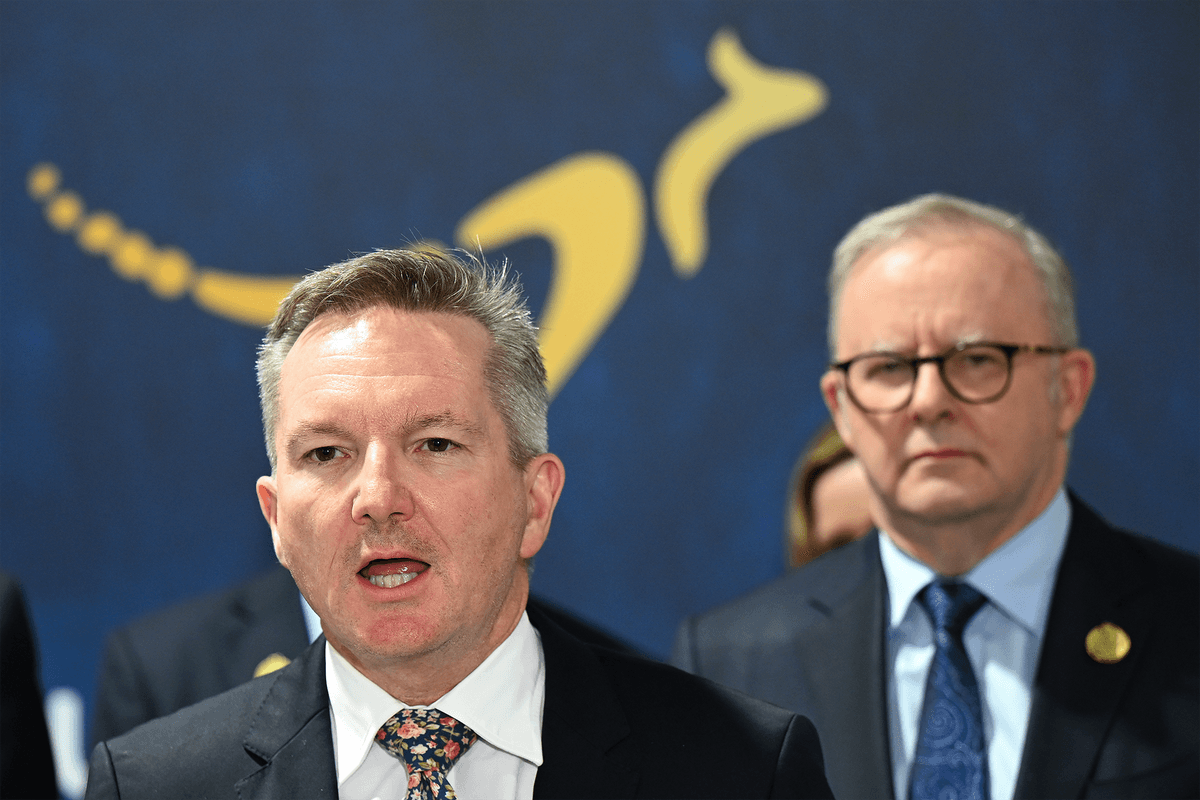
Photo: AAP Image/Lukas Coch


The COP31 Presidency released the first draft of its cover decision on Monday night, Australia time. It runs to 18 pages and 144 paragraphs. A Presidency note says it is “not intended to reflect consensus”, and that it’s a divergent shopping list of priorities. Much of it will not survive, but it is worth noting for signs of ambition.
It reaffirms the Dubai call for a transition away from fossil fuels. And it goes further, calling for “accelerated action to phase out fossil fuels, including through the immediate transition away from fossil fuels in energy systems.” Explicit fossil fuel language was left out at COP29 and COP30 and was absent from the Leaders’ Agenda at the opening of COP31 after petrostates blocked the wording. Credit where it is due.
But look at Bowen’s answers to journalists. Asked about the reality of whittling the text down, he said elements without consensus support “won’t be in the final”. Asked by AFP whether the fossil fuel language will stay, he said: “Will it look exactly like it does in the draft? No.”
Tzeporah Berman of the Fossil Fuel Treaty said the fossil fuel mention “will last about 2 minutes and they know it”. While countries, including Russia and the Arab Group, claim there is no mandate for such a cover decision.
That is the trap of consensus. One government can delete what 150 want.
Paragraph 50 carries Türkiye and Australia’s goal of 35 per cent electrification by 2035. Bowen says electrification is part of moving off fossil fuels, and that you cannot keep 1.5 alive without it. He is right. But the draft says electrification “can provide co-benefits regardless of the electricity mix”.
This does not rule out fossil fuel electricity. Electrons from coal and gas are not a transition.
Then comes the part that should alarm everyone. Paragraph 59 “welcomes” efforts to urgently scale up carbon capture, utilisation and storage (CCUS and CCS) and carbon dioxide removal. Paragraph 60 calls for at least 500 million tonnes of CCUS by 2035, working towards 1.3 to 2.5 gigatonnes a year.
This is the technology with the worst failure rate, and arguably the most expensive and subsidy-reliant track record in climate policy.
The Australia Institute’s analysis of CCS shows Gorgon, the world’s biggest dedicated project, has met only a third of its capture target. Santos’s Moomba captures just 4 per cent of the company’s emissions. CCS dodgy carbon offsets are then used to make facilities like Woodside’s Northwest Shelf look compliant on paper. In Australia, fossil fuel companies have used more than two-thirds of the carbon offsets surrendered under the Safeguard Mechanism.
Paragraph 58 says removals must not substitute for deep cuts, yet paragraph 139 praises “high-integrity” carbon trading markets. That is the offsets playbook in UN language. And the UN’s own experts are not buying it.
Quality research, analysis, explainers and factchecks from experts you can trust.
In a new report, the UN Special Rapporteur on climate change, Elisa Morgera, finds “serious doubt” about whether international carbon credit markets deliver real mitigation. She says the biggest beneficiaries are actors with a vested interest in a fossil fuel economy. Credits, she says, cannot “assist or benefit climate-harming economic actors”, particularly those engaged in disinformation and obstruction. Her call is for an urgent reassessment under the International Court of Justice’s advisory opinion on climate obligations.
Net zero is cooking the books and climate. Real zero keeps 1.5C within reach.
Paragraph 140 only welcomes Brazil’s fossil fuel roadmap as “voluntary, facilitative, non-prescriptive”, and paragraph 46 says none of this creates obligations for individual countries. So, the draft’s best lines are, at best, a maybe.
There is a vehicle for a meaningful fossil fuel phase-out roadmap, and it sits outside the COP consensus trap.
At Santa Marta in April, 57 countries attended the first Transition Away from Fossil Fuels (TAFF) conference. No Russian veto, no Saudi blocks. Tuvalu and Ireland will host the second TAFF conference in 2027.
Pacific nations are taking the lead. Tuvalu Climate Minister, Maina Talia, says 1.5 C action means “literally discussing the phasing out of fossil fuels”. Vanuatu’s Ralph Regenvanu says the least a fossil fuel producer like Australia should do is stop expanding. Palau’s President Surangel Whipps Jr backed a roadmap with clear targets, timelines and trajectories.
Paragraph 25 says developed countries should take the lead. That’s us!
Australia is the third-largest fossil fuel exporter in the world, with 38 new or expanded coal, oil and gas approvals since 2022 and $16.3 billion a year in fossil fuel subsidies. Leading starts with a roadmap. The Australia Institute’s analysis shows it begins with no new approvals, a phase-out timeline, fair taxes (including a 25% export gas tax) and an end to subsidies.
Then join the Fossil Fuel Treaty Initiative, an alliance of nations and civil society building a binding legal instrument to phase out coal, oil and gas. Eighteen countries have endorsed it. Australia is not (yet)one of them.
COP meetings are rightly called ‘talk fests’. The answer is a coalition of doers going into the TAFF conference next year, with timelines and accountability.
Louise Morris is Head of Fossil Fuel Transition at The Australia Institute.

