In Q4 2024, the average wholesale earnings [RC5] of batteries discharging was higher than gas. In Q4 2025, that has flipped.
Wed 11 Feb 2026 01.00
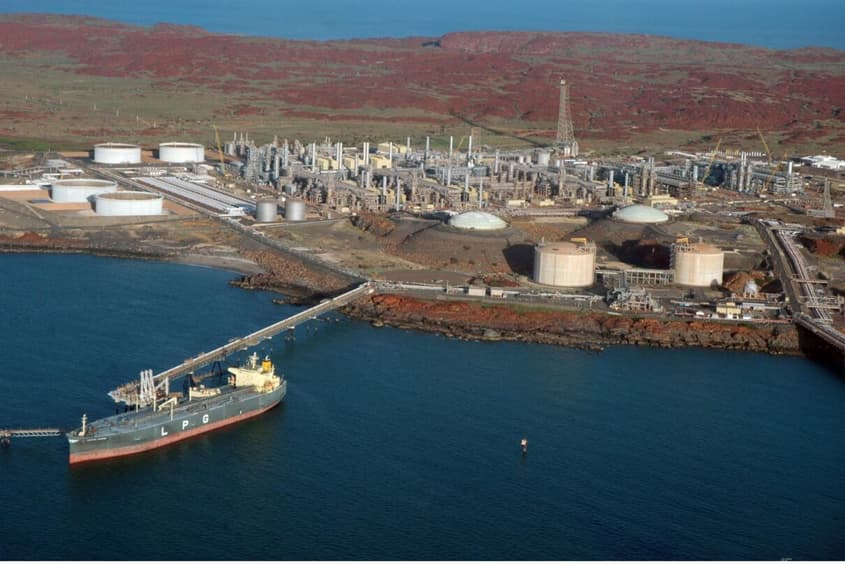
Image: AAP/Rebecca Le May


I’ve previously written about how batteries are displacing gas in Australia’s electricity system. Here, I continue by looking at why this is not only good news for the climate, but also for household bills.
In Q4 2024, the average wholesale earnings [RC5] of batteries discharging was higher than gas. In Q4 2025, that has flipped.
A report by AEMO shows that gas now spends a lower percentage of the time “setting” the price of electricity (that is: being the final bidder in the real-time electricity auctions that the system relies on. The final bidder wins the right to set the broad price for that interval).
This has the effect of directly bringing down the price everybody pays for electricity, simply because gas has been so cripplingly expensive, and that expense has been the primary driver of rising electricity prices over the past few years (particularly in the aftermath of Russia’s invasion of Ukraine).
The grid operator agrees: “Increased wind generation and battery discharge, particularly in the evening peaks, reduced reliance on gas and hydro generation in those periods……[this contributed] to lower average prices and the reduced incidence of high-priced intervals”
It’s the same story in Western Australia, where: “greater renewable and storage output continued to place downward pressure on wholesale energy prices….contributing to a 13 per cent fall to $69.55/MWh”.
This effect will likely ease in winter as solar power generation dips, but the long-term trend over the coming years will very likely be a continuation of this trend. It’s also worth noting that running a battery is good for business, with the net revenue for battery systems in the NEM hitting $357 million in 2025 (compared to $234 million in 2024).
The case for gas as a “bridge fuel” was always bullshit, but it has been dealt a mortal blow. Unfortunately, gas-fired power is not the only generator on the grid.
While Q4 2025 saw record lows for both coal and gas, the longer-term trend over the past few years has generally been underperformance of reductions in coal and gas compared to recent projections from the government. While it is great to see the first quarter of greater than 50% non-fossil energy on the NEM, that was forecast to happen years ago, and the delay has caused a substantial volume of greenhouse gas emissions to be dumped into the atmosphere.
Australia is entering into a pattern of repeated disastrous extensions to coal-fired power, and it is unlikely more batteries are going to solve this one. The only way out is increasing the bulk supply of raw electrical energy from wind and solar at a scale far greater than has been seen over the past few years. The uncontrolled expansion of demand from new data centres has definitely played a role in helping prolong coal, too.
Batteries alone will not fully replace gas, let alone coal. Doing that, and achieving the goal of an updated, safe and modern power grid suited for this century rather than the last one is going to need deeper policy change.
The claim is true. Japanese companies are on-selling a lot of Australian LNG and making a lot of profit while doing it.
Advertisement

Right now, right across the country, communities are being forced to come to terms with the rapidly escalating frequency, intensity and cost of climate disasters.

The Albanese Government is quietly exploring options for a new tax on gas and coal giants reaping windfall profits from the war in the Middle East.