Today, the Albanese Government pulled its “friendless” Freedom of Information Amendment Bill.
Thu 5 Mar 2026 12.00
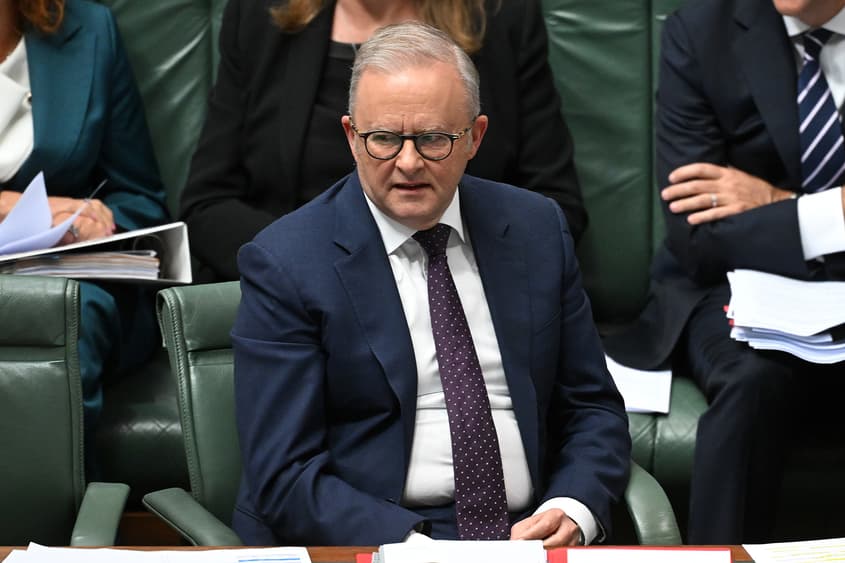
Photo: AAP Image/Lukas Coch


Today, the Albanese Government pulled its ‘friendless’ Freedom of Information Amendment Bill.
The bill saw widespread opposition, with a Senate Inquiry into the bill attracting dissenting reports from the Liberal–National Coalition, the Greens, David Pocock, and Jacqui Lambie. Every non-government submission to that inquiry, including the Australia Institute’s, recommended against passing the bill in its current form.
What made the bill so bad?
There’s widespread agreement that the freedom of information (FOI) system is broken. But the Government’s changes would have exacerbated those problems, making it harder and more expensive for Australians to get information from the Government.
The bill would have introduced a fee for non-personal FOI requests, expanded exclusions on cabinet-related documents, and allowed requests “likely to involve” more than 40 hours of work to be refused.
The Robodebt Royal Commission recommended that section 34 of the FOI Act (regarding Cabinet documents) be repealed because it thwarted efforts to investigate Robodebt. Instead, the Bill would have made section 34 even more limiting, expanding its scope and betraying the Robodebt Royal Commission.
Not only would the bill have made FOI worse, but the Government’s justification for the changes was flimsy at best.
When the reforms were announced, cabinet minister Mark Butler said the Government was “being inundated by anonymous requests”, “many of them we’re sure are AI bot generated requests” that “may be linked to foreign actors, foreign powers, criminal gangs”.
What evidence did the Government provide for this? In a word: none.
In fact, the system deals with about the same number of freedom of information requests as it did 20 years ago.
The Government also argued that the eSafety Commission had been tied up by FOI requests for months – but there is no reason to believe they were particularly burdensome to process.
The eSafety Commission didn’t feature on the OAIC’s list of 18 agencies with particularly high processing costs (over $10,000 per request decided), and 550 requests would represent just 2% of all FOIs received by the Government in a given year.
The Government’s justifications for the bill may have been unproven and overblown, but that doesn’t mean there aren’t issues with the FOI system. In fact, the call is coming from inside the house.
As Leader of the Opposition, Anthony Albanese spoke in no uncertain terms about the shortcomings of then-Prime Minister Scott Morrison when it came to transparency. Mr Morrison, Mr Albanese said, led a “shadow government that preferred to operate in darkness” with a motto of “nothing to see here”.
But when it comes to FOI, Mr Albanese risks replicating what he once criticised. The share of FOI requests granted in full has almost halved since he took office, and sits at just a quarter of what it did in 2006-07 – the last year of the Howard Government.
So while the FOI system needs reform, the Government’s proposed changes were not it. Now that they have been blocked, there is an opening for cultural and legal changes that will help Australians get access to the government information that they are entitled to.
Advertisement
An extract from Amy Remeikis’ new book, Where It All Went Wrong: The Case Against John Howard’

Electoral reform advocates are calling for the Albanese Government to follow the lead of state Labor governments and remove political parties from Australia’s federal postal vote process.

Looking for a break from federal politics? The South Australian election will take place on 21 March this year, and will be a proving ground for national political trends like the rise of One Nation and experiments with political donation laws.