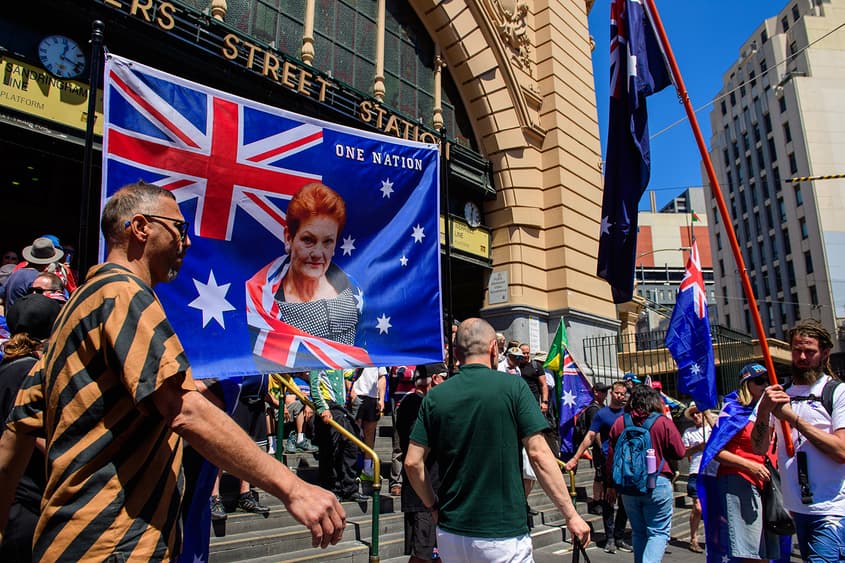
Early on in his prime ministership, John Howard stood in front of Australia’s Indigenous leaders and told them he would not apologise for Australia’s past.

Tue 3 Mar 2026 00.00
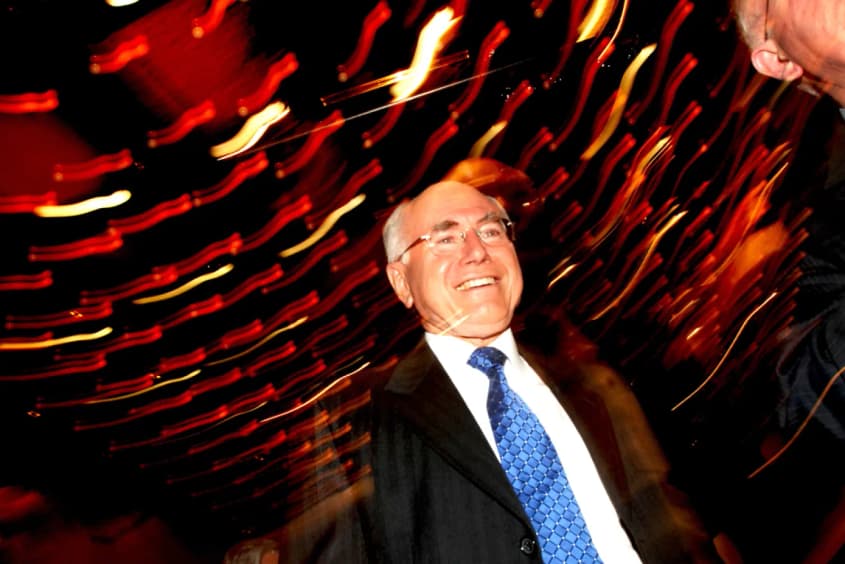


Early on in his prime ministership, John Howard stood in front of Australia’s Indigenous leaders and told them he would not apologise for Australia’s past.
In his opening address to the Australian Reconciliation Convention in 1997, Howard expressed “deep sorrow for those of my fellow Australians who suffered injustices under the practices of past generations towards Indigenous people”.
He was also very personally sorry “for the hurt and trauma many people here today may continue to feel as a consequence of those practices”. But that was as far as it went. Because, as Howard went on to say:
“In facing the realities of the past, however, we must not join those who would portray Australia’s history since 1788 as little more than a disgraceful record of imperialism, exploitation and racism. Such a portrayal is a gross distortion and deliberately neglects the overall story of great Australian achievement that is there in our history to be told, and such an approach will be repudiated by the overwhelming majority of Australians who are proud of what this country has achieved although inevitably acknowledging the blemishes in its past history. Australians of this generation should not be required to accept guilt and blame for past actions and policies over which they had no control.”
The mass slaughter, attempted genocide, state-sanctioned kidnapping of children, imprisonment, stolen land, enslaved labour and dehumanisation of Australia’s First Nations people being described as a “blemish” received the response it deserved – delegates booed and turned their back on Howard.
People in the room watching said they could see Howard recognising how well the response would play for him in the public. He was right. Supported by a nascent Pauline Hanson, Howard derailed Australia’s first steps towards reconciliation into a culture war that is still playing out today.
But he also succeeded in making those who came after him very uncomfortable with making Australia socially uncomfortable. And so, 30 years on, we are still being asked to think about those who may be uncomfortable with change, ahead of those who desperately deserve it.
Labor MP Julian Hill continued this tradition with his McKell Lecture, delivered last week. Hill, who represents the Melbourne electorate of Bruce, would have in his head images of the new citizens and migrants he meets who embrace January 26 for what it means to them, when he talks about “embracing” Australia Day.
This is an argument many Labor MPs make when defending the date – that they see the best of new Australians who celebrate the day for the nation they hope it will be.
But Hill, like anyone who has grown up with Howard’s jingoistic battle lines, knows exactly what signal is being sent by defending “national symbols” and lecturing progressives about how they respond, even as he accepts the day means “different things to different people”:
“Many decent, good Australians love Australia Day and a public holiday before the school year kicks off. Many of us like to don Aussie garb and people don’t want to be sneered at for loving Australia. Why on earth would we cede our flag, our national day and institutions as propaganda for extremists and the hard right?
We can all mark Anzac Day, and treasure our British parliamentary democratic inheritance alongside Indigenous history and culture, and celebrate new people taking Australian citizenship as a welcome act of patriotism. And you can also disagree with anything I’ve said, agreeably.”
Those who partook in the Cronulla race riots were draped in the Australian flag, while Southern Cross tattoos were common sights among crowds at Hanson rallies. Those symbols carry weight.
Far-right extremist group the United Patriots Front used crowd shots of flying Australian flags at its rallies as social media banners.
Hill made this speech following a January 26 where a bomb was thrown into a crowd of people at an Invasion Day rally in Western Australia.
Empathy and compassion is to travel both ways, yes. But in Australia, progressives are expected to always understand where those who are frightened of change, or outright hostile to it, are coming from. Political leaders rarely ask the same in reverse.
Conservative politicians have not been asked to answer for any of the claims made by Advance Australia, or others who work to promote their causes in third-party spaces.
Anthony Albanese and other senior Labor politicians will attend News Corp events, be it relaunches of brands or its never-ending merry-go-round of events dressed up as “forums”, but react with scepticism at attending non-union affiliated events on the other side.
ACT independent senator David Pocock is “divisive” for talking about lopsided tax policy, but Hanson is also “divisive” for racist comments about Muslims. Grace Tame is “difficult” but Albanese would never be able to choose between AFL and NRL.
There has been very little pushback against Barnaby Joyce calling other nations “shitholes” and, far from being a pariah, Hanson is celebrated by a mainstream media no longer just titillated by her, but also enthralled.
We are told constantly we need to disagree better, but that’s only meant to go so far. The conservative project has been so successful in the three decades since Howard’s election that it’s eating itself and the once centre-left party that was built to stand against it governs for its approval.
And still, it never seems enough.
Howard’s legacy is the constant fear of asking people to think beyond themselves to what we could be, rather than constantly enforcing what we were.
And it’s upheld by those who have convinced themselves they wanted power to change what he did. And now, are trapped by it.
Amy Remeikis is a contributing editor for The New Daily and chief political analyst for The Australia Institute
Her book Where It All Went Wrong: The Case Against John Howard has just been released, and is available in all good bookshops and online.
This piece was originally published on The New Daily.
Advertisement
Electoral reform advocates are calling for the Albanese Government to follow the lead of state Labor governments and remove political parties from Australia’s federal postal vote process.
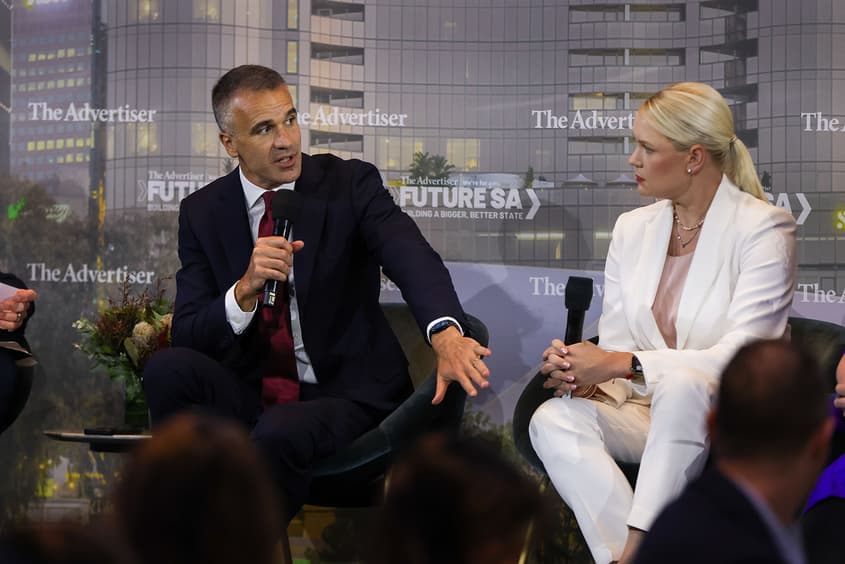
The latest voter polling gives the Malinauskas Labor Government a commanding lead one month out from the 21 March state election in South Australia. South Australia does not need a strong Opposition party, but it does need a strong Parliament. As sensational as a Liberal lower house wipe out would be, it is in the upper house where a Labor landslide would have the most immediate effect.
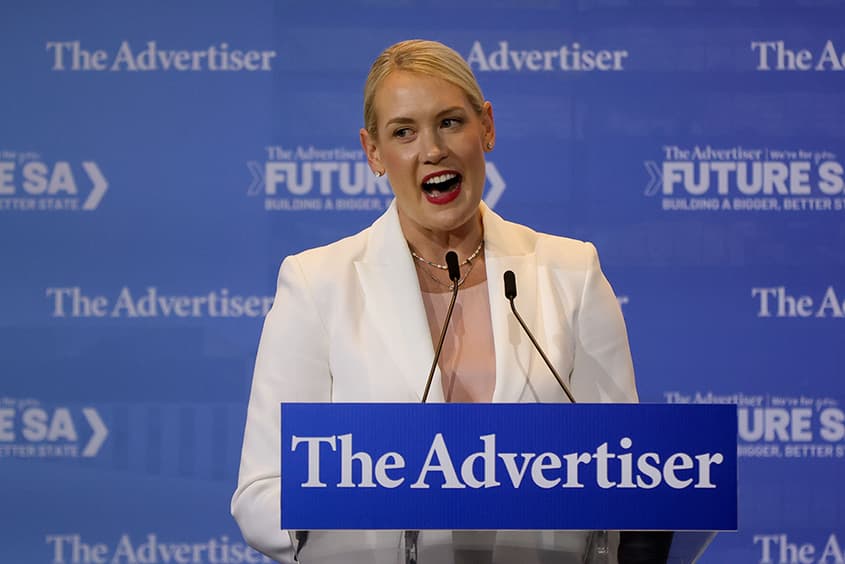
The rise of One Nation creates a surprising opportunity for progressive voters. There are now “safe” Liberal and National seats where One Nation could do very well.