On the 18th of March, the High Court released its judgment on EGH19 v Commonwealth of Australia, ruling that conditions requiring a curfew and ankle-bracelet monitoring on someone released from indefinite immigration detention were not compatible with the Constitution.
Thu 26 Mar 2026 00.00
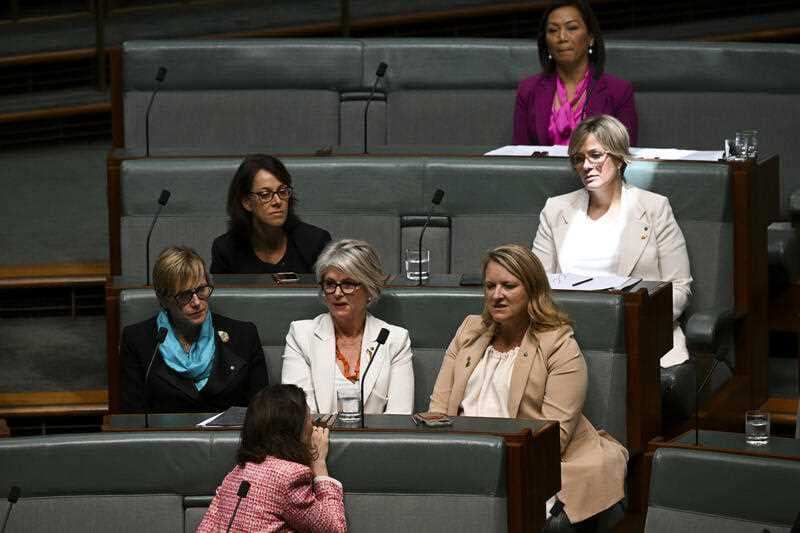
Photo: AAP/Lukas Coch


On the 18th of March, the High Court released its judgment on EGH19 v Commonwealth of Australia, ruling that conditions requiring a curfew and ankle-bracelet monitoring on someone released from indefinite immigration detention were not compatible with the Constitution.
This was the latest in a series of cases challenging the Commonwealth’s treatment of around 350 people who were detained awaiting removal from Australia, but who had no real prospect for removal. After their detainment was ruled unconstitutional in 2023, the 350 people (often known as the ‘NZYQ cohort’) were released on special bridging visas, but many have been subject to punitive conditions, including curfews and ankle-bracelet monitoring that the High Court previously ruled unconstitutional in 2024.
The day after the High Court’s ruling on those conditions in 2024, the Albanese Government responded with a new Migration Amendment Bill that, among other things, allowed it to continue with those punitive visa conditions on 88 members of the NZYQ cohort.
At the time, crossbench MPs, including then-Greens leader Adam Bandt, independents Helen Haines, Kylea Tink, Allegra Spender and Zoe Daniel, warned the Government that the rushed changes to migration law were overly cruel and could be unconstitutional:
During parliamentary debate on the Migration Amendment Bill in 2024, Dr Haines predicted the bill was unlikely to withstand a High Court challenge:
“I cannot in good faith support a bill unlikely to withstand yet another High Court challenge. It is important to remind ourselves that every High Court challenge to government legislation costs a significant amount of taxpayer dollars.”
Bandt said the Greens:
“… still reject the fundamental assumptions that this bill makes that the government is able to extrajudicially punish people. The High Court made it clear that the law needs to be applied equally to everyone, no matter where you come from, and you cannot have bureaucrats and politicians punishing people outside the courts. That’s what the High Court decided.”
And Zoe Daniel predicted the bill would have the same fate as its predecessor:
“The saying goes that history repeats itself. … And again now, as constitutional expert Anne Twomey says: It’s fairly likely someone will challenge it, and there’s a reasonable chance it will be struck down.”
A year and a half after this debate, the High Court has once again struck down the punitive visa conditions in its decision this week, just as crossbenchers predicted.
Verdict: True
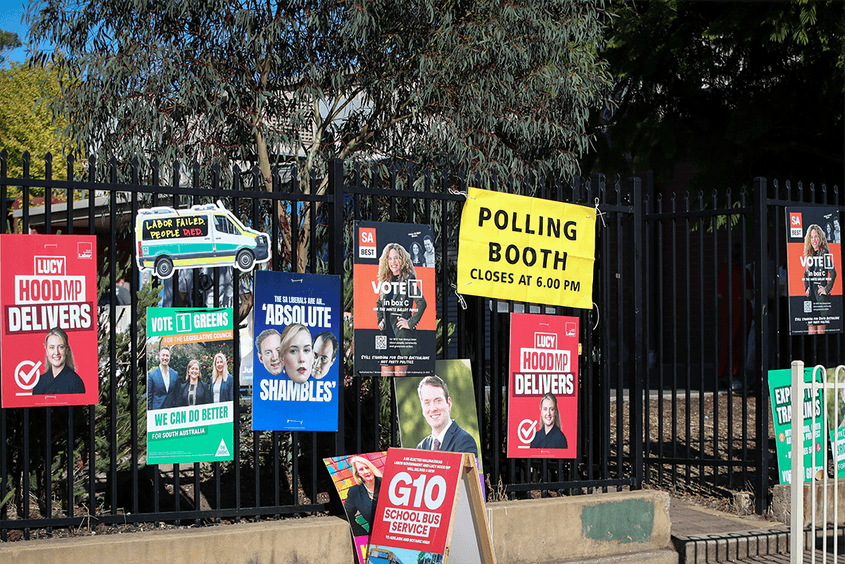
Australia’s “two-party system” looks uncertain, and in South Australia it would be fair to say it has ceased to exist altogether with the far-right minor party, One Nation, winning more votes and about as many seats as the Liberal Opposition.
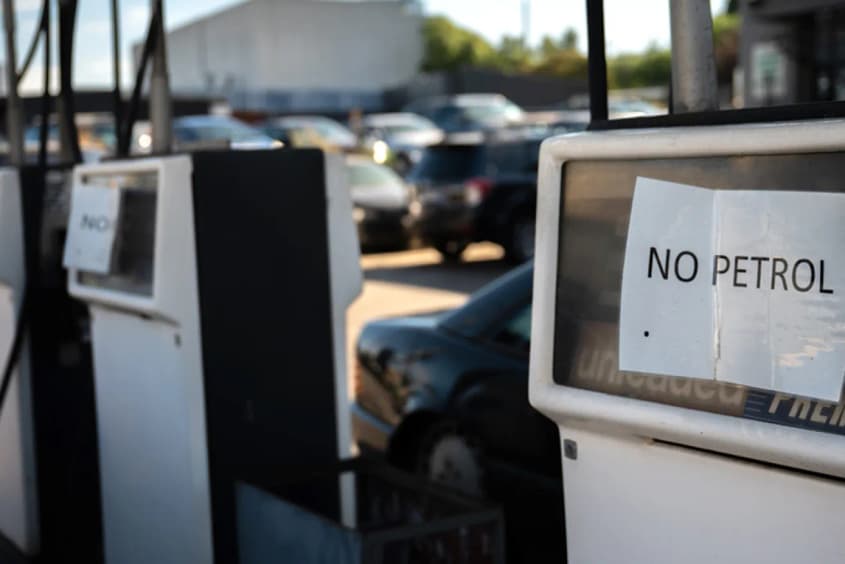
Energy security is national security. And for all the posturing from conservatives about “seeing Mad Max levels around the country right now” (whatever that means, the LNP’s Phil Thompson), they did this.
Advertisement
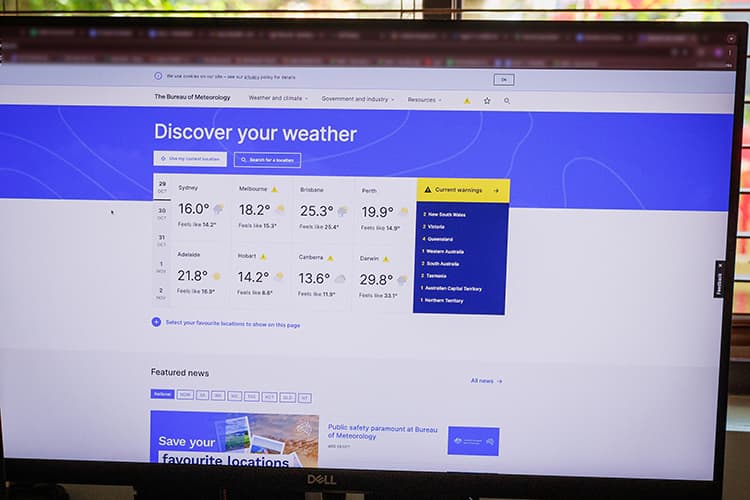
The consulting firm behind the Bureau of Meteorology’s (BoM) heavily criticised website has been awarded another multi-million-dollar government contract to build a new climate platform.
So much of what passes for Australian political discourse relies on existential threats. It’s easy to make grandiose statements and take positions when the threat is some amorphous vague maybe that could possibly happen.