Factcheck: Angus Taylor’s claim that expanding Parliament “could cost $620 million” is misleading
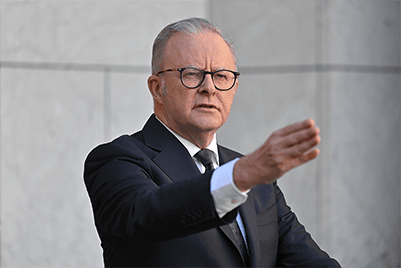
Liberal leader Angus Taylor claims that expanding Parliament “could cost taxpayers more than $620 million”. This figure is misleading, relying on unclear assumptions and omitting important context.
Thu 9 Apr 2026 01.00
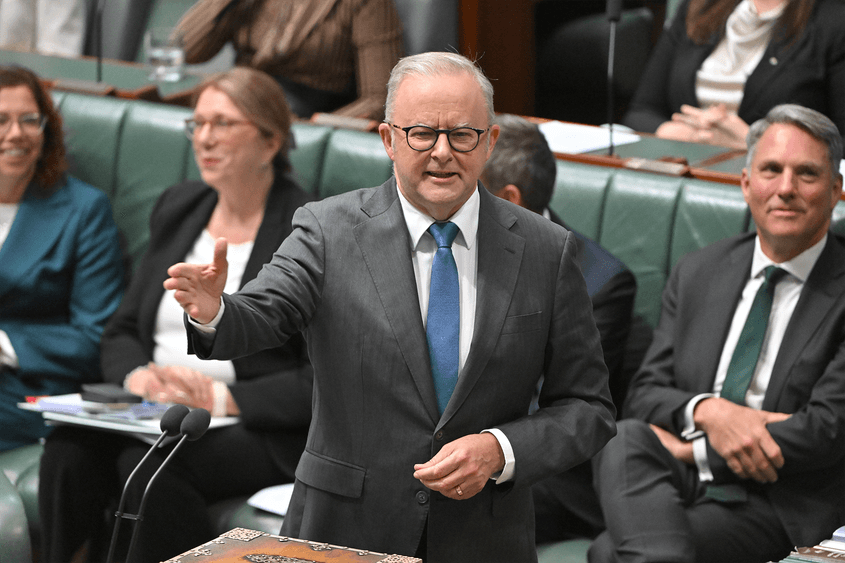
Photo: AAP Image/Mick Tsikas


At the end of March, Liberal leader Angus Taylor and Nationals leader Matt Canavan issued a joint press release warning that expanding the Australian Parliament would “come at significant cost to taxpayers at a time Australians are already under severe financial pressure.”
Specifically, they cited analysis from the Parliamentary Budget Office that expanding Parliament “could cost taxpayers more than $620 million, including salaries, staff, travel and office costs.”
First off, any change to the size of Parliament wouldn’t happen until 2028 – so this isn’t exactly a pressing issue for inflation in 2026. And while $620 million might sound like a lot, it’s a drop in the bucket compared to overall household or government spending, not enough to significantly affect inflation.
While the Parliamentary Budget Office analysis has not been publicly released, there are several issues with how the Coalition leaders have framed their figures.
Where is their working?
If detail would have helped Taylor and Canavan’s argument, they would have published the working behind the sensational $620 million figure. In the absence of such detail, it’s unclear what this figure actually represents – how many MPs and senators would be added? Would it cost $620 million per year, or is that over a decade? What resources are being allocated to each MP and senator?
There are several proposals for expanding Australia’s Parliament. The smallest practical expansion of Parliament would add an extra 40 parliamentarians. The former option, reportedly favoured by Minister Don Farrell, has previously been costed by the Parliamentary Budget Office at around $75 million per year – not insignificant, but far from the $620 million claimed by the Coalition.
Media reporting suggests that the $620 million figure is over eight years, or less than $80 million per year. Any number can look big if you add up enough years’ worth of spending.
For comparison, there’s $786 billion in the current federal budget. So even at $80 million per year, the costs of expanding parliament would make up less than 0.01% of government spending.
Australia could make $2 million every hour by imposing a 25% tax on gas exports. If an expanded parliament led to better decision-making on how to run the economy and tax multinational corporations, it could pay for itself in less than two days.
Flawed assumptions
While we don’t know for sure, Taylor and Canavan’s figure likely assumes all of the additional parliamentarians would have the same salary, staffing, travel and office benefits that incumbents currently enjoy – over $1 million per year for each MP and senator.
But most of those benefits (worth around $880,000) are designed to assist parliamentarians in representing their electorates. If the size of Parliament increased, each parliamentarian would represent a significantly smaller number of voters, and these resources could be shared with new MPs and senators.
Since the last increase in the size of Parliament in 1984, the number of electorate staff per parliamentarian has increased from three to five, or about 450 extra staff in total. If the number of MPs and senators were increased by 50%, as recommended by the Australia Institute, but the number of electorate staff per MP or senator were cut back down to three, there would be no net change in the total number of staffers.
The cost of not expanding Parliament
The Coalition leaders also ignored the reasons why a diverse range of voices, including the right-wing Institute of Public Affairs think tank, Herald Sun political editor James Campbell and, in private, their own MPs, support expanding the Parliament.
Since 1984, the last time Parliament expanded, Australia’s population has almost doubled. On average, there are now over 180,000 people in each of Australia’s 150 electorates. In 1984, there were just over 100,000 in each electorate, and only around 50,000 at Federation in 1901.
Having so many people in each electorate makes adequately representing the views of everyone an MP represents increasingly difficult, if not impossible. In rural areas, it means many MPs represent areas larger than most countries. If the division of Durack, which encompasses the northern half of WA, were a country, it would be the 19th largest in the world – just behind Mongolia – or the size of France, Germany and Spain combined.
In that context, it’s no surprise that just 21% of Australians would feel comfortable speaking to their local member, and only 8% have actually spoken to them, down from when the Australia Institute first asked this question in 2017. Without an expansion to the size of Parliament, that is likely to shrink even further.
Taylor and Canavan, in claiming that expanding Parliament would cost $620 million, reached for the steepest figure they could, while ignoring the cost to our democracy of leaving the number of MPs as it is.
Verdict: Misleading
Related Articles
Popular policies would be a better revenue raiser than taking fossil fuel and gambling donations
Australians are naturally suspicious of corporate donations, especially when they come from vested interests with everything to gain from influencing government decision-making. But are these donations large enough to explain why politicians act the way they do? The reality is that political donations from harmful industries are small relative to the payments parties receive from you, the voter.