'Perfectly legal to lie': report exposes gaps in political ad laws
The Australian Ad Observatory report has warned that online political messaging in Australia “remains murky territory, lacking in transparency and accountability.”
Fri 10 Apr 2026 01.00
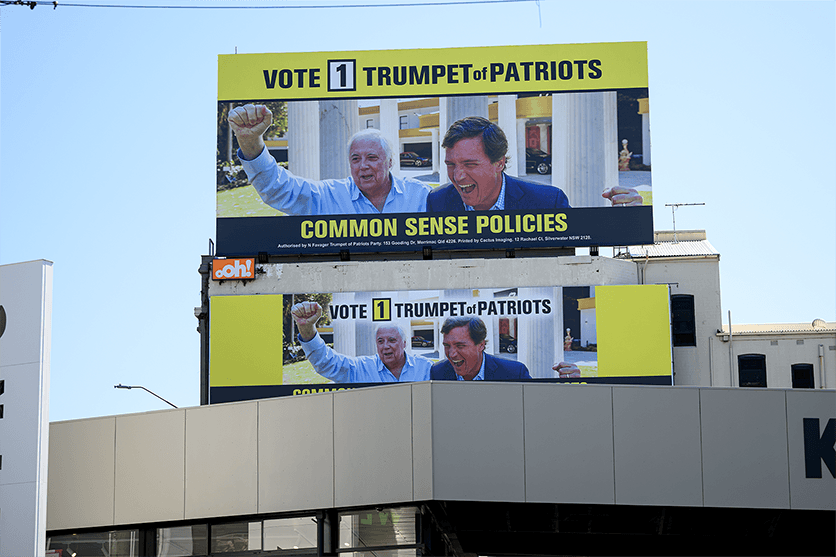
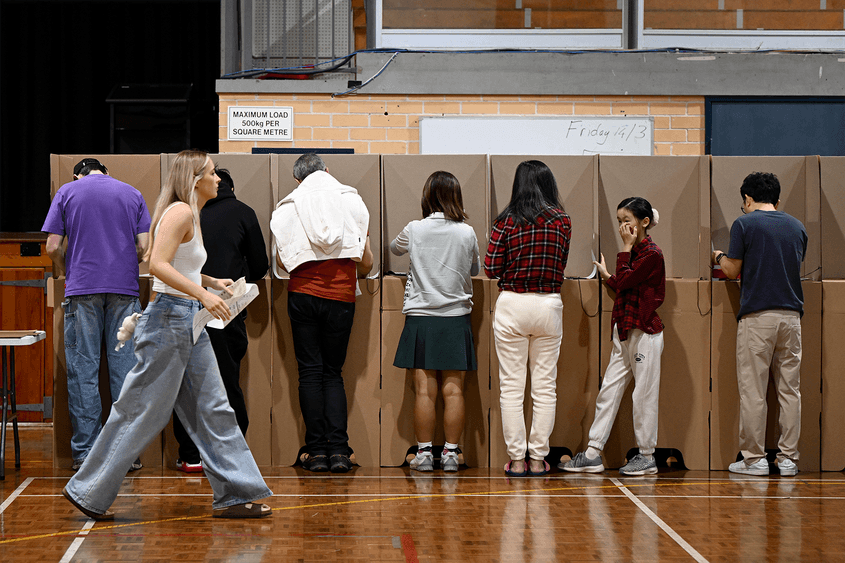
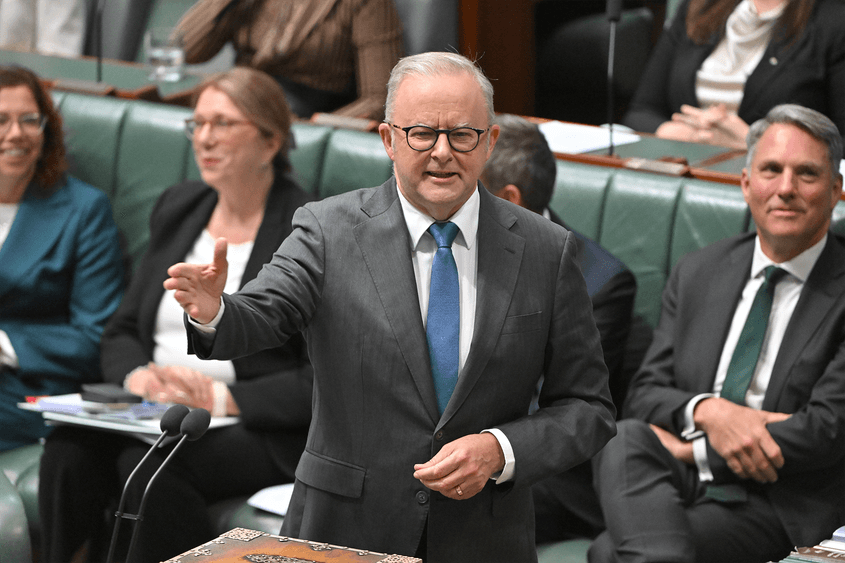
Photo: AAP Image/Bianca De Marchi


An investigation into political advertising during the 2025 federal election has found that misinformation, covert lobbying, and “astroturfing” were rife on social media.
The Australian Ad Observatory report has warned that online political messaging in Australia “remains murky territory, lacking in transparency and accountability.”
Its research found paid content accounted for just 3 per cent of the ads participants received, with advertisers instead favouring targeted, user-generated social media posts that are harder to track and verify.
“Misinformation, scare tactics and messages exploiting cost of living pressures of ‘everyday’ struggling Australians is central to both online and other election ads,” it noted.
The report showed it was harder to determine whether online posts originated from genuine community groups and grassroots organisations or from accounts affiliated with and funded by political or corporate interests.
That ambiguity, it noted, can be deliberate with “organisations that purport to be spontaneous bottom-up, interest groups … actually sock puppets for moneyed interests attempting to influence the election, a practice known as ‘astroturfing’.”
“This lowers the reporting requirements for the ads, allowing them to skirt Meta’s policies.”
The review found most of the ads from third-party groups focused on energy-related issues, with nine organisations spending heavily on ‘clean’, ‘green’, pro-gas, pro-coal, and pro-nuclear energy messaging.
“Key attributes of these ads include non-transparent disclosure of funding sources or party affiliation, and the copying of name and likeness of already-existing grass-roots organisations both in Australia and internationally,” stated the research.
Overall, many of the political ads were deemed to be riddled with decontextualised and misleading information.
“We found both the ALP and LNP used misleading and decontextualised claims about the other’s policies, often centred on cost of living,” researchers noted.
“Minor political parties also contributed to misinformation, though their advertising made up a very small percentage of the ads collected.
“Trumpet of Patriots were particularly egregious in sharing misinformation, including unsubstantiated claims of China preparing for a ground invasion of Australia.”
Bill Browne, the Australia Institute’s Director of the Democracy & Accountability Program, said the findings underscored a deeper issue with Australia’s political advertising laws.
“It’s perfectly legal to lie in a political ad in Australia, and it shouldn’t be.”
Unlike commercial advertising, it is not prohibited to make misleading or deceptive claims in political ads.
Mr Browne said politicians have argued for decades that it is too difficult to regulate political communication.
However, there is a model that has been working quietly.
“South Australia has had working truth in political advertising laws for forty years, and they are popular, practical and constitutional,” he said.
Under SA’s Electoral Act 1985, it is an offence to authorise or cause to be published electoral advertisements that are materially inaccurate and misleading, with similar wording in the ACT.
Their state electoral commissioners can request that the ads be withdrawn and a retraction issued.
Mr Browne urged the Commonwealth and other states to adopt similar laws.
“Without new truth in political advertising laws, our elections risk becoming a fake news free-for-all, putting the very integrity of our democracy at risk,” he said.
Related Articles
Popular policies would be a better revenue raiser than taking fossil fuel and gambling donations
Australians are naturally suspicious of corporate donations, especially when they come from vested interests with everything to gain from influencing government decision-making. But are these donations large enough to explain why politicians act the way they do? The reality is that political donations from harmful industries are small relative to the payments parties receive from you, the voter.