Australia’s electorates have doubled in size within a generation, diluting voter representation
Australians now have to share their local member with twice as many people as they used to. Given this, it is not surprising that Australia Institute polling research finds most Australians have never called or written to them, and would not feel comfortable approaching them with a problem.
Wed 8 Apr 2026 13.35
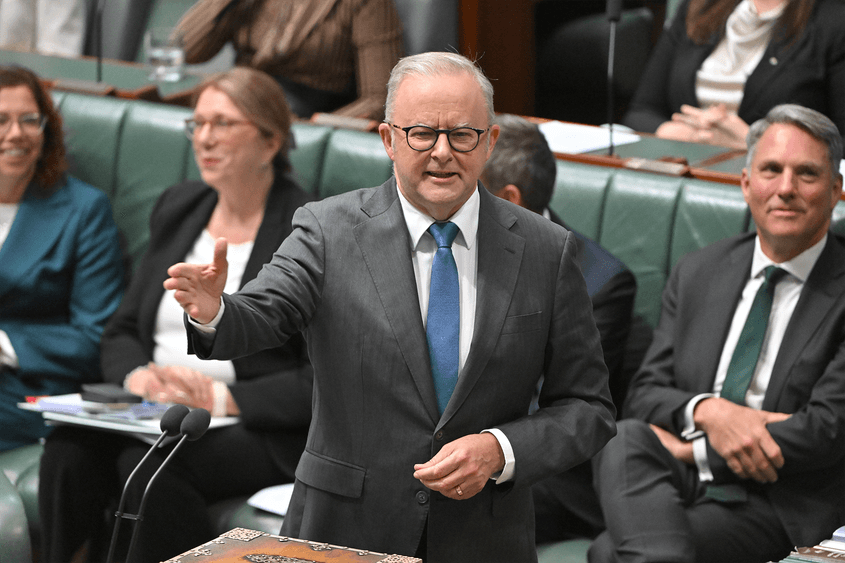
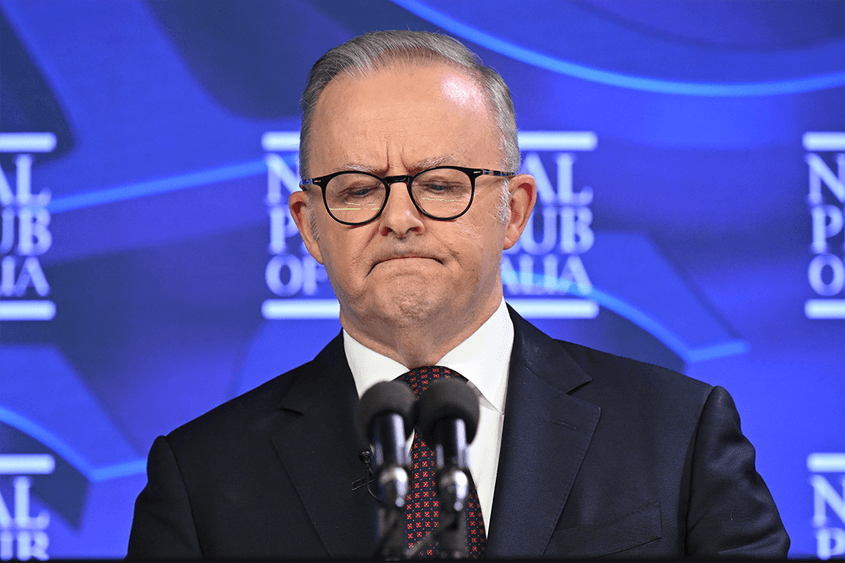
Photo: AAP Image/Mick Tsikas


Eighteen-year-olds were first entitled to vote in Australian elections in 1974. If you were 18 in 1974, you are about 70 today.
In your first election, you would have been part of an electorate of about 62,000 other voters.
At last year’s election, you would have been one of about 121,000 voters in your electorate.
Over a lifetime of voting, Australians have seen the strength of their vote halve.
To put it another way, Australians now have to share their local member with twice as many people as they used to.
Given this, it is not surprising that Australia Institute polling research finds most Australians have never called or written to them, and would not feel comfortable approaching them with a problem – and all three measures have gotten worse over the last nine years.
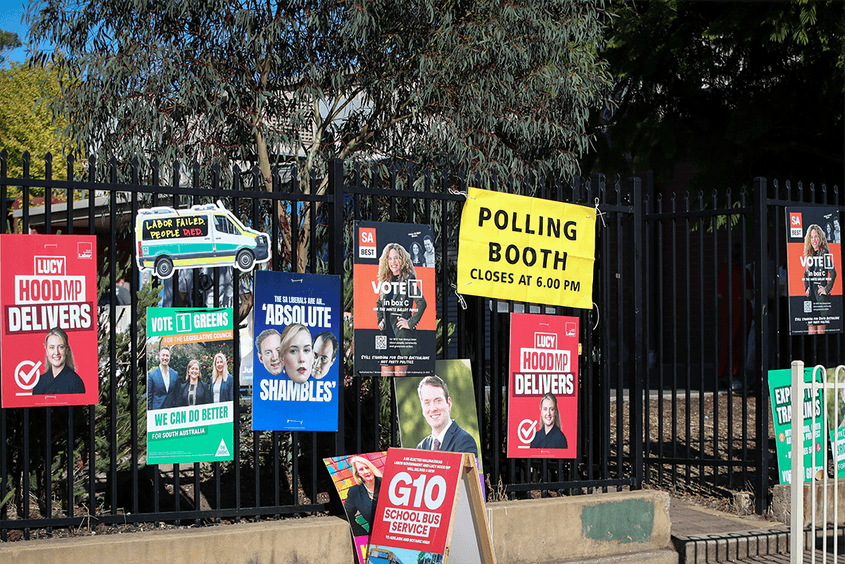
Larger electorates make politicians more distant and less accountable. In 1974, it could take as little as 2,500 voters changing their minds to make a safe seat marginal. Last year, that number was 4,800.
To a good candidate with a good campaign, there is no such thing as a safe seat – but larger electorates make it harder for candidates to reach and talk to a large number of voters.
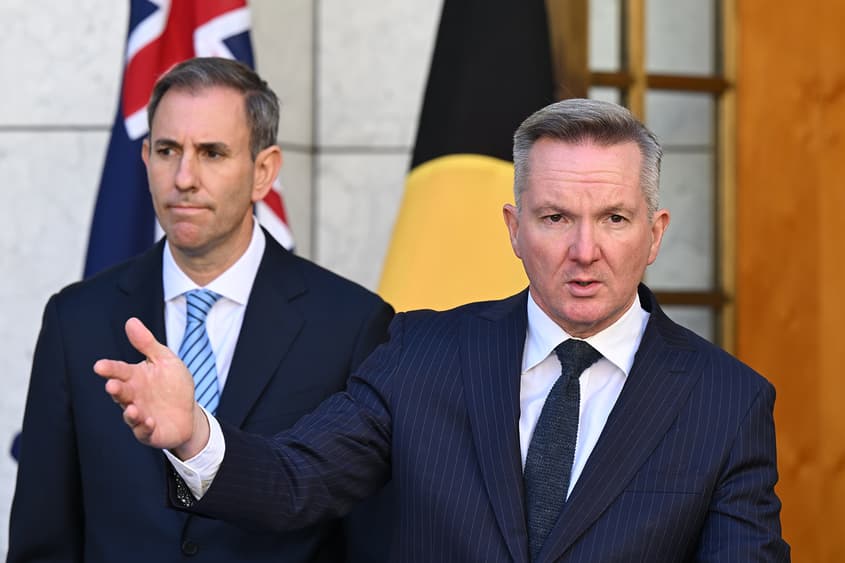
Albanese recently downplayed calls to expand Parliament, stating he is happy with its current composition. He described the proposal for parliamentary expansion, currently under examination by a parliamentary committee and Special Minister of State Don Farrell, as “political madness” – not because it is a bad idea, but because it would make the next election more challenging for Labor. Despite Albanese’s comments, the proposal continues to be assessed by the Joint Standing Committee on Electoral Matters – a multiparty committee that has heard from a range of experts that an expansion would strengthen democracy.
Everyone benefits from a larger, more representative Parliament, where local members have more time to spend in their local communities and there are more parliamentarians to do committee work and to interrogate the government.
An increase in the size of Parliament is long overdue.
Related Articles
The Wrap: A missed opportunity to face reality
Last night, the Australian Prime Minister had the chance to face reality. His address to the nation was a recognition that Australians are deeply worried about the state of the world – as they should be. What the prime minister did not say is that this trouble lies at the feet of the President of the United States.