The release of the mid-year fiscal and economic outlook (MYEFO) has revealed the cost of the changes to the superannuation tax concessions made by the government and the continued failure of the Petroleum Resources Rent Tax (PRRT) to deliver fair benefits to Australians
Wed 17 Dec 2025 14.00

Photo: AAP Image/Dominic Giannini


The release of the mid-year fiscal and economic outlook (MYEFO) has revealed the cost of the changes to the superannuation tax concessions made by the government and the continued failure of the Petroleum Resources Rent Tax (PRRT) to deliver fair benefits to Australians
The overall media narrative of the MYEFO is generally focussed on the changes to the budget balance. On this score, Treasurer Jim Chalmers was very happy to talk up the $5.3bn smaller budget deficit for this current financial year than was predicted in the budget earlier this year:
Most of the improvement in 2025-26 comes from so called “parameter variations” rather than policy changes.
Parameter changes are when the underlying cause of revenue and spending changes in a way that either increase or decrease either. For example, the MYEFO notes that forecasts for personal income tax, company tax, superannuation fund taxes and GST receipts are all higher due to stronger wage growth than expected, more savings income in superannuation from higher-than-expected share prices and better spending than was anticipated in the budget.
On this score we also see the continued failure of the PRRT. The MYEFO has revised down PRRT revenue over the next 4 years by 22% – from a total of $6.85bn to $5.35bn.
The reason given is rather damning. The MYEFO states that the “downgrade reflects a lower assumed oil price and an increase in credits for decommissioning expenditure incurred by projects no longer producing”.
While this might be understandable, sadly for Australians, we did not see any great increase of PRRT revenue when oil and gas prices soared due to the Russia invasion of Ukraine. And the note of an “increase in credits for decommissioning expenditure” just highlights the absurdity of the tax. Gas companies use the cost of building gas platforms to reduce the PRRT liability and they then use the cost of decommissioning them to further reduce the tax they pay.
Gas companies play the government both coming and going.
One reduction in revenue which was not a parameter change is the impact of amending the proposed chances to superannuation tax concession for super balances over $3m.
The government initially proposed taxing unrealised capital gains. Under pressure from vested interest groups the government backed down and instead made the reduced tax concession only applicable to realised capital gains and further index the threshold.
The MYEFO states that this “measure is estimated to decrease receipts by $3.8 billion” with a peak cost in 2027-28 of $2.2bn less revenue raised than expected in the Budget.
It is bitterly ironic that those commentators who focus on the budget balance and demand lower spending where mostly the same as those who pushed for the government to raise less revenue
Advertisement

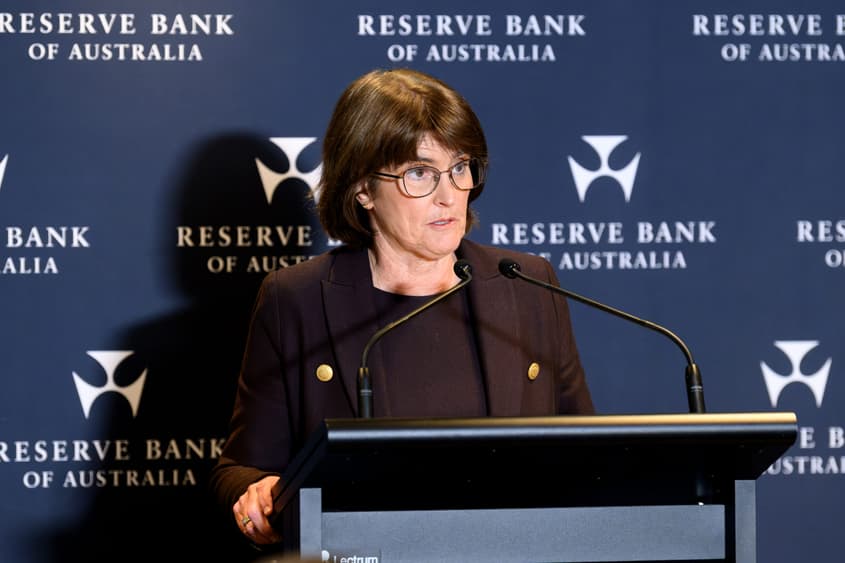
The Reserve Bank has completely misread the economy and risked sending more Australians into poverty on Jobseeker by raising the cash rate to 4.1%.
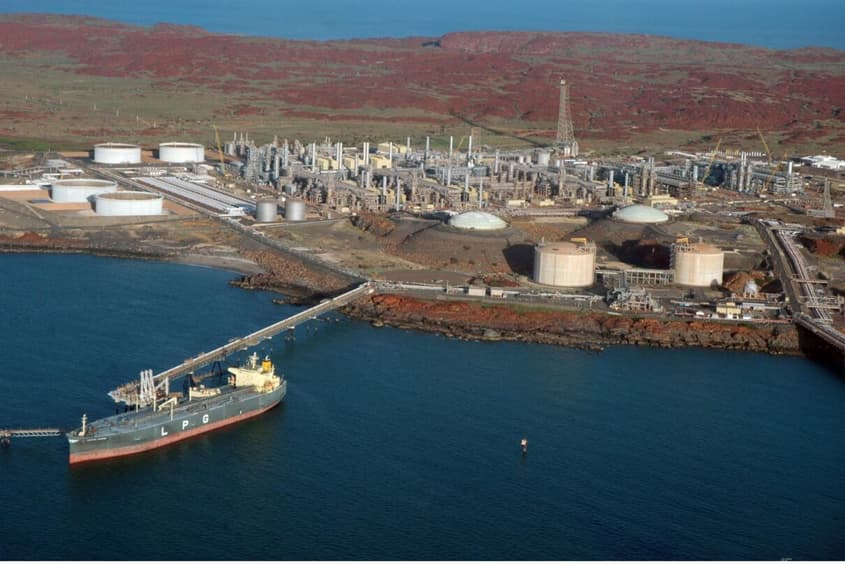
Australia doesn’t have a shortage of houses, a shortage of gas, or a shortage of bullshit about housing and gas supply. Australia is one of the world’s largest exporters of gas, but we’re often told we don’t have enough gas. Likewise, Australia has more houses and apartments -- in absolutes terms and per person -- than we did in the 1960s.
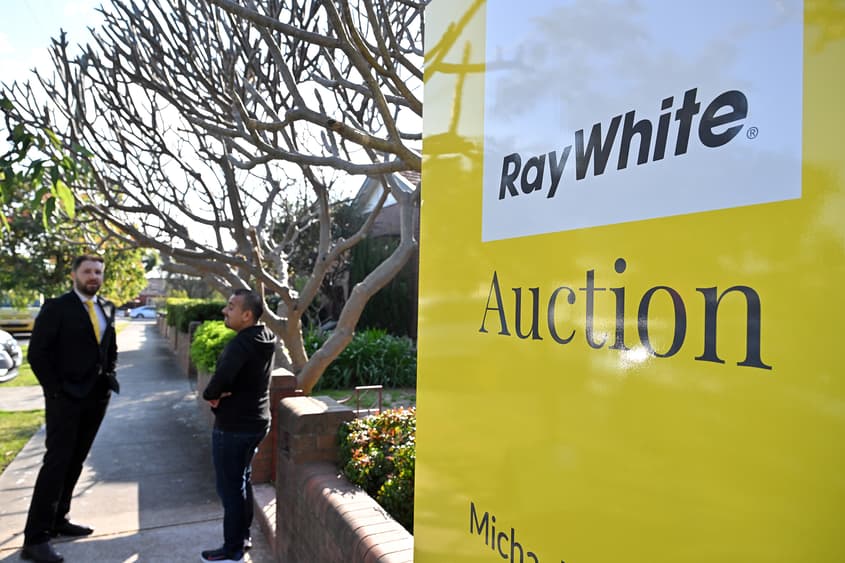
New research shows fossil fuel subsidies will reach $16.3 billion in 2025–26, rising faster than the NDIS. Handouts to mining giants are growing faster than support for Australians with disability.