A chronic shortage of healthcare workers has intensified calls for the Albanese Government to end unpaid “placement poverty” and extend government financial support to include medical and allied health students.
Tue 17 Feb 2026 01.00
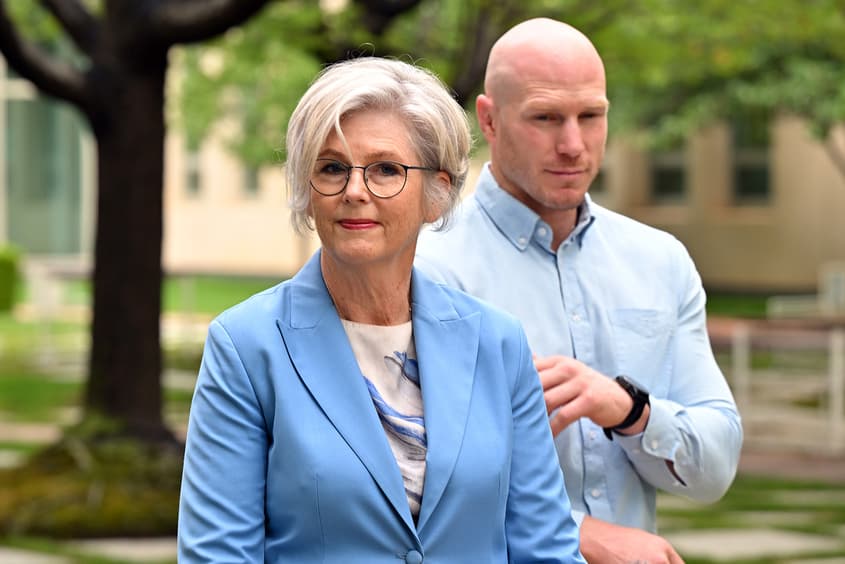
Photo: AAP Image/Mick Tsikas


A chronic shortage of healthcare workers has intensified calls for the Albanese Government to end unpaid “placement poverty” and extend government financial support to include medical and allied health students.
Independent modelling from the Parliamentary Budget Office (PBO) shows it would cost an additional $290 million over the forward estimates to help future health professionals cover living costs while completing compulsory unpaid practical placements while studying.
“Unpaid mandatory placements are pushing thousands of students into financial hardship at a time of acute workforce shortages and a cost-of-living crisis,” said Dr Helen Haines, Independent Member for Ind.
The Albanese Government introduced the Commonwealth Prac Payment on 1 July 2025 for teaching, nursing, midwifery and social work students.
It provides eligible students with $338.60 a week while undertaking mandatory placements during the study of a bachelor’s or master’s degree.
There are now growing calls for it to be expanded to include other medical and allied health students such as pharmacists, psychologists, paramedics and physiotherapists and occupational therapists.
“Investing some $80 million a year in expanding a means-tested payment to enable more people from all backgrounds – be they First Nations peoples, people with disability, single parents or single income households – will improve equity and make sure we are training and qualifying the medical and allied health professionals we need, not just the ones who can afford it,” said Independent ACT Senator David Pocock.
He and Dr Haines commissioned the PBO costings to show that broadening the initiative is “both achievable and affordable”.
“Failing to act is a political choice, not a budget constraint,” Dr Haines said.
Healthcare students are required to complete hundreds – and in some cases thousands – of hours of unpaid clinical placement in order to graduate.
Senator Pocock said extending the payment to “the professions we so desperately need makes sense and will help ease that shortage”.
Last year Health Students Alliance research revealed 82 per cent of health students struggled to pay bills and almost half went hungry on placement.
National Australian Pharmacy Students’ Association (NAPSA) National President Sam Harper told journalists in Canberra, “The results of that were a lot more grim than we expected”.
Palliative Care Australia (PCA) has also endorsed the calls with National Policy Director Josh Fear describing the move as a “practical, achievable reform”.
“Palliative care is delivered by multidisciplinary teams, and we need a strong pipeline of medical and allied health professionals to meet community need,” Mr Fear said.
“When students are required to complete unpaid placements, it can force real financial stress and it can put completion of training at risk.”
CEO of Allied Health Professions Australia Bronwyn Morris-Donovan asserts the move “is not an option – it’s essential”.
“Unpaid placements hit hardest for rural students, mature-age students with caring responsibilities, Aboriginal and Torres Strait Islander students, and anyone experiencing financial disadvantage,” she said.
“Expanding Prac Payments is crucial for building a more diverse workforce and ensuring every student has a fair chance to complete their training.”
Dr Haines and Senator Pocock have joined peak body Allied Health Professions Australia to launch an online petition calling for government action.
This is an edited extract from "The Ruin of Magic" by Kate Holden, published by Black Inc.

This is the new foreword, written by Clare Wright, for the new updated edition of 'See What You Made Do' by Jess Hill

Advertisement
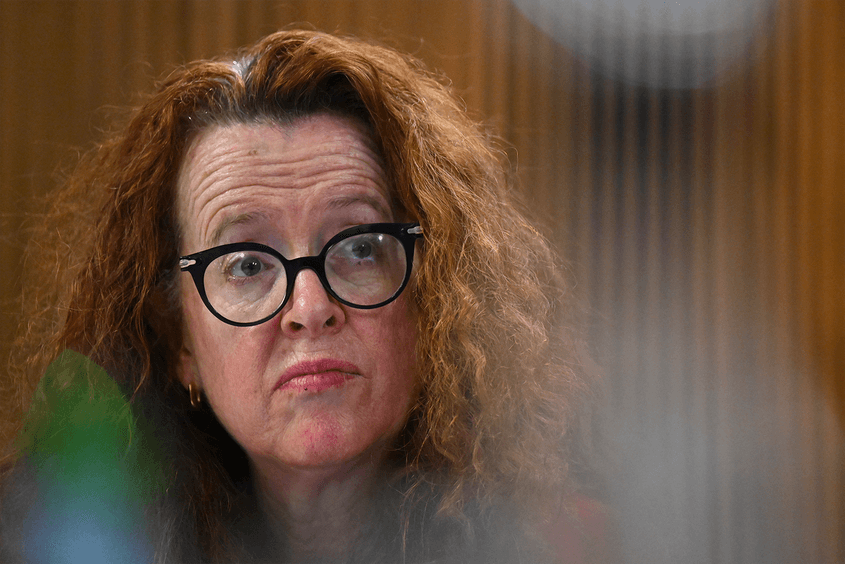
Last year the Australian National University (ANU) was getting some bad press, so they engaged a company called Bastion Reputation to help with the media fallout from restructures and the heavily criticised leadership of its Vice Chancellor, Professor Genevieve Bell. The meeting cost $6,000, which is more than ANU paid me for a full semester of tutoring in 2023. According to a response to an FOI request, the meeting did not warrant any notetaking and was “not significant”.
Australia has more than $11 billion sitting in philanthropic funds that have already received generous tax deductions. Much of that money is intended for public good, but only a small portion is required to reach charities each year.