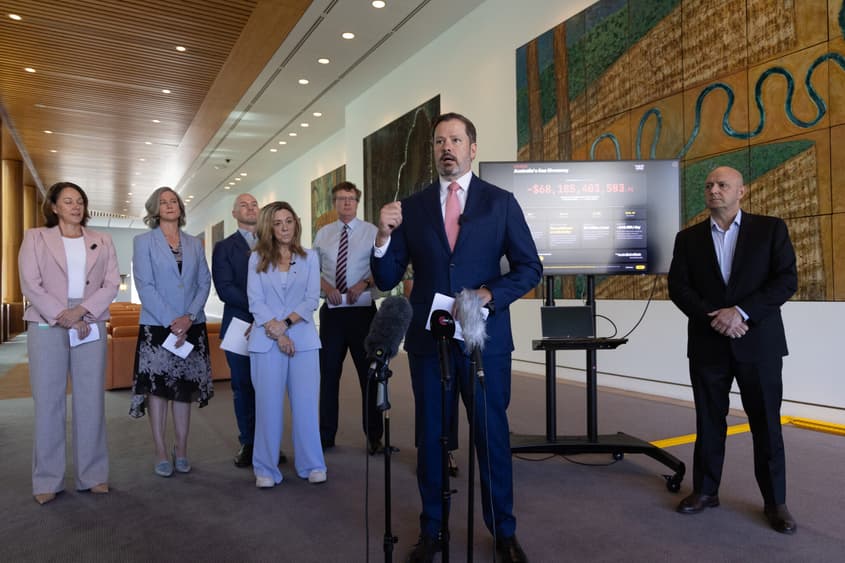
The Albanese Government has drawn fierce criticism after approving the extension of a Queensland coal mine that conservationists say will destroy crucial habitat for koalas and greater gliders.
Mon 16 Feb 2026 01.00
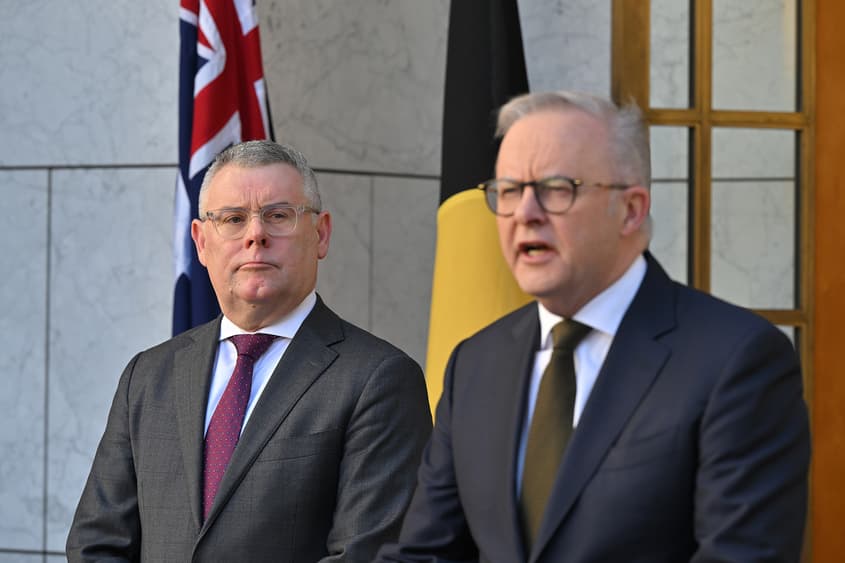
Photo: AAP Image/Mick Tsikas


The Albanese Government has drawn fierce criticism after approving the extension of a Queensland coal mine that conservationists say will destroy crucial habitat for koalas and greater gliders.
Middlemount Coal mine in Queensland’s Bowen Basin will now operate for an addition seven years – until 2044 – allowing it to extract an additional 112 million tonnes of coal.
“Approving new coal expansions in the middle of the hottest summer on record is indefensible climate vandalism,” said Greens Leader Senator Larissa Waters.
The mine is jointly owned by US company Peabody and China-owned Yancoal.
Climate and conservation advocates say they’re deeply concerned and have accused Labor of putting foreign fossil fuel companies ahead of the environment.
“Australia just joined an initiative to phase out fossil fuels, yet here is another coal approval,” pointed out Rod Campbell, research director at the Australia Institute.
“The Albanese Government is hammering another nail in the coffin of regional Queensland,” said Mackay Conservation Group Campaigner Imogen Lindenberg.
“We are on the frontline of climate induced extreme weather, which is caused by the mining and burning of fossil fuels and is wreaking havoc on communities and ecosystems.”
Analysis by Environmental Advocacy in Central Queensland (EnvA) estimates the expansion will result in approximately 236 million tonnes of climate pollution ( CO₂-e) from the extraction and burning of the exported coal overseas.
That’s the equivalent to more than half of Australia’s annual domestic emissions in 2024–25.
“This is the second coal project in Queensland that the Albanese government has approved this year,” said Queensland Conservation Council campaigner Charlie Fox.
“The science is unwavering – digging and burning coal is fundamentally changing our climate, driving more frequent rain events and flooding.”
While koalas are considered an endangered species, the approval has greenlit the clearing of 183 hectares of their habitat and 82 hectares of habitat used by the vulnerable greater glider.
Middlemount Coal will be required to hire a qualified ecologist to identify and relocate any glider tree hollows – a condition critics call tokenistic.
National grassroots organisation Lock the Gate says the Albanese Government is “burning our future”.
“Environment Minister Murray Watt likes to talk about cracking down on land clearing and environmental laws that will protect endangered wildlife habitat, but then he uses those same laws to approve a coal mine to destroy koala and greater glider habitat,” pointed out Central Queensland coordinator for Lock The Gate Dr Claire Gronow.
“The hypocrisy is staggering.”
The Greens have accused Environment Minister Murray Watt of announcing the controversial approval at a time when “the Liberals tearing each other apart”.
“These projects lock in hundreds of millions of tonnes of pollution and push Australia further away from meeting even the weak 2035 emissions target,” said Senator Waters.
“Labor can’t call itself a climate leader and keep signing off on mines that supercharge the climate crisis.”
The Albanese Government will be forced to defend its decision on the world stage soon when it attends the United Nation’s Climate Weeks.
“UN Climate talks start in Korea in April, a country that has just committed to phasing out coal-fired power by 2040,” said Rod Campbell.
“Korea was able to commit to this partly because the coal mines that Korean companies proposed in Australia weren’t approved.
South Korea – one of Australia’s biggest thermal coal customers – officially joined the Powering Past Coal Alliance during Brazil’s COP30 climate talks in November.
“It will be hard for Australian ministers and diplomats to argue that new mines in Australia don’t matter when they arrive in Korea, because stopping Australian mines played a role in Korea’s progress,” he said.
The Albanese Government is being urged to rule out changes to the Electric Car Discount in the May budget, as global fuel volatility intensifies pressure to ease the cost of living.
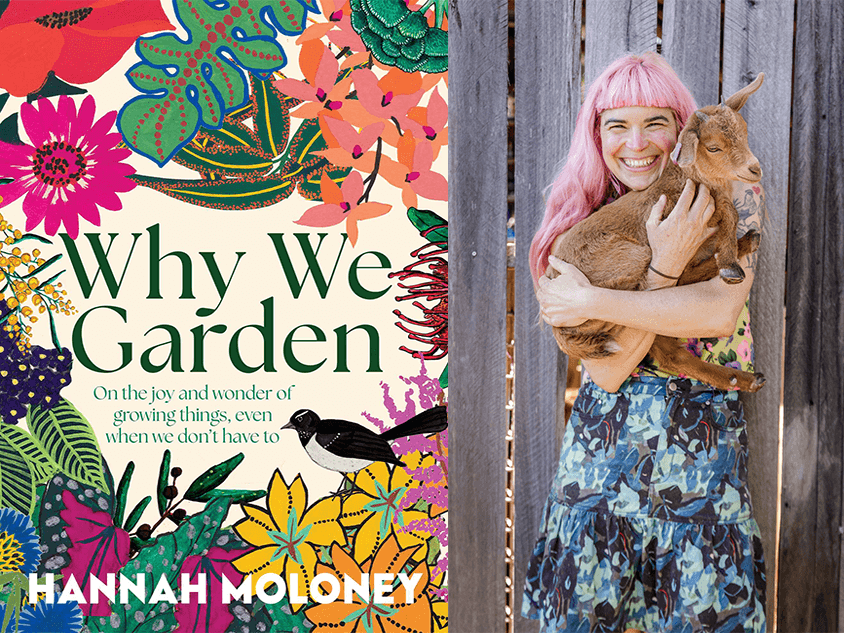
An edited extract of 'Why We Garden' by Hannah Moloney, available in stores nationally from April 14.
Advertisement
A "25% tax on gas exports would make “17 billion dollars a year”, and, as ARIA-award-winning musician Montaigne claims, “if even a fraction of [that money] was directed to music and the arts, it could change the game”. They're right — if less than one fiftieth of the potential annual revenue from the 25% gas exports tax went to arts funding, that alone could be transformative.
Pressure is mounting on the Albanese Government to introduce a 25 per cent gas export tax, with new figures revealing Australia misses out on almost $350 million in revenue every week.