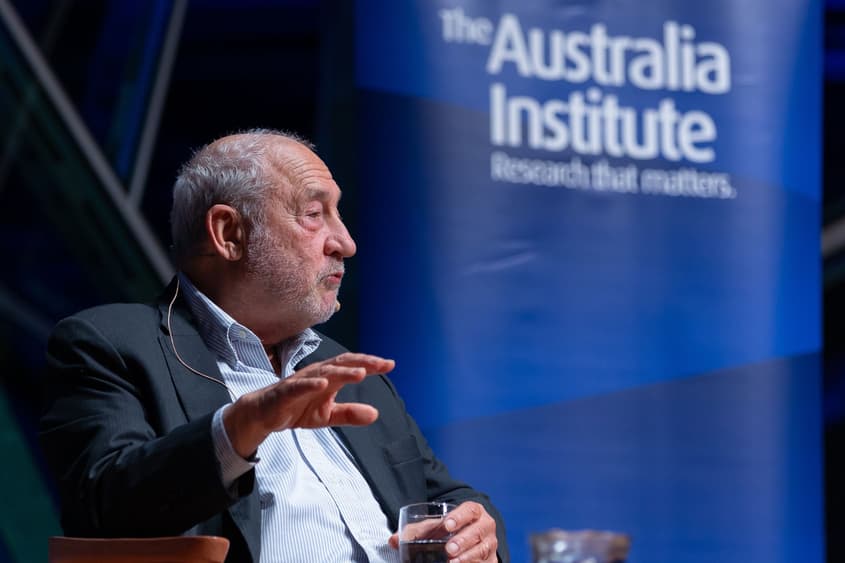
Nobel Prize-winning economist Professor Joseph Stiglitz has urged the Australian Government to “follow the money” and start imposing a “a very, very high tax rate” on the country’s natural resources.
The former Chief Economist and Senior Vice President at the World Bank had some frank advice for Australia, saying it “seems foolish” that most multinational gas exporters pay no royalties and minimal tax.
“If you came to me when I was chief economist of the World Bank I would’ve given you clear, clear advice. And it’s the same today actually, it hasn’t changed,” he said.
“The first thing is auction off your resources for the highest value.
“Get the highest value from whoever can extract your resources.”
Speaking on a special Australia Institute webinar, the world renowned economist warned that failing to suitably tax excess corporate profits risked deepening inequality.
“The resources under Australia belong to the Australian people and not to the gas companies, and the value of those resources therefore ought to be appropriated to the maximum, maximum extent possible by the Australian people.”
Research by the Australia Institute shows a 25% tax on gas exports – proposed by the ACTU and backed by the Greens – would raise around $17 billion for Australians annually.
The Nobel laureate in economics argued a tax on super profits “ought to be imposed”.
“These (resource companies) are making returns in excess of the investments that they have made to extract those resources.
The Australia Institute’s co-chief executive, Dr Richard Denniss said a tax on the gas industry had failed to materialise because the foreign gas companies had “turned their economic power into the political power and were preventing Australian governments from getting a fair deal for Australians”.
Professor Stiglitz also said he “strongly believes” Australia should also be increasing capital gains taxes.
“Why should somebody who has a windfall from the value of land in Sydney going up in value, pay more tax than somebody, a plumber who’s worked for his income? I just don’t get it.”
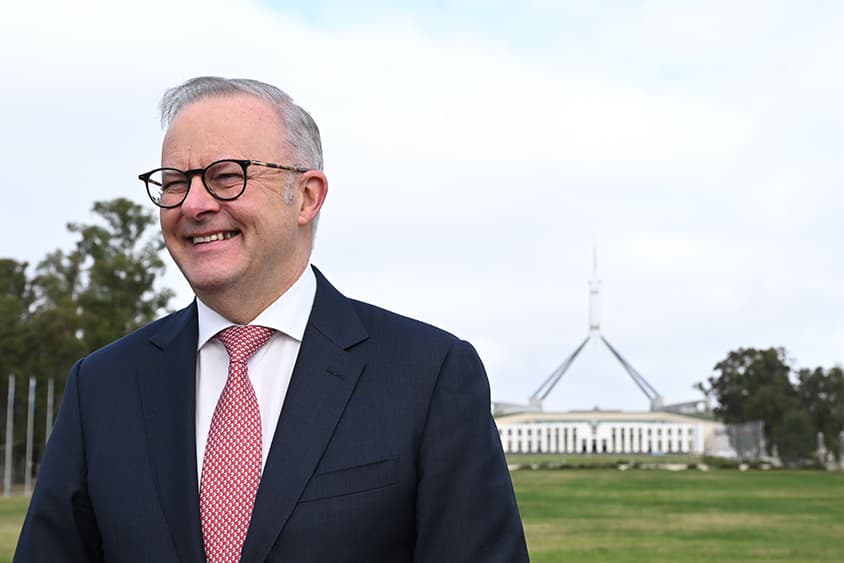
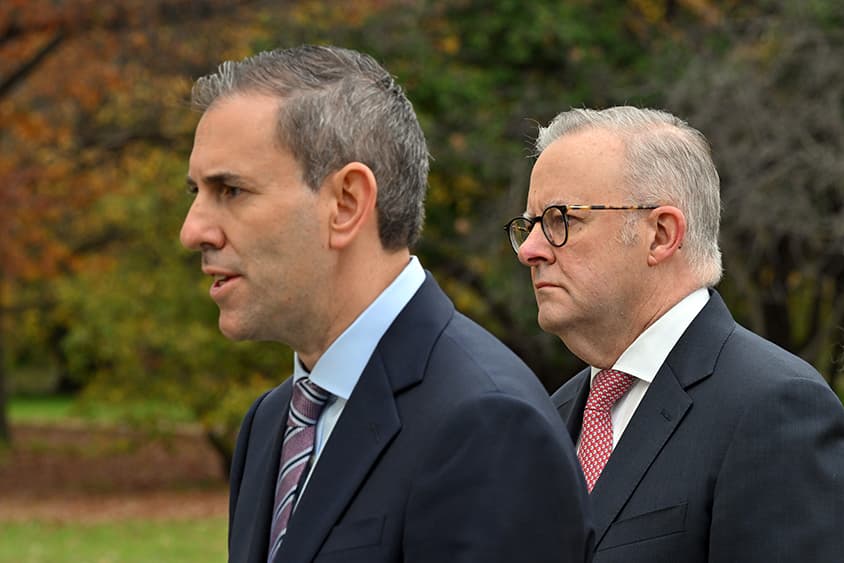
Treasurer Jim Chalmers is reportedly considering scaling back the 50% discount to help address the country’s housing crisis.
New analysis by the Parliamentary Budget Office shows the discount in its current form will cost the budget almost $250 billion in forgone revenue over the next decade.
Professor Stiglitz said he is also in favour of a carbon tax and told the webinar Australia was wrong to axe it.
“You make polluters pay related to how much their emissions are, and we are increasingly aware of the cost of that, the social cost of carbon as it’s called.”
He noted that even without a tax, Australia could still regulate the sector to drive a greener transmission and meet climate targets.
Dr Richard Denniss offered up another measure – stop subsidising fossil fuels.
He also raised the link between climate change, insurance premiums and inflation.
“We often say it doesn’t matter whether you believe in climate change, your insurance company does,” he said.
“Insurance premiums are rising very rapidly in Australia because the number and the cost of disasters have risen very rapidly in the last 15 years.”
He noted the fee increase is driving inflation, pushing the cost of living higher.
“Bizarrely, our Reserve Bank then counters with higher interest rates, which does not push down the price of insurance.
“Unfortunately, I think governments in Australia and around the world believe you can insure your way out of a climate crisis, but insurance companies only insure against unlikely events.
“The minute something becomes likely, the insurance company just doesn’t offer the insurance contract again.”
Professor Stiglitz also said he believes governments need to stop aiming to be a low tax country, pointing to Finland which is “proud that they have a very high tax rate”.
“They believe that that their high tax rate has sustained a high standard of living and a kind of social solidarity.
“They also believe that their government spends the money very well.”
“Taxes are at the core … of a well-functioning society.”
Dr Denniss agreed. “We’re very rich in Australia, but we are just told we’re poor all the time in Australia.”
And that comes down to governments’ priorities.
“Having more revenue gives you more choice,” said Professor Stiglitz.
“I can assure you 25 years from now, one course you’re going to be a much poorer country than you would be on the other course, and you will be a more divided country.”