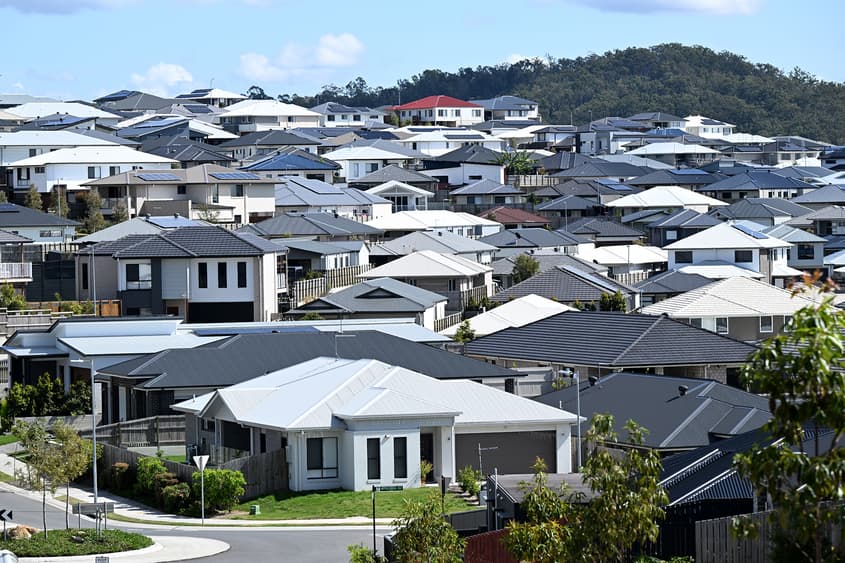
The last time Labor proposed to wind back the expensive and inequitable capital gains tax discounts their vote soared in the highest income electorates.

Wed 11 Feb 2026 08.00
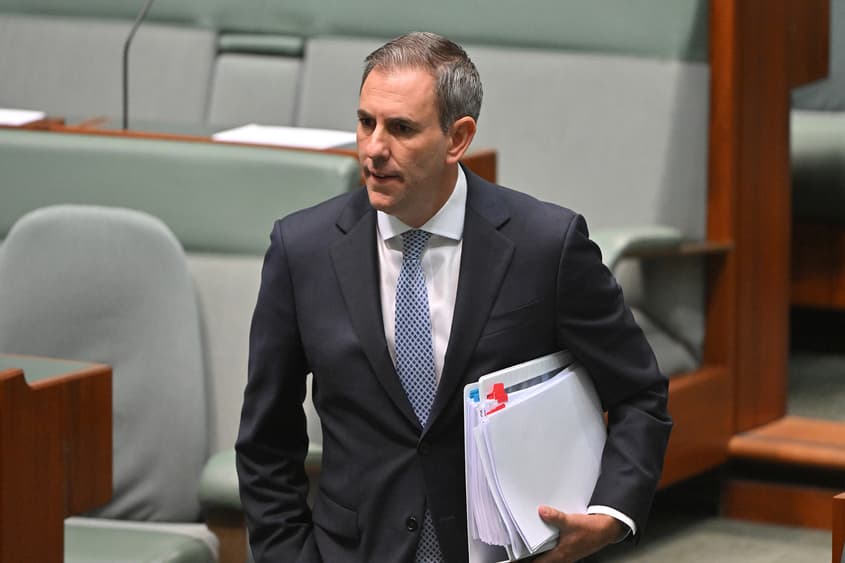
Photo: AAP Image/Mick Tsikas


The last time Labor proposed to wind back the expensive and inequitable capital gains tax discounts their vote soared in the highest income electorates.
While most media commentators think it is ‘common sense’ that those who own investment properties would rage against making Australia a fairer place, Australian Electoral Commission results, which are far more reliable than any poll, highlight just how wrong the media consensus is.
In 2019 when Bill Shorten was Labor leader, he took a bold and progressive tax reform agenda to the election which included halving the capital gains tax discount and only allowing negative gearing for newly constructed houses. Sound familiar?
What pundits seem to conveniently forget, however, is that in the aftermath of Scott Morrison’s ‘I believe in miracles’ election victory, Australia Institute analysis showed that the electorates with the most property investors swung strongly to Labor. And like a dodgy map of Australia that leaves off Tasmania, commentators seem intent to leave out that Labor’s defeat was due to the loss of low-income electorates like Bass and Braddon in Northern Tasmania.
What I said at the time is as true now as it was back then:
“If Bill Shorten was running a class war he was spectacularly successful in recruiting high-income voters with the most to lose to his cause. Landlords backed Labor and their renters backed the Coalition.”
Just as describing all policy issues through the prism of left and right makes doing journalism easy and doing democracy hard, assuming wealthy voters don’t care about anyone but themselves makes for simple stories about ‘the politics of envy’ that do nothing to describe electoral reality in Australia.
Just as there is nothing ‘left-wing’ about supporting freedom of speech or tackling climate change, it’s not ‘ironic’ or ‘counterintuitive’ that people who own investment properties might worry that their kids, and other people’s kids, can’t afford to buy a home.
Capital Gains Tax concessions are estimated to cost the Commonwealth $247 billion over the next ten years. Almost 60% of the benefits of these tax concessions go to the top 1 percent of income earners and, the end result of these tax breaks is less affordable houses.
At the 2019 election, Morrison shovelled just enough money into the seats he needed to win. It was a masterclass in political bait and switch, but a close look at the results makes clear the one group that didn’t fall for it was Liberal voters in safe Liberal seats.
Tony Abbott lost Warringah, and suffered a 9 per cent swing against Labor. Wentworth had the second-biggest swing of 7.9 per cent. Josh Frydenberg lost 6.1 per cent in Kooyong. In Higgins there was another 6.1 per cent swing, then 4.9 per cent in Goldstein and 4.3 per cent in North Sydney.
All of those wealthy electorates saw votes go to Labor, even though voters in those electorates had the most to lose from Bill Shorten’s proposed changes to capital gains tax and franking credit refunds.
Do those seats sound familiar? All the seats won by the Teal independents in 2022 were seats where Labor made large inroads into in 2019.
It’s hard to overstate the significance for Australian politics today of the fact that Labor was so successful at selling a progressive tax agenda to the wealthiest Australians back in 2019. That was the campaign that rocked the foundations of the Liberal stranglehold on wealthy independent seats, and they have been losing them ever since.
Jim Chalmers should be applauded for revisiting the case for capital gains tax reform, it was good policy and politics in 2019 and the same is true today.
It is precisely because CGT reform will help so many Australians that it has been bitterly approved by some among the wealthiest few. But as the 2019 election results show, even the wealthiest electorates in Australia back looking after our kids and, I’m pretty confident in predicting, so too will the Liberal and Nationals parties back the change once it comes time for a vote in Parliament.
Labor knows that if the Liberals and Nationals oppose new laws to make property investors pay more tax, then even more young voters will desert the on-again off-again Coalition. While the potential pain for the Liberals and Nationals is obvious, what is less clear is how Pauline Hanson’s One Nation will vote. Will they side with the battlers or the billionaires? It will be an early test for how, if at all, One Nation will try to unite the interests of their old supporters and their influx of recent converts.
Removing tax concessions that fuel speculation and harm firs home buyers isn’t a left-wing or a right-wing issue, but it is good economic policy that will improve intergenerational equity.
That’s why it’s a good idea to for Jim Chalmers to pursue and it’s also why it’s hard to pick how One Nation will respond. Just like the media’s false memories of what happened in the 2019 election, the determination to categorise all issues as left, right and centre is harming not just the reputation of our media, but Australians’ faith in our democracy.
The goal of our parliamentarians should be to fix the big problems we face, not position themselves on some imagined political spectrum. As we saw in 2019, there’s lots of votes to be had in making Australia fairer. And luckily for the Albanese government, there’s lots of money in it too.
Richard Denniss is the co-chief executive of the Australia Institute. Richard Denniss’ latest Vantage Point essay, Dead Centre: How political pragmatism is killing us, is out now.
Advertisement

In life it is nice to have things you can count on, and every time this year you can absolutely be guaranteed to hear business groups and their friendly economists screaming in fear that the ACTU and the Labor Government’s recommendation for an increase in the minimum wage will cause a recession.

Australia’s peak council for community services ACOSS has joined the torrent of support including the Greens and independent members of parliament for a 25% levy on gas exports, originally proposed by the ACTU.
Combined with the 50 basis points rise in February and March in less than 2 months households are paying the equivalent of a 90 basis point rise in interest rates.