The future of art, culture and technology and the future of humanity are intertwined – but that’s not how most people working in the field understand their influence. This was the key insight from last week’s Future of Art, Culture And Technology symposium – or more aptly, FACT.

Thu 19 Feb 2026 01.00
Photo: AAP Image/James Ross


A friend that you hang around your neck. Device data replacing instinctual understandings of our own bodies. A creative workshop mighty enough to impact an entire nation’s economy. Asteroids coming at our industry from all directions. Radical reframings of intimacy, ethics and care.
The future of art, culture and technology and the future of humanity are intertwined – but that’s not how most people working in the field understand their influence. This was the key insight from last week’s Future of Art, Culture And Technology symposium – or more aptly, FACT.
The fourth of ACMI’s annual symposia, FACT 2026 presented leading practitioners from Australia and around the world to examine how technology shapes the cultural sector. Technology, of course, has long been shaped by creative practitioners; the hand of the maker is still closely associated with authenticity and trust, and this too was an important theme, despite the relentless rush of AI slop.
Take the work of Wētā Workshop, for example, where craft is essential. You may never have heard their name, but you certainly know their work: think Lord of the Rings, The Hobbit and Avatar.
As the animatronics and special effects providers for all the world’s major film studios, Wētā Workshop is one of the biggest creative services companies on the planet, accounting for a significant proportion of the Aotearoa creative sector’s contribution to the nation’s entire economy. Head of Animatronics Ra Smith outlined the workshop’s dynamic, artist-led methodology as a case-by-case process, emphasising the irreplaceable role of carefully crafted work as essential to Hollywood-scale filmmaking.
Can AI ever hope to emulate that? “Look at Kermit the Frog – we know it’s a sock!” And yet, says Smith we’re taken: “Conveying the presence of human life is the challenge”, Smith explained. “We rethink every time.”
As essential as craft to authenticity is narrative. Japanese artist and curator Ryuta Aoki presented his highly tech-driven practice as deeply embedded in traditional practices that reveal the “invisible structures” framing our interactions as human beings.
The intricacy and the sophistication of chanoyu, the Japanese tea ceremony, offers what Aoki described as the most insightful way to understand the quintessential role of narrative and scripting in contemporary art and games. “We are human beings”, said Aoki, “and human beings crave narratives that immerse us into their space and time.”
Human beings also crave human connection. “A friend can send you a text and so if “Friend” texts you”, asked US cyberethnographer, artist and designer Ruby Justice Thelot, “is that friendship?”
Turns out “Friend” is an AI wearable that sits close to your heart in pendant form, passively listening to absolutely everything you do. Rather than speaking back to you, and risking breaking the spell with its clumsy AI voice, “Friend” communicates via text message, sliding right into those spaces where friends know you best.
Thelot’s presentation Is AI Making Us Cyborgs? offered much-needed ethical and philosophical framing for what’s at stake when technology trespasses on the human. Stats from body-monitoring devices, for example, diminish our capacities to perceive and rely on our instincts.
Chatbots fabricate companionship; wearables reduce the body to data generation; tech’s increasing encroachment into control of our experience debases our sense of curiosity and awe. All compete for our attention – and not just a little of it: all of it, captured and monopolised. “It’s impossible to multitask when you’re reading a book,” Thelot observed. “We should be able to engage with reverence and attention.”
Insights like these affirm FACT’s reputation as a REMIX for the real world, addressing the actual realities of tech-driven creative practice.
The symposium addressed the harms of technology in honest, timely ways.
Recognising the mental health crisis in our era of polycrisis, Austria’s Sofia Widmann from Museum Booster guided us through a much-needed “psychotherapy session for cultural leaders”. Australians Jen Rae from the Centre for Reworlding, Tim Shiel from Green Music Australia, Nell Whitley from Marshmallow Laser Feast, and Troy Innocent from the Australian Posthuman Summer Lab, raised the climate crisis alarm. And the Internet Archive’s “Free-Range Archivist”, American Jason Scott, punctuated his adventures through “rage, paranoia, kleptomania” by explicitly naming the fascism in his country. “The best way to die”, said Scott, “is defending your library. As long as we’ve got our libraries, we’re going to be ok.”
The ethics of collections and archival practice in our era of digital ubiquity shape how we see ourselves today and how we’ll be understood in the future. So whose responsibility is it?
The Internet Archive – incorporating the Wayback Machine and the utterly delicious GifCities – relies on the magnificent generosity of its founder and funder. Archiving artists’ work relies on unpaid labour and significant modifications to practice modes, as artist Claire Evans reminded us. Some works worthy of being collected pose cybersecurity risks, like Toby Wong’s I LOVE YOU virus (it was huge in 2000!). Some objects degrade if they’re not used, making collecting itself the risk to their future – and this vexes Robin Fox, the large-scale audio-visual artist whose work you’ve likely seen in a festival night sky near you. Some museums who collect electronic musical instruments refuse to switch them on, fearing they’ll die. “I tell them that the reverse is true”, exclaimed Fox: “turn it on, let people use it until it no longer works, and then you haven’t lost anything!” What most needs preserving is the artefacts of artists being artists, not objects gathering dust.
Taking a use value approach to creative work is equally vital when it comes to influencing the policy and governance that frames art, culture and technology – and in this space, the cultural sector has a lot of work to do.
The symposium’s punchy ending presented writer and governance strategist Kate Larsen, creative policy powerhouse Nick Pickard, and cultural leadership podcaster and academic Samuel Cairnduff reorienting FACT to the political realities.
Poor governance, struggling leadership and declining investment plague the sector.
“Asteroids are coming at our industry from all directions”, said Pickard, “but our industry has a great deal of social capital. Our challenge is to transform that into political capital.” The creative sector can achieve this by unifying effectively, said Pickard, and we’ve got more flexibility to explore governance practices than we think, said Larsen: we need to overcome “ageing models” that yield failure and ensure board members have expertise, said Cairnduff. A “save us” approach never works, cautioned Pickard; we need to be impactful with all sides of politics by being clear about the value of arts and culture.
The issues for policy-makers, largely absent in the room, are rich and urgent.
Indigenous Cultural Intellectual Property; artists’ rights; global diplomacy; arts education; AI. “Credit, consent, compensation” are central to the campaigns Pickard has been leading in the AI space. The future of art, culture and technology depend on a thriving arts sector – and all eyes will be on this year’s second iteration of Revive.
Esther Anatolitis is a writer, creative strategist and national arts leader with more than two decades’ experience shaping Australia’s cultural and public policy landscape
Advertisement
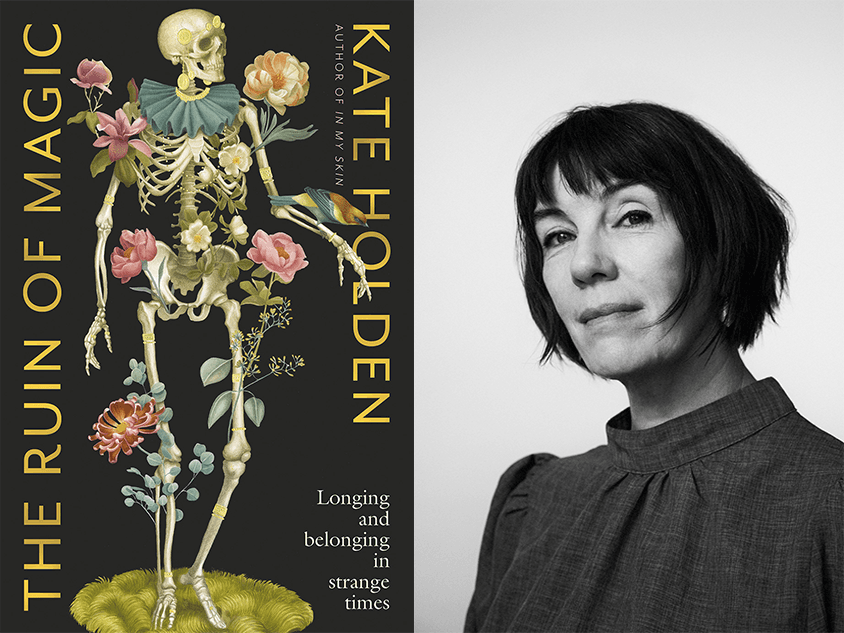
This is an edited extract from "The Ruin of Magic" by Kate Holden, published by Black Inc.
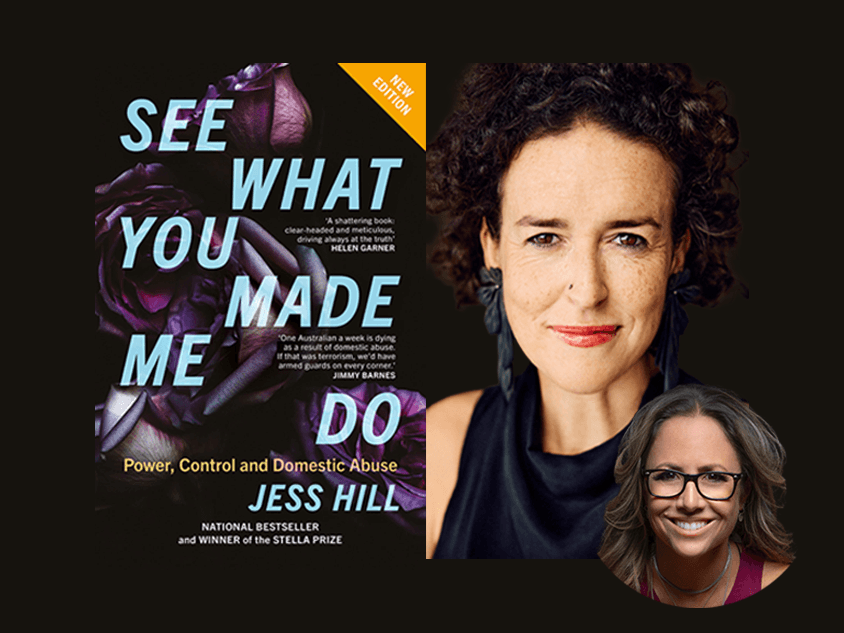
This is the new foreword, written by Clare Wright, for the new updated edition of 'See What You Made Do' by Jess Hill
Last year the Australian National University (ANU) was getting some bad press, so they engaged a company called Bastion Reputation to help with the media fallout from restructures and the heavily criticised leadership of its Vice Chancellor, Professor Genevieve Bell. The meeting cost $6,000, which is more than ANU paid me for a full semester of tutoring in 2023. According to a response to an FOI request, the meeting did not warrant any notetaking and was “not significant”.
Australia has more than $11 billion sitting in philanthropic funds that have already received generous tax deductions. Much of that money is intended for public good, but only a small portion is required to reach charities each year.