Pacific nations step up push for fossil fuel phase-out ahead of global talks
Pacific leaders are preparing to meet in Vanuatu to agree on a unified position ahead of the first global conference on transitioning away from oil, coal, and gas later in the year.
Thu 9 Apr 2026 01.00
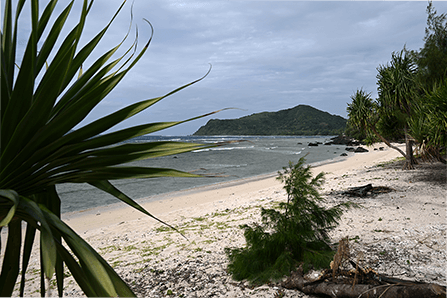
Photo: AAP Image/Joel Carrett


Pacific nations are calling on their “big brother,” Australia, to act as a genuine partner in phasing out fossil fuels, warning it is a “matter of survival” for island communities.
As the world reels from a fuel crisis sparked by the US-Israel war against Iran, Pacific leaders are preparing to meet in Vanuatu to agree on a unified position ahead of the first global conference on transitioning away from oil, coal, and gas later in the year.
“The Pacific did not create the fossil fuel crisis, yet we are paying the highest price for it,” said Vanuatu’s Minister for Climate Change Adaptation, Ralph Regenvanu.
“Our communities are on the frontlines of sea level rise, intensifying cyclones, and the slow erasure of the only homes we have ever known.”
Fuel shortages have seen Fiji hike petrol prices by 20 per cent, while in Tuvalu, government workers have been sent home to conserve fuel.
The Marshall Islands – roughly halfway between Hawaii and Australia – have declared a 90-day economic emergency amid tightening supply.
“For Pacific Islands, leading on climate has never been a choice; it has been a matter of survival for us,” said Joseph Sikulu, Pacific Champion for the Fossil Fuel Treaty.
“Our hope is that we are joined by partners who are ready to take accountability for their actions and help us accelerate the transition away from fossil fuels.”
The Pacific Small Island Developing States (PSIDS), a group of 14 UN-member island nations including Fiji, Vanuatu, Papua New Guinea, Samoa and Tonga, will meet in Port Vila next week for the third Pacific Ministerial Dialogue on the Global Just Transition.
The forum was established in 2023 following two devastating Category 4 cyclones in Vanuatu.
“Pacific Island nations were the first countries to call for a Fossil Fuel Treaty,” pointed out Dr Tzeporah Berman, founder and chair of the Fossil Fuel Treaty Initiative.
“Even before the current supply constraints … these countries have understood the threat dependence on fossil fuels poses to their security and to global climate stability.”
The diplomatic push comes at a critical moment ahead of the First Conference on Transitioning Away from Fossil Fuels in Santa Marta, Colombia later in April.
“The Santa Marta Conference is an opportunity for Australia, our big brother nation in the Pacific, to show up for the future of the region and to show us they are ready to lead on climate alongside us,” said Mr Sikulu.
Forty-six countries have confirmed they will attend the conference, including Australia, the world’s third-largest exporter of fossil fuels, behind Saudi Arabia and Russia.
The aim is to boost momentum for a unified, managed phase out of oil, coal, and natural gas.
The talks will continue at COP31 – the 2026 UN Climate Change Conference – to be held in Turkey in November.
Australia is serving as the President of Negotiations, with the Pacific to host a special pre-COP to bring attention to “the existential threat climate change poses to the region”.
In a joint statement, Prime Minister Anthony Albanese and Minister for Climate Change and Energy Chris Bowen said the arrangement would “give Australia and the Pacific unprecedented influence over multilateral deliberations and actions of the global community in 2026.”
Related Articles
Australia has significant power in the world, we should be using it more wisely
Australia is not a small nation with no agency.