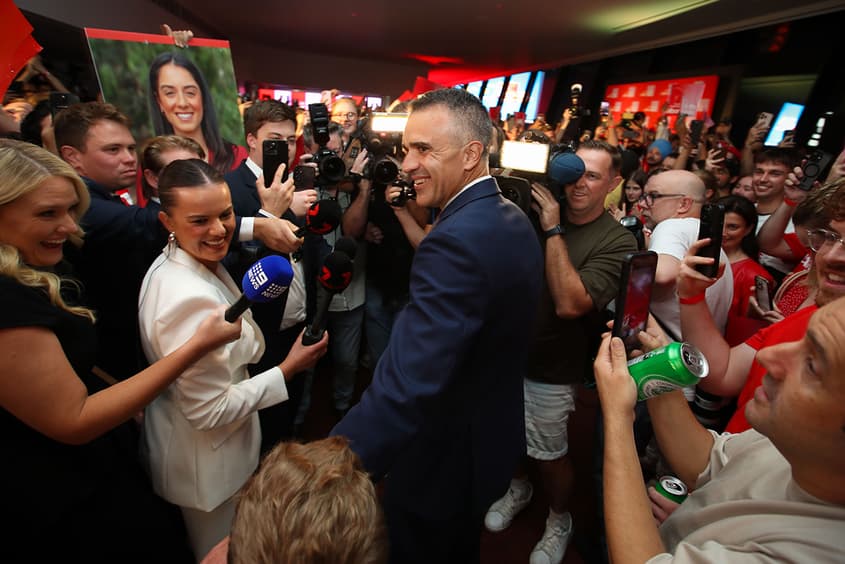
The arbiters of ethical public spending have an odd set of tools at their disposal, to judge by the dismal saga facing Anika Wells and Don Farrell, among others.

Wed 10 Dec 2025 06.00
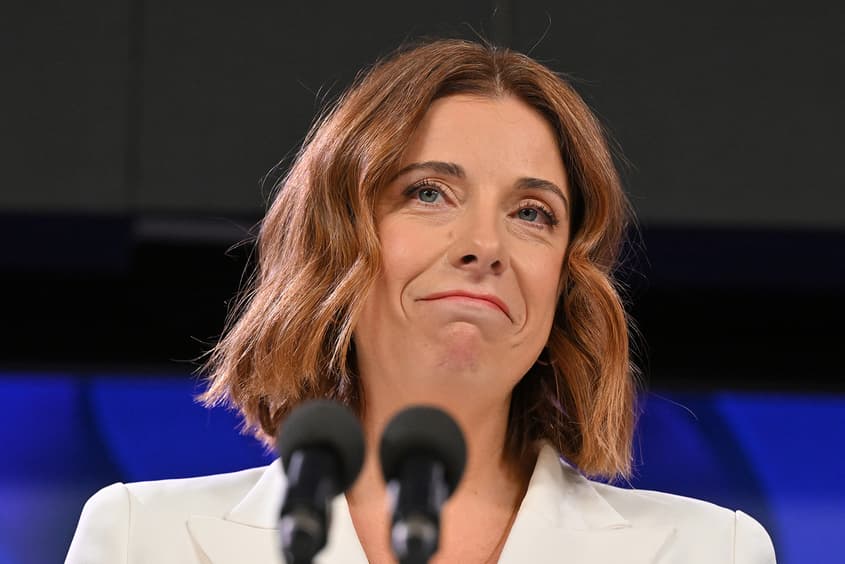
Photo: AAP Image/Mick Tsikas


The arbiters of ethical public spending have an odd set of tools at their disposal, to judge by the dismal saga facing Anika Wells and Don Farrell, among others.
“Community expectations” is a weasel-word description of a non-existent lowest common denominator. There are too many communities and too few expectations for the expression to make any sense. Then there’s “the pub test”, where a bunch of generally intoxicated bar flies – mostly blokes – settle on another lowest common denominator. And, of course, there’s “the sniff test” where, presumably stench indicates impropriety. Tell that to the insects that flock to the amorphophallus titanum (corpse flower) that bloomed at Canberra’s National Botanic Gardens earlier this year.
The politicians’ lifestyle, and that of their staffers, is unlike almost any other. Perhaps FIFO workers in remote locations experience something similar. Hardworking politicians – there are some – and Ministers put in a pretty full day at Parliament House, often from 6am to 11pm. When Parliament is not sitting, they work pretty hard in their electorates. Family time is at a premium. So is the downtime necessary for good physical and mental health.
As a former Ministerial chief of staff, I know just how difficult it is for Ministers and parliamentarians to balance governmental responsibilities with those of availability to spouses and children, particularly infants and pre-schoolers. Video calls may be an improvement, though the plaintive “when are you coming home” frequently brings on the tears. Too often, the pre-dinner break question is, “Why do my afternoon chats with the kids make me feel such a total shit?”
Pollies deserve consideration. Their working conditions are awful, and their lifestyle even worse. So, instead of resorting to the politics of envy, making politicians feel like heels for bringing their families some respite, and even some reward, by means of a couple of days at a pleasant hotel or BNB, why not reinforce the virtue, even the necessity, of a sensible practice? It looks like a perk, and it is. But it is a necessary one.
A couple of trips per year, even if it includes an excursion or a football match, is peanuts in the overall scheme of spending on our Parliament and its denizens. Of course, the allowances need guidelines and accountability. Instead of the perverse incentive of family time at the QANTAS museum at Longreach, a surf carnival at Bells Beach or, heaven forfend, a toboggan ride at Thredbo, perhaps it is time to cash out the benefit and allow our politicians to spend their own money without having to run the gauntlet of public envy and indignation.
Just like politicians salaries, which vary according to parliamentary roles (committee memberships and chairmanships) and party leadership positions, so family reunion benefits might vary according to the number of family members and the distance from Canberra. Politicians should be able to determine the best way of managing their family responsibilities without having to beg forgiveness for attending an AFL match or, even more culturally reprehensible, a State of Origin game at the Suncorp Stadium in Brisbane!
But, like everyone else, our politicians deserve a fair go.
Allan Behm is an advisor in the Australia Institute’s International & Security Affairs Program.
Following a career spanning nearly 30 years in the Australian Public Service, he was Chief of Staff to Minister for Climate Change and Industry Greg Combet (2009 to 2013) and senior advisor to the Shadow Minister for Foreign Affairs, Senator Penny Wong (2017-19).
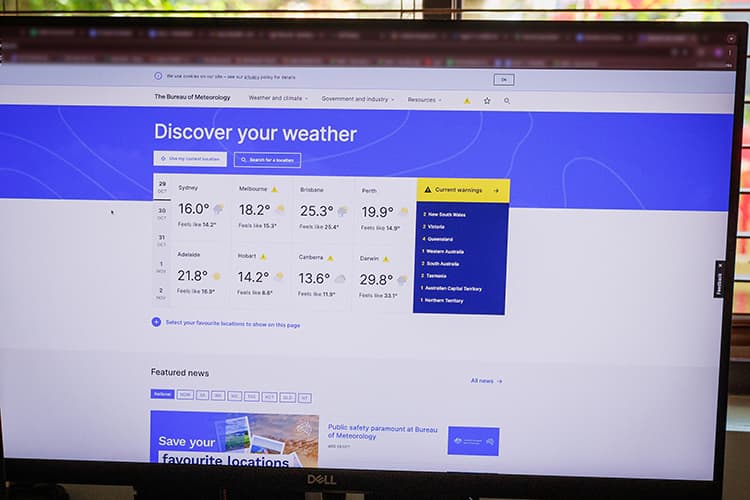
The consulting firm behind the Bureau of Meteorology’s (BoM) heavily criticised website has been awarded another multi-million-dollar government contract to build a new climate platform.
The easiest way to understand the structural shift taking place in Australian politics is to understand that you can now win a landslide majority of seats in parliament even when your primary vote declines.
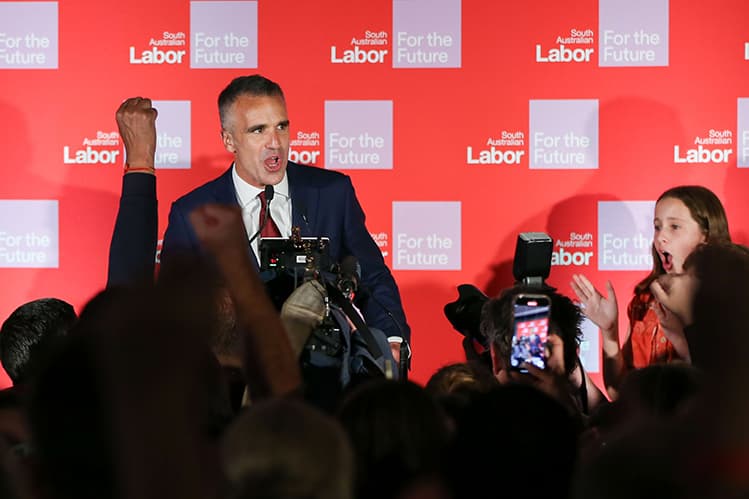
On Saturday, South Australians voted decisively to re-elect the first-term Malinauskas Labor Government. While we don’t know exactly how the 47 lower house seats will fall, Labor will have a super-majority having won about 35 seats.