Climate impacts ranging from fires, floods, heatwaves, extreme cyclones and drought are already reshaping communities, livelihoods, and insurance policies across Australia.

Mon 19 Jan 2026 06.00
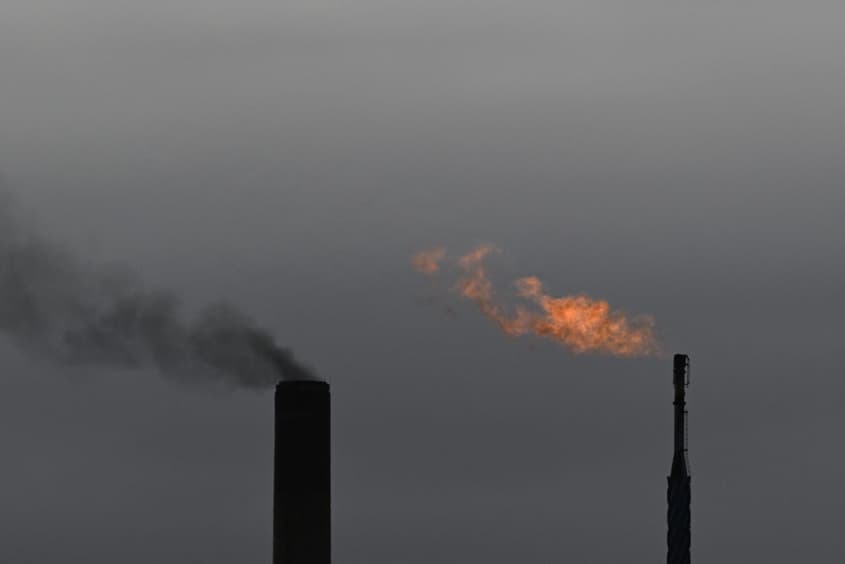
Image: AAP Image/Dean Lewins


In December 2025 the Federal and Victorian governments made a joint decision to open multiple new gas exploration tenders offshore of the Victorian coast.
It was framed as pragmatic resource planning for more gas into the (distant) future. But it’s increasingly clear that investing state resources and political capital in new oil and gas is detached from economic reality, public sentiment, and the urgent need for climate action.
Analysis from the Australasian Centre for Corporate Responsibility found that major oil and gas companies would deliver about US $78 billion more value by stopping fossil fuel exploration and returning capital to shareholders instead of hunting for new reserves.
Fossil fuel exploration is not a growth engine; it’s a drag on returns.
That economic argument resonates with public opinion. Polling shows a strong mandate for government action in the gas sector: an overwhelming 86 per cent of Australians support intervention either through export controls or a windfall profits tax, and 80 per cent back export controls when local demand isn’t met.
Another survey found 61 per cent say Australia exports too much gas, with similar majorities supporting export taxation.
The Australian Council of Trade Unions have proposed a 25 per cent tax on all gas exports from Australia. Analysis by The Australia Institute revealed that replacing the broken Petroleum Resource Rent Tax (PRRT) with that tax would raise more than $17 billion a year, enough to quadruple Commonwealth spending on housing.
This matters because the current approach isn’t delivering for everyday Australians. Consider global energy giant Inpex’s admission that Australian extracted gas is being on-sold for export profits, even as domestic consumers struggle with high energy costs.
Local households and industry don’t get priority. This gas is destined for international markets.
Meanwhile, Inpex operations export more gas from the Northern Territory than entire eastern states consume, pay no PRRT and have paid little or no corporate tax on vast export earnings.
These deals extract value from Australia while leaving families and manufacturers to shoulder the price pain and exacerbating dangerous climate change.
Public mood is clearly shifting away from fossil fuels and toward cleaner, more secure energy. A nationally representative Lowy Institute poll finds that 75 per cent of Australians want renewables to play a major role in the energy mix, while most Australians see gas’s role as minor by 2050.
Another survey reports 73 per cent believe Australia will benefit from shifting to renewable energy, and 71 per cent want the government to invest more in renewables, far outpacing support for more gas.
Even when just prioritising energy cost and reliability, Australians back the transition. A recent survey shows about 59 per cent support moving away from fossil fuels toward renewables.
And large national polls find most Australians want more climate action included into environment laws, and assessments for fossil fuel projects, with about 70 per cent backing climate safeguards against new coal and gas developments.
These numbers don’t just reflect energy preferences; they reflect a growing consensus that the future should be clean, secure, and building towards a phase out of fossil fuels, not a bonanza for global fossil fuel companies.
These views also align with climate science, as former Australian Defence Force Chief Admiral Chris Barrie recently warned:
“Unchecked climate heating is the greatest threat to human security we face, more dangerous than geopolitical conflict”.
Climate impacts ranging from fires, floods, heatwaves, extreme cyclones and drought are already reshaping communities, livelihoods, and insurance policies across Australia.
Despite this, policymakers continue to treat gas expansion as critical to energy security, even when there is enough uncontracted gas to meet domestic gas needs without new exploration or approvals.
Yet, energy prices continue to rise as gas exports expand. Opening new gas fields isn’t pragmatism, it’s destructive denial.
It doubles down on a fossil fuel strategy that enriches multinational corporations while failing to lower prices at home, reduce emissions, or secure a clean-energy future.
Rather than expanding the fossil fuels, we should be pursuing a managed phase-out of fossil fuels (as we signed onto at COP30 to do), investing in renewables, storage, efficiency and the skilled jobs they support.
The economics, the science, and the national interest all align. Continuing to explore for more oil and gas in the face of a growing climate crisis and public will for change is not courageous policy, it is clinging to a past we can no longer afford.
Advertisement

The Australian Government lets foreign owned gas companies export vast amounts of gas above and beyond what they need to fulfil their export contracts, while leaving Australians short.

A permanent ban on fracking is back on the agenda in Tasmania with the Tasmanian Greens planning to introduce a bill to ban the harmful practice in the opening days of parliament.

New analysis shows Japan is emerging as a major player in global gas trading, despite producing no liquefied natural gas of its own – and it’s all thanks to Australia.