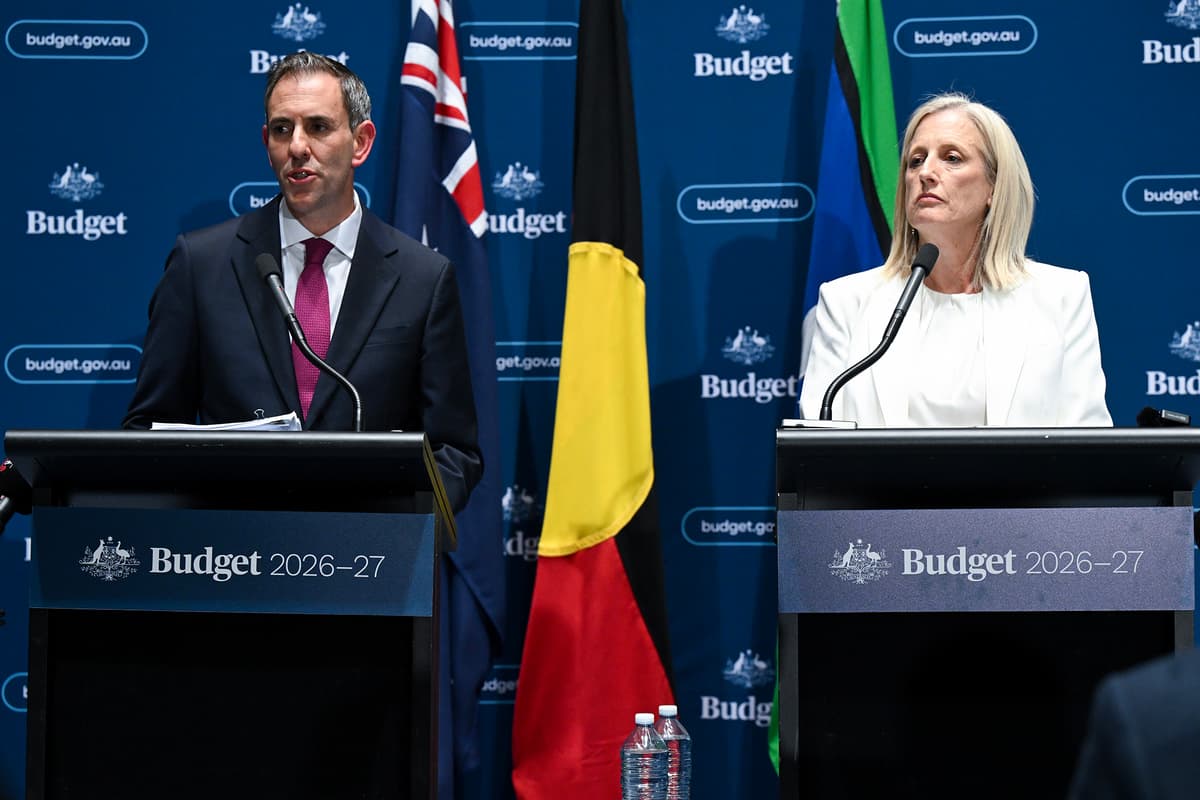
When it comes to tax, the Labor Government wants us to believe they have an appetite for reform. Since their election in 2022, they have restructured the Stage 3 tax cuts, increased the taxation of very large superannuation balances and raised the low-income tax offset threshold. Each of these progressive reforms have improved equality and women’s economic security. With this week’s budget, they have stayed on trend and announced significant reform to capital gains tax and negative gearing.
From 2027, the 50% capital gains tax discount will be replaced by an indexation model, with a 30% minimum tax on capital gains. This will be coupled with a restriction of negative gearing to new builds. This is good news for women, who currently receive only two fifths of the benefits of the capital gains tax discount and rental deductions including negative gearing. The Government estimates this will increase their coffers by $3.6 billion over the next five years.
This tax reform is one piece in the economic security puzzle for women, and it is a very welcome and hard-won piece. Advocates and feminist tax nerds will be celebrating this win, even if the rest of the tax reform in this budget feels like edge tinkering and lacks any acknowledgment of how women might be left behind by non-progressive tax rates.
Capital Gains Tax reform is a taste of the kind of bravery we should expect from a government with such a significant majority. Another taste is the $218m to implement the actions in Australia’s first stand-alone First Nations led plan to end family, domestic and sexual violence for Aboriginal and Torres Strait Islander women and children.
The funding to address the weaponisation of the child support scheme ($182 million over four years) is also a win for the women of Australia. For the first time since the introduction of the Australian child support system, the Government has acknowledged that it is a gendered system that is routinely weaponised against women. In 2026, there is more than $2 billion in child support debts, seriously impacting the economic security of single mothers and their children. This newly announced funding will finally shine a light on the abuse, coercion and violence underpinning Australia’s child support system.
There are things worth celebrating in this budget.
But when compared with the almost $7 billion for defence over the next four years – these measures seem like a delicate touch.
When faced with the opportunity to be truly progressive and brave, the Labor Government continues to jump at shadows. Instead of significant investment in ending gender-based violence, the Government has chosen to cut payments for people with disabilities – increasing their already heightened risk of expe-iencing gender-based violence. Instead of increasing payments for the most marginalised people in Australia – many of them women – the Government has chosen to massively increase spending on defence.
We are repeatedly told that we are living in ‘unprecedented times’ of global insecurity.
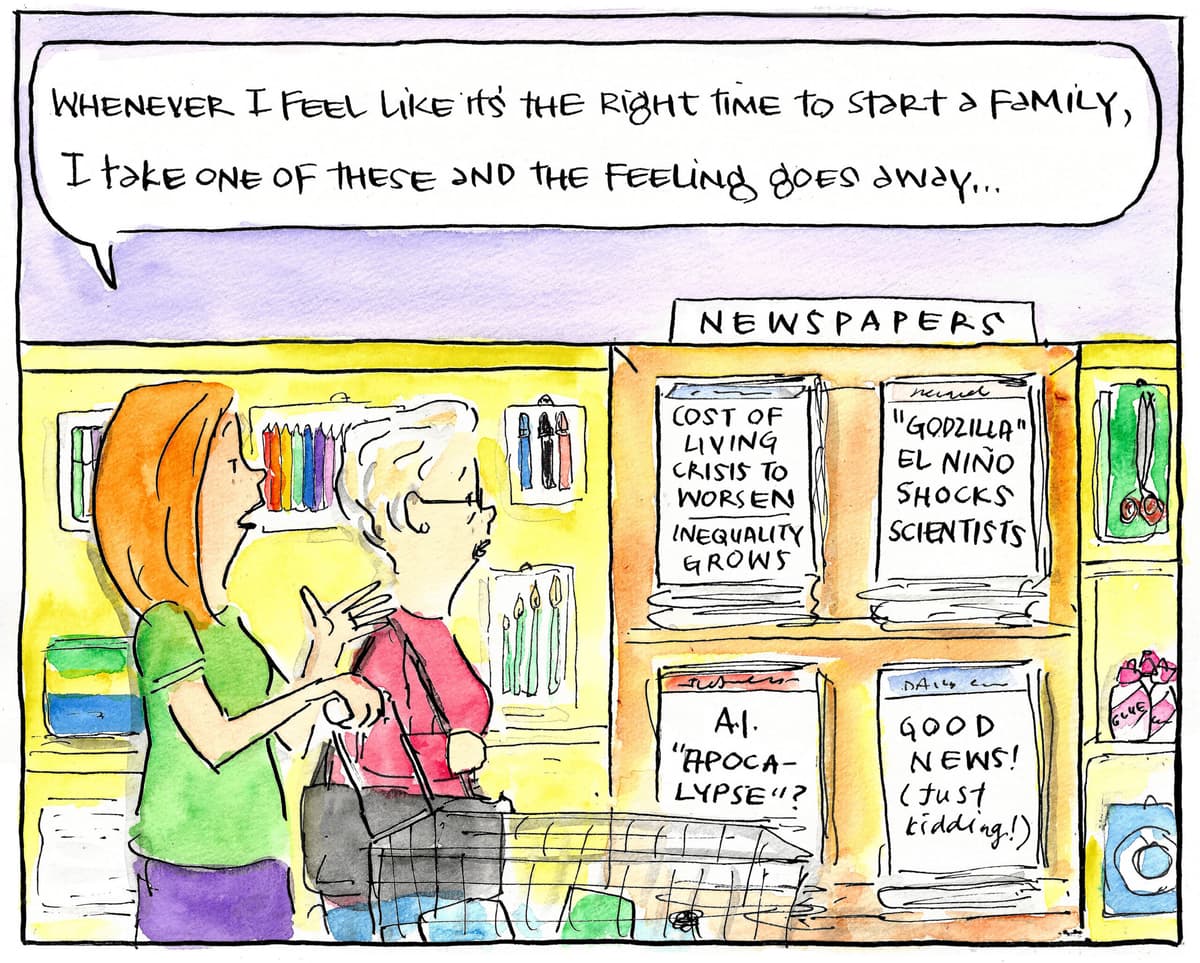
But if not now, then when is the right time to invest in women’s safety, security and equality? Should we wait until 400,000 more people are unemployed, as is predicted to happen by the end of the year? Should we wait until even more women die or are permanently traumatised at the hands of intimate partners?
What is the use of winning an election with such a landslide if it does not give the Government permission to act fiercely, courageously, and in the interests of the people? What is a commitment to gender equality if it is not followed by a significant investment and a commitment to restructure the systems that entrench inequality?
The Labor Government prides itself on its progressive stance on gender – in global gender equality rankings, we have moved from 50th to 13th since the 2022 election and we have an unprecedented number of women in positions of power.
This year’s budget dulls that pride, with life‑altering cuts to disability payments replacing any sense of bravery with bitterness.
Dr Gemma Killen is the Executive Director of the Working with Women Alliance. The Working with Women Alliance is funded by the Commonwealth Office for Women to provide evidence based, intersectional advice and civil society expertise on gender equality and women’s safety.