In early December, the papers raged at politicians’ use of travel entitlements. The media has a short memory.

Thu 15 Jan 2026 06.00
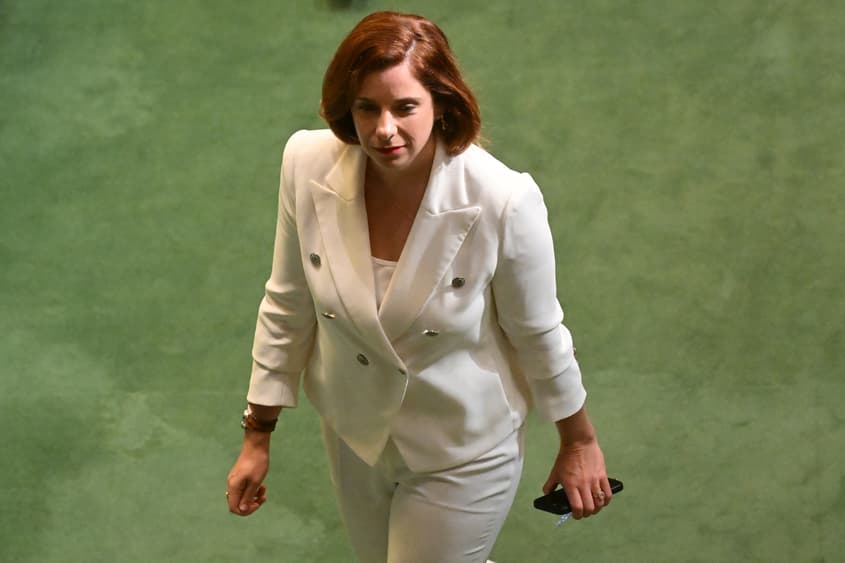
Image: AAP Image/Lukas Coch


In early December, the papers raged at politicians’ use of travel entitlements.
The headline figure was that it cost $100,000 for Communications Minister Anika Wells, a staffer and a public servant to travel to the United States. Her purpose was to promote the Albanese Government’s under-16 social media ban at a United Nations General Assembly event.
Minister Wells’ judgement was sound. The policy needed to be championed, and the United States was the right place to do it – because it is in the United States that the tech industry wields the most political influence.
The media has a short memory.
Just a couple of weeks before the expenses story broke, Republican committee chair Jim Jordan called Australian eSafety Commissioner Julie Inman Grant to come to the United States to testify before his powerful House Judiciary Committee. He wanted to question her about Australia’s attempts to take down violent and extreme content from social media platforms. Defying the committee would put Ms Inman Grant at risk of contempt charges if she ever returns to US soil.
Congressman Jordan, who has already called Ms Inman Grant a “zealot”, took the opportunity to accuse her of colluding with “some of the entities with the worst track records of extraterritorial censorship, including the European Union and Brazil”.
Now more than ever, the United States needs to hear a defence of Australia’s digital policy and why imposing rules and regulations on the Internet is not censorship.
Australia is a target for the big tech companies and their apologists because the country leads with its chin. Australia’s news media bargaining code, creation of a dedicated eSafety Commission and under-16s social media ban have all inspired other countries to dare to take on Google, Facebook and Elon Musk’s X.
Yet when Ms Inman Grant came under attack from a right-wing American politician, there was little uproar from the media. Instead of defending this country and its ambitious tech policies from foreign interference, the newspapers and talking heads went quiet.
If Australia’s digital regulations are to make the internet a safer place, the country needs allies and imitators. One country standing alone makes easy pickings for the tech giants. What better forum to make a pitch for global cooperation than the United Nations General Assembly?
What makes the travel expenses media pile-on particularly unjust is that Minister Wells was in the United States explaining and promoting a policy that the media campaigned for. The social media age ban happened at the behest of the Murdoch media – over the heads of those rightly concerned about a ban’s effect on isolated and lonely young people.
Indeed, Prime Minister Anthony Albanese has been diligent in repeating News Corps’ slogan: “Let them be kids” – the same slogan splashed across the Sydney Harbour Bridge to “celebrate” the ban’s imposition.
Fat lot of good it did the Government. An ungrateful media blasted Minister Wells for the very trip that defended the media’s pet policy – and was MIA when Australia’s eSafety Commission came under fire.
Australia needs allies in the fight to hold tech companies to account, and the lesson for the Labor Government is that it cannot depend on fairweather friends in the media.
Australia is not a small country. Whether measuring by economy, cultural impact or political influence, Australia has significant power, and the agency that goes with it. The news media bargaining code inspired reform efforts in Canada and New Zealand. The age ban has imitators in Malaysia, Europe, Papua New Guinea, Brazil and New Zealand. Though Australia was the first to establish a dedicated online safety commission, there are now several for eSafety to coordinate with.
With Mr Musk’s Grok chatbot now generating child sexual abuse material on request, the case for international action to hold tech companies to account has only grown stronger. Malaysia and Indonesia have already blocked Grok and the UK, France, EU and India are considering their options.
There is strength in numbers. Every imitator forces the digital giants to split their focus. Every recruit is an inspiration to countries that are yet to act. And every ally is a chance to collaborate – on catching cross-border criminal gangs and tracking exploitative and extremist material to its source.
Good on Communications Minister Anika Wells and her staff for making the quick turnaround flight to the US to defend and promote Australian policy. With Australian regulators under attack from Republican politicians, I would have expected the media to be begging her to make more such trips – not criticising her for the one she did take.
Bill Browne is Director of the Democracy & Accountability Program at The Australia Institute.
Advertisement
Electoral reform advocates are calling for the Albanese Government to follow the lead of state Labor governments and remove political parties from Australia’s federal postal vote process.
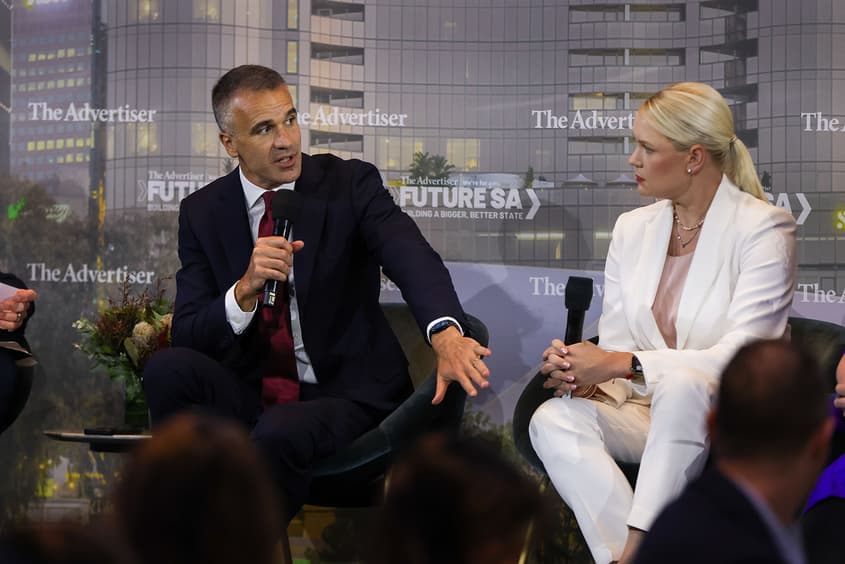
The latest voter polling gives the Malinauskas Labor Government a commanding lead one month out from the 21 March state election in South Australia. South Australia does not need a strong Opposition party, but it does need a strong Parliament. As sensational as a Liberal lower house wipe out would be, it is in the upper house where a Labor landslide would have the most immediate effect.
The rise of One Nation creates a surprising opportunity for progressive voters. There are now “safe” Liberal and National seats where One Nation could do very well.