In 2024, The Australia Institute found that Australia’s are likely to buy over $1 billion worth of unwanted gifts, much of which is likely to end up in landfill. There is no reason to think this year will be any different.
Sun 28 Dec 2025 06.00

Photo: AAP Image/Steven Saphore


In 2024, The Australia Institute found that Australia’s are likely to buy over $1 billion worth of unwanted gifts, much of which is likely to end up in landfill. This was an increase from the estimated $921 million worth of unwanted holiday gifts in 2023. Approximately 275,000 tonnes of waste is produced during the holiday period – from unwanted gifts, Christmas trees, wrapping paper, food waste, decorations, packaging and other holiday celebration materials.
There is no reason to think this year will be any different. In September 2025, Deloitte’s annual Retail Holiday Report projected that consumers would spend an almost 14% more compared to last year. The report captures the period from November, including everything from Black Friday sales to the Boxing Day holiday trading period. Roy Morgan’s 2025 Christmas Gift Buying survey found that shoppers will spend an average of $757 each.
In a joint survey released in November this year, Roy Morgan and the Australian Retail Association (ARA) claimed Australians were set to spend a record $6.8 billion during the Black Friday-Cyber Monday weekend alone; this is a 4% increase from 2024. This could be because almost one-in-three shoppers (29%) say they are buying gifts earlier than in 2024. Australia’s overall spending over the holiday season is expected to be $12 billion, up $200 million from last year.
Cheap online shopping
The survey says that people are motivated to buy gifts because of low prices, great deals and the opportunity to save money, so it is pretty safe to assume that a significant number of shoppers will buy cheaper gifts. This is backed up by Deloitte’s Retail Holiday Report, which found that many shoppers would bargain hunt during November sales events or purchase from Chinese online marketplaces (think Shien and Temu).
The onslaught of cheap online marketplace purchases from platforms such as Amazon, Temu and Shein has become so excessive that Australia Post CEO, Paul Graham put out a statementsaying that “we’ve got people sort of hooked into this drug of the cheapest product available.” He also said “Our research shows us that by about 2030, Amazon and the other key platform players, Temu and Shein, will control around 50 per cent of the online market in Australia. It’s about 25 per cent today.”
Mr Graham’s assertions may be validated by recent reports that Temu and Amazon gained almost one million shoppers in 2025, and that Shein netted half a million.
The integrity of some of these online marketplaces has been an issue. The CEO of Australian fashion retailer, The Iconic, Jere Calme has questioned whether competitor platforms such as Shein can match his company’s efforts to have a supply chain that is free from slave labour.
Shop local, waste less
If Australians want a sustainable retail landscape, Mr Graham urges Australians to support small- to medium sized businesses who produce niche products. This could be a critical factor in reducing waste from unwanted gifts. If more gifts are purchased from local businesses who make niche products, then it might lead to less money spent on cheap, disposable imports and the waste they create. It will also help foster a more sustainable domestic retail supply chain.
Rather than buy the cheapest mass-produced online trend, holiday shoppers can help reduce waste by buying locally made niche products. Another good strategy is to ask loved ones what they want to receive for Christmas, so we can all help save money and the environment.
The Albanese Government is being urged to rule out changes to the Electric Car Discount in the May budget, as global fuel volatility intensifies pressure to ease the cost of living.
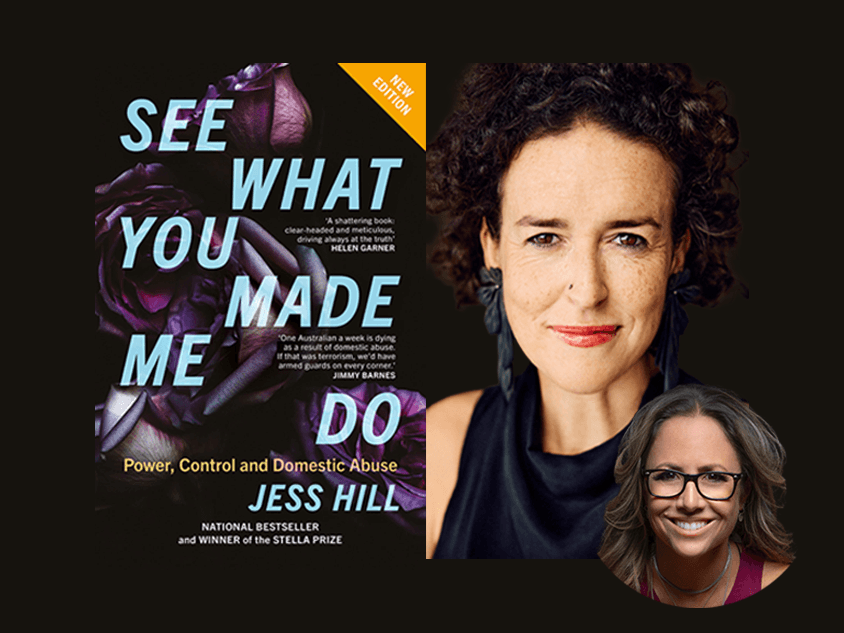
This is the new foreword, written by Clare Wright, for the new updated edition of 'See What You Made Do' by Jess Hill
Advertisement
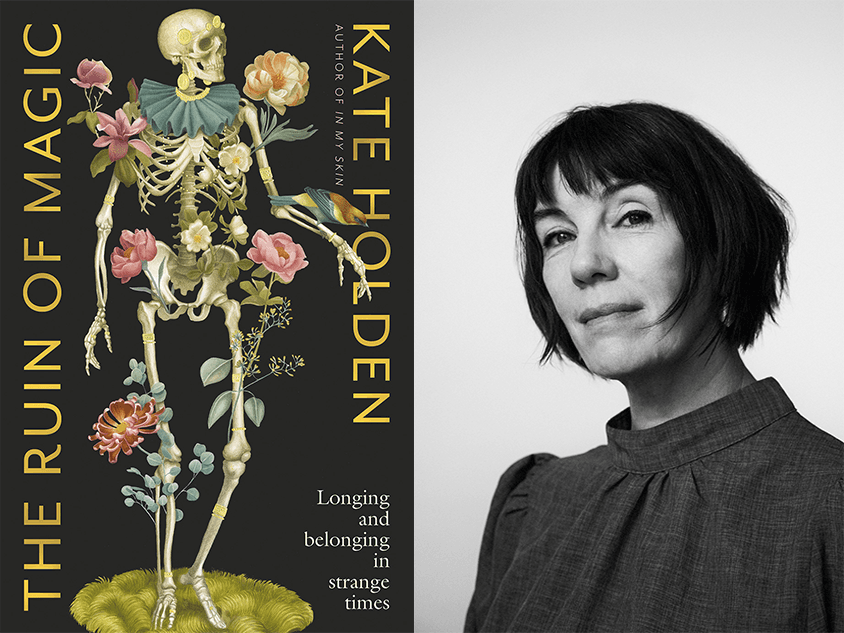
This is an edited extract from "The Ruin of Magic" by Kate Holden, published by Black Inc.
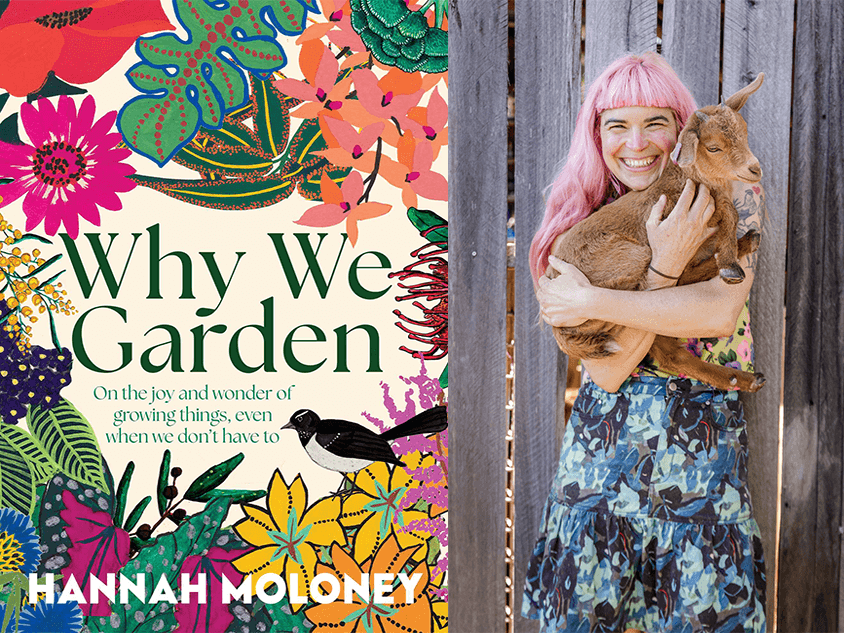
An edited extract of 'Why We Garden' by Hannah Moloney, available in stores nationally from April 14.