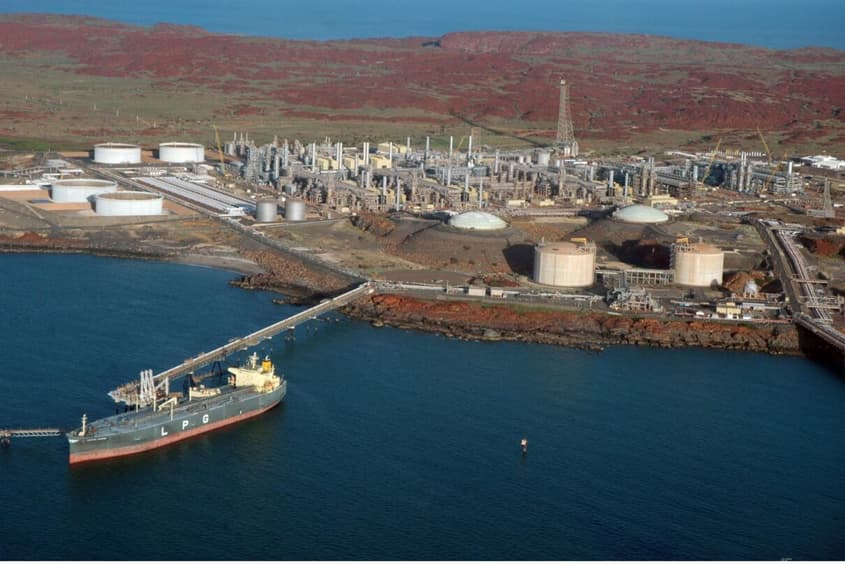
On Monday, journalists asked if a 25% export tax that help pay for cost-of-living relief would “just increase demand and worsen inflation”. No, it will lower inflation.
Tue 24 Mar 2026 11.00
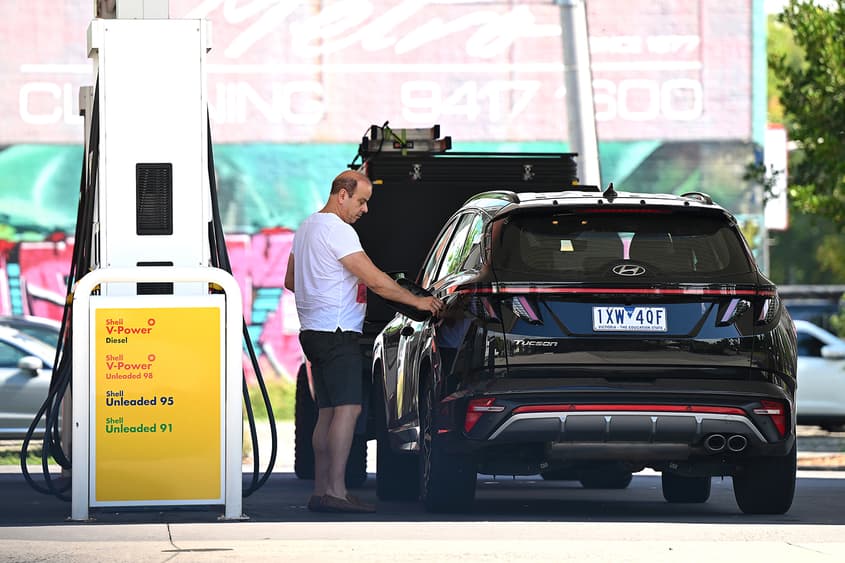
Photo: AAP Image/James Ross


Will a 25% gas export tax cause higher inflation?
On Monday, journalists asked if a 25% export tax that help pay for cost-of-living relief would “just increase demand and worsen inflation”.
No, it will lower inflation.
Fact: A gas export tax works to reduce inflation – it would actually help reduce prices for gas and electricity in Australia.
An export tax on gas only applies to gas exports – that is gas which is not consumed by Australians. This means it cannot cause the price of gas to rise here in Australia.
But a gas export tax also makes supplying gas to Australia more attractive to gas companies – because they would avoid paying the export tax. Gas companies love to avoid paying tax!
As a result, a gas export tax would actually work to increase the supply of gas to Australians. More supply reduces the price pressures on gas and electricity in Australia.
There is only so much gas needed in Australia, so gas companies would need to compete to be the ones to supply that gas to Australian businesses and households. They would do this by offering lower prices – up to 25% below the world price (the price paid for gas exports).
We also know that gas and electricity prices more together in Australia because of the way the National Energy Market operates. As a result, lower gas prices for Australians also means likely lower electricity prices:
In 2023-24 the government introduced an energy supplement of $175-$250 for households who held relevant state or commonwealth concessions, or received Family Tax A or B benefits, in 2024-25 this was expanded to all households for $300, and was extended for 6 months in the latter half of 2025.
This served to lower inflation because the consumer price index measures the cost of electricity paid by households.
Some economists worry however that were the government to institute a similar subsidy it would increase inflation because it would free up money for households to spend elsewhere and thus fuel demand.
We know from 2023-24 to the end of 2025 however that this did not happen – inflation fell during this period.
Also, the $300 energy supplement cost the government $3.5bn, whereas a 25% tax on gas exports would raise between $15bn and $17bn each year. This means the cost of the supplement would easily be paid for by the tax and would mean the government is reducing the amount of demand in the economy – ie reducing inflationary pressures.
A 25% tax on gas export would reduce inflation.
It would lead to cheaper gas and electricity prices for Australians
Electricity subsidies and other cost of living relief such as lower medicine prices, actually lowers inflation.
The $15bn-$17bn a year could be used by government to provide cost-of-living relief without adding to inflationary pressures.
New analysis of the national accounts reveals that all of the increase in inflation in the latter half of 2025 was due to increased profits, rather than inflationary pressures from a tight labour market or rising labour costs


The claim is true. Japanese companies are on-selling a lot of Australian LNG and making a lot of profit while doing it.
The gas export industry has been free riding off Australians for decades.