New analysis of the national accounts reveals that all of the increase in inflation in the latter half of 2025 was due to increased profits, rather than inflationary pressures from a tight labour market or rising labour costs
Tue 24 Mar 2026 10.00
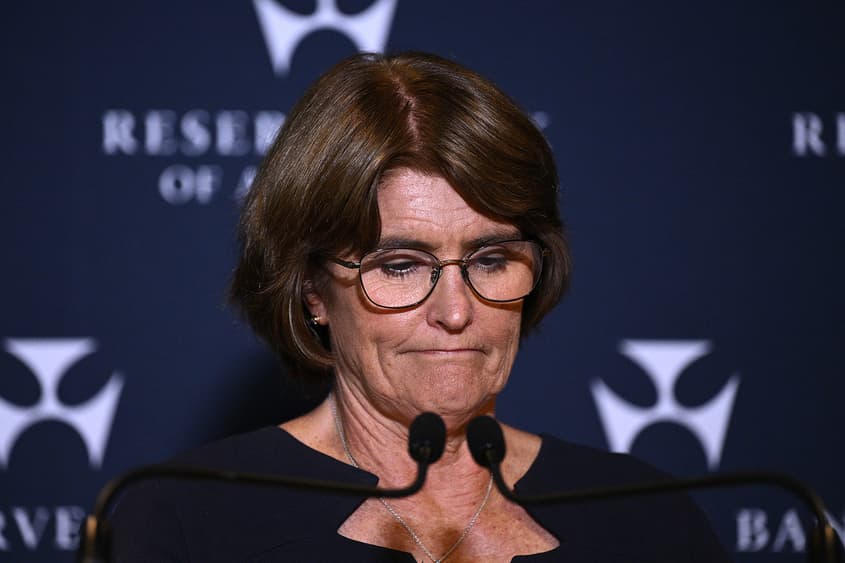
Photo: AAP Image/Dan Himbrechts


New analysis of the national accounts reveals that all of the increase in inflation in the latter half of 2025 was due to increased profits, rather than inflationary pressures from a tight labour market or rising labour costs
When the Reserve Bank increased interest rates last week, the governor talked a lot about the labour market and the need to reduce capacity pressures. But she and the RBA board made no mention of what is actually causing inflation to increase – profits.
The Reserve Bank has been notably worried about rising inflation in the latter half of 2025, but it has diagnosed the wrong cause.
When it raised interest rates in February, the RBA suggested that “the staff’s overall assessment was that the labour market was a little tighter than consistent with full employment” and Michele Bullock told reporters that “we know that unit labour costs are running still quite hot”.
A month later, the December quarter national accounts showed that non-farm unit labour costs fell 0.8% in real terms in the last three months of 2025, and the 0.2% increase in nominal terms was the smallest quarterly increase for more than 5 years.
When it again raised rates in March the RBA board statement once again suggested the pickup in inflation was due to the labour market: “while part of the pick-up in inflation is assessed to reflect temporary factors, the Board judged that the labour market has tightened a little recently and capacity pressures are slightly greater than previously assessed.”
Governor Bullock then opened her press conference by noting that “the labour market has tightened a little recently, rather than being stable as we’d expected.”
Two days later, the February unemployment figures showed that unemployment had risen from 4.1% to 4.3%.
Such misreading of the economy goes to the error of the Reserve Bank in claiming the pressure of inflation is coming from the labour market.
The Reserve Bank’s position, as stated by Governor Bullock in a Q&A at the AFR Business Summit, is that a tight labour market means unemployment must rise. She noted that “if the labour market remains tight and there’s continued pressure on inflation, then one of the things that’s going to happen, is the unemployment rate will probably have to rise.”
So, if the RBA is wrong when it believes inflation is rising because the labour market is tight, that means it is causing higher unemployment through higher interest rates for no good reason.
Unfortunately, the Reserve Bank has got it wrong.
Our analysis of the national accounts enables us to breakdown the causes of inflation.
We undertook this same analysis back in 2022 and 2023 when we diagnosed that the rise in inflation in Australia – as with elsewhere in the world – at that time was due to increased profits.
Companies were taking advantage of the supply shocks out of the pandemic and the Russian invasion of Ukraine to raise prices by more than costs in order increase their profits. But those higher prices caused the increase in inflation.
What we are seeing from the end of 2025 is a similar shift – much smaller than in 2022 and 2023, but noticeable all the same.
By analysing the weighted impact of unit labour costs and taxes minus subsidies on the GDP deflator (the inflation measure in the GDP figures) we can then also determine the impact of the increases in gross operating surplus (essential corporate profits) and gross mixed income (small business income). We call this “unit profit costs”
In the year to June 2025, the GDP inflator was 2.0% – this was in line with the CPI in the same period of 1.9%. By December this had increased to 3.3%.
From June to December however the contribution of labour costs to annual inflation had fallen from 2%pts to 1.6% pts; at the same time our estimate of the contribution of the cost from profits from a negative 0.4%pts contribution in the year to June 2025 to a 1.2%pts contribution in the year to December 2025.
This means that all of the increase in inflation in the latter half of 2025 came from increased profits, not wages or labour costs. Indeed, labour costs and wage contribution to inflation fell in the past half of the year.
Given all of this happened before the Iran War and the surge in oil prices, the very great worry is that this will just be the start, and a repeat of 2022 and 2023 is set to follow – a period of increased profits pushing up inflation and workers being saddled with the misdiagnosed cure of higher interest rates.
On Monday, journalists asked if a 25% export tax that help pay for cost-of-living relief would “just increase demand and worsen inflation”. No, it will lower inflation.
Advertisement

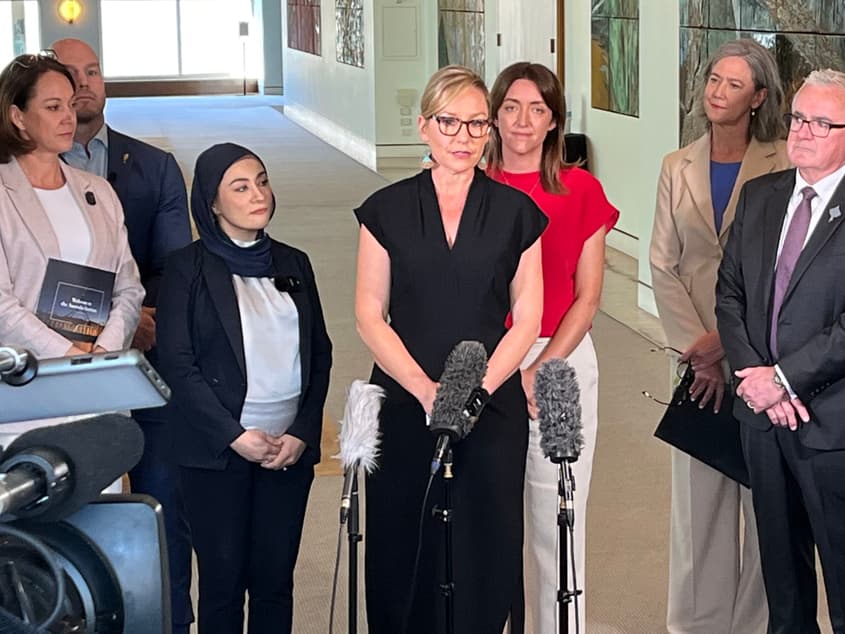
The claim is true. Japanese companies are on-selling a lot of Australian LNG and making a lot of profit while doing it.
The gas export industry has been free riding off Australians for decades.