Photo: AAP Image/Dan Himbrechts


Nearly 15 years ago, on a long-haul flight from Sydney to Amsterdam, I read The Great Disruption, penned by my friend Paul Gilding. I was on my way to start working with the Greenpeace International climate team. The book’s jacket promised a journey through fear into despair and then on to hope; I only got the first two. The future presented in that book has troubled me ever since. Paul didn’t write about anything I hadn’t heard before, but he did weave disparate pieces of knowledge into a vision providing equal parts clarity and fear.
The premise of the great disruption is that irrespective of any global action to stop climate change, it’s too late to avoid a breakdown of civilisation. The breakdown will be driven by a climate in chaos, triggering multiple cascading disruptions to economies, food systems and national security. I feared that it would be much worse. Rather than a destabilised climate triggering a disintegration of the systems that underpin civilisation, late-stage capitalism would destabilise economic and democratic systems independent of the climate. The poly-crises would then merge and reinforce each other in a downward spiral.
There are two clear messages: we can try to mitigate the severity of climate chaos, and we must do the best we can to adapt to it.
It was too much. I filed ecological collapse in the back of my brain. I pushed ahead trying to “win” a conventional war where you might lose the occasional battle, but you maintain that good triumphs over evil, collaboration over competition and we emerge the other side in a nice Naomi Klein This Changes Everything kind of way. Personal and collective bravery would slay the double-headed beast of climate change and inequality.
Five years later I spent a weekend with Paul and other climate leaders from around the globe at Findhorn on the very tip of Scotland. Over the course of two days we read poems, pondered the future of humanity and engaged in some introspection. There was crying, connection and whiskey drinking. There was a gentle shift in me and I’m sure others that we were on the wrong path. Not just that we weren’t doing enough, but we weren’t doing what was required. We were fighting to protect a future that was no longer possible. I felt so privileged to be there, but leaving with no idea on how to correct course, I continued as before.
Over decades of advocating for nature and the climate, I have witnessed incredible acts of courage. It takes courage to peacefully hold your ground protecting a tree in the face of baton-wielding police. It takes courage to launch legal action, knowing that a loss could wipe out all your assets. It takes courage to endure days, months and years of incarceration, hoping that your personal sacrifice will serve a greater good.
Every single action we take is important and so much better than giving into despair, or simply disengaging. Yet all this sacrifice has not been enough to counter humanity’s intentional destruction of our planet. Worse still, we have failed to protect the natural world, while our climate has remained relatively stable.
Paul’s book was published in 2011 and since then, emissions have increased, extinctions have accelerated, inequality has deepened and we have likely passed several planetary tipping points.
Heatwaves have doubled. A major ocean current in the Southern Hemisphere reversed direction for the first time in recorded history. Seas rose 1.6 inches and eight out of the ten largest cities are vulnerable to sea-level rise. The number of people suffering acute food shortages because of climate change and conflict increased from 135 million in 2019 to 345 million in 2022.
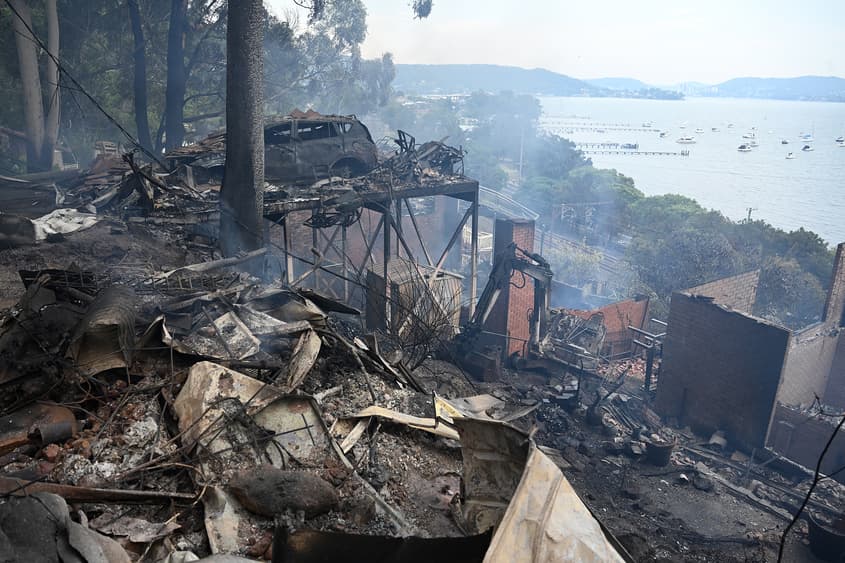
The speed of our changing climate and ecological collapse is outpacing our ability to collect data, analyse it and act. Change is happening at such a pace, we are unable to make sense of it. The great disruption has already begun.
If you are paying attention, you must be terrified. That’s to be expected as we are living in a moment of existential threat. Facing this fear is the necessary prerequisite for future acts of bravery.
Which brings me to a recent meeting with Paul Gilding and finally moving through fear and despair to hope. Earlier this year we both worked with Global Optimism, an organisation founded by Christiana Figueres, the former executive secretary of the United Nations framework convention on climate change and one of the architects of the landmark 2015 Paris climate agreement.
Christiana, one of the most powerful warriors in the battle for the climate, has put her sword aside and placed the philosophy of “interbeing” at her centre. Interbeing is a practice developed by Vietnamese monk and peace activist Thich Nhat Hanh. It builds on and operationalises the philosophy of interdependence; the belief that everything on the planet is interconnected.
The great disruption is delivering a violent lesson in the accuracy of this philosophy. It is completely changing our understanding of humanity and our place in the world. As ecological and economic collapse accelerates, it will be impossible for us to dominate, separate and compete. It will be impossible for us to reject interdependence.
Different social and economic systems will emerge through this disruption, but also different internal architecture.
Leaning into interbeing excites, frightens and challenges me in equal parts. I have always accepted that my privilege has come at a cost to others. Interdependence no longer allows me to hide behind notions of individual responsibility to mask systemic injustices. I have fundamentally shifted in the way I understand my colonial heritage.
This understanding hasn’t made life heavier; it’s lightened it. Leaning into interconnectedness increases our compassion, our empathy, our responsibility for all living beings and, in turn, our joy and sense of purpose.
The bravery of the “disruption generation” will not just rely on standing up to the oppressor but holding onto our humanity. Paradoxically, it requires an expansion of global consciousness that can only begin with an individual journey.
To borrow some wisdom from Christiana Figueres and the monks: the only way out of the great disruption is in.
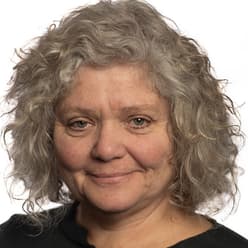
Leanne Minshull is co-CEO of the Australia Institute.
This essay is an extract from A Time for Bravery: What Happens When Australia Chooses Courage? published by Australia Institute Press.
Advertisement
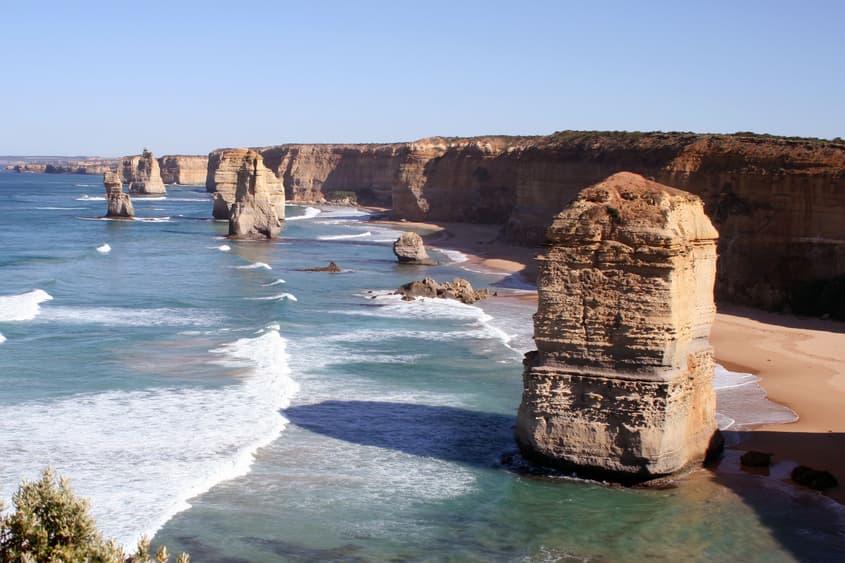
Visitors to the Twelve Apostles along Victoria’s Great Ocean Road will soon be asked to pay an entry fee, with the Vic State Government arguing it’s ‘only fair’ that visitors contribute to maintaining one of Australia’s most visited natural landmarks.
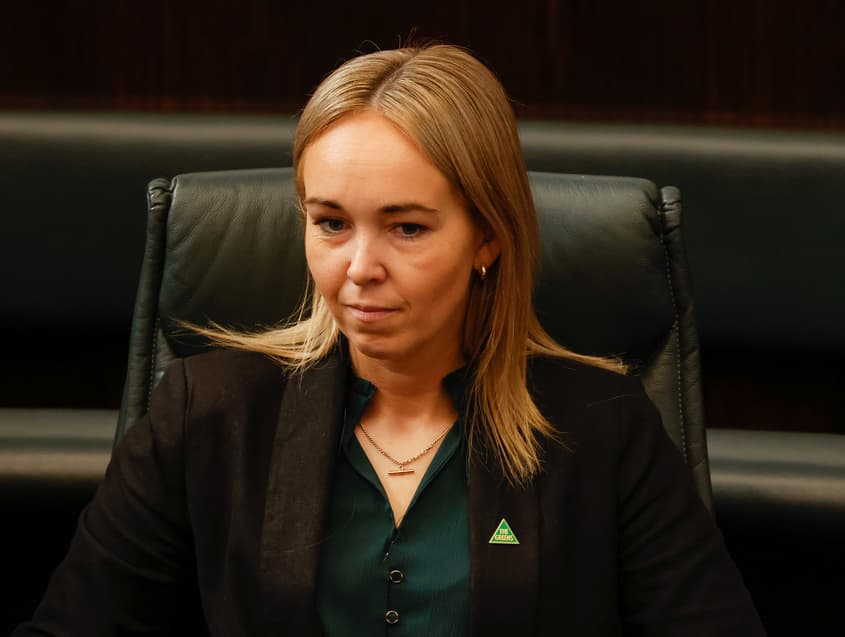
A permanent ban on fracking is back on the agenda in Tasmania with the Tasmanian Greens planning to introduce a bill to ban the harmful practice in the opening days of parliament.
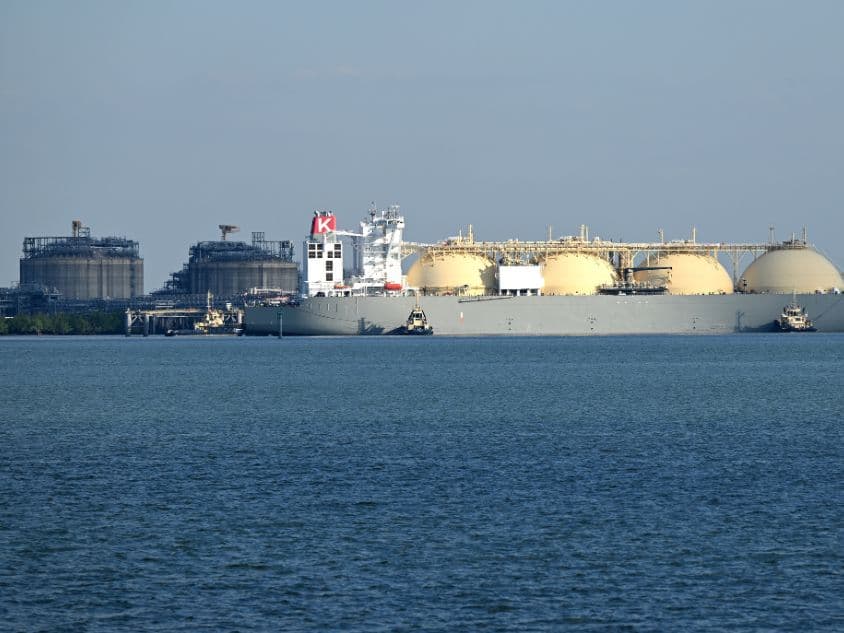
New analysis shows Japan is emerging as a major player in global gas trading, despite producing no liquefied natural gas of its own – and it’s all thanks to Australia.