Greg Jericho
Greg Jericho is a Walkley Award winning columnist, known for his regular columns for Guardian Australia and social media presence as Grogs Gamut. He is the Chief Economist at The Australia Institute.
Unemployment rises as RBA rate hikes expose a costly misread of the economy
In February the unemployment rate rose from 4.1% to 4.3%, providing further evidence the Reserve Bank misread the economy when it raised rates in both February and this week.
Raising rates while petrol prices soar shows the RBA ignoring reality and basic economics
The Reserve Bank has completely misread the economy and risked sending more Australians into poverty on Jobseeker by raising the cash rate to 4.1%.
ACOSS data reveals CGT discount billions flow to Australia’s wealthiest electorates
Research from the Australian Council of Social Services (ACOSS) released today shows that the benefits of the capital gains tax (CGT) 50% discount overwhelmingly favours the wealthiest electorates in the country.
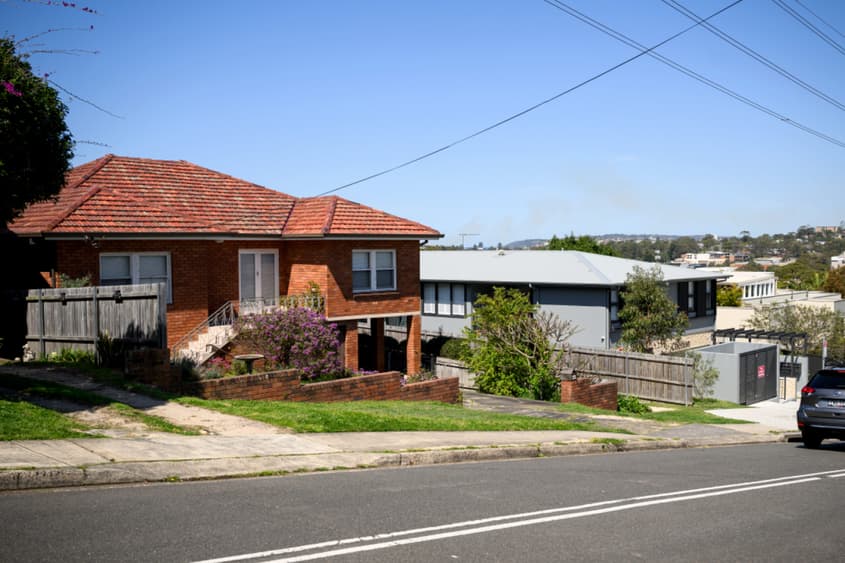
Biggest quarterly house price rise in five years: new data
The Bureau of Statistics has released the latest figures on Dwelling Prices. As was expected, the last three months of 2025 saw a pretty sizeable jump in house and apartment prices off the back of the government’s 5% deposit guarantee.
Gender pay gap narrows, yet men out-earn women in almost every occupation
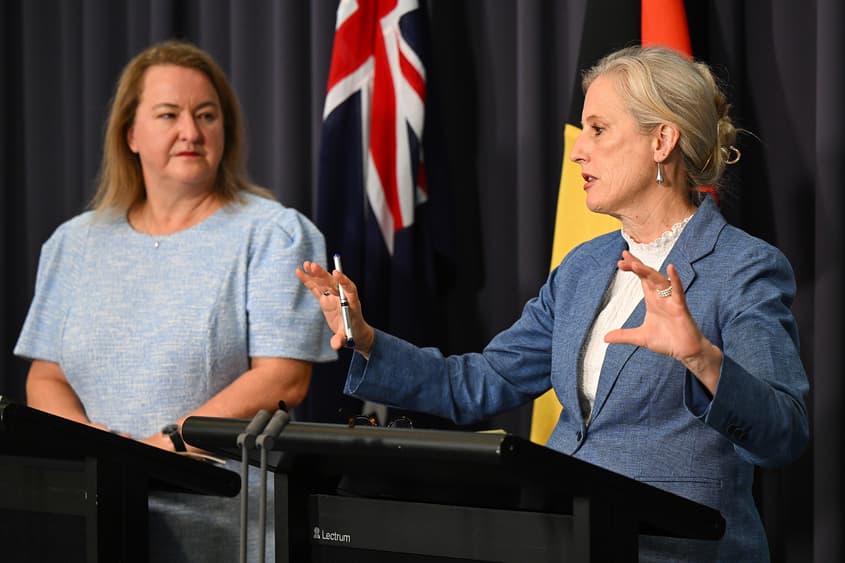
Earlier this week the Finance Minister and Minister for Women, Senator Katy Gallagher released the latest data of the gender pay gap by the Workplace Gender Equality Agency.
Will war in Iran push up petrol prices?
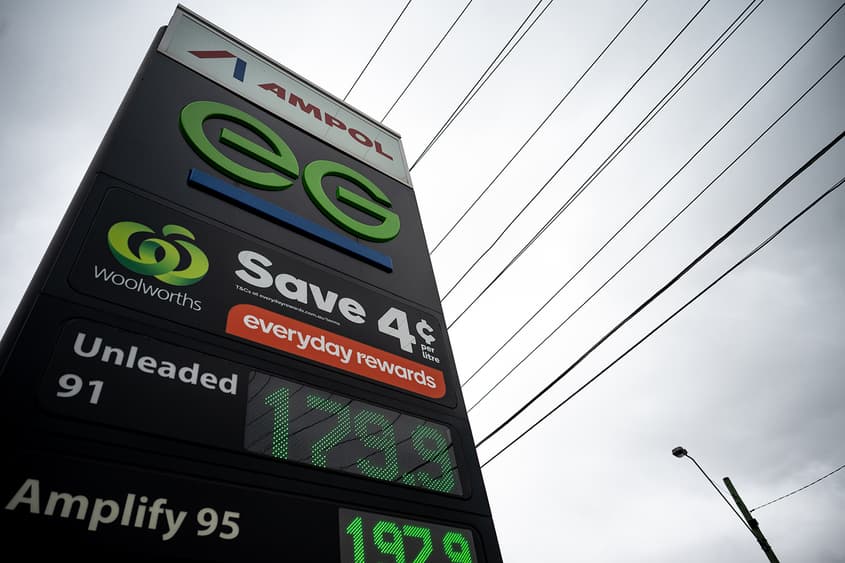
Any war or bombings in Iran always brings with it a reflex thought of what will happen to oil prices and in turn how much we pay for petrol.
Latest greenhouse gas emissions data show Australia’s emissions cuts 'too small and too slow'
The greenhouse gas data is one of those rare data sets where you want the figures to go down – less is better. And the problem for any efforts to limit the impact of climate change is that Australia’s emissions have not been going down anywhere near as fast as they need to be.
Don’t panic, RBA: low unemployment is a good thing
In some excellent news, the Bureau of Statistics estimates that Australia’s unemployment rate remained at 4.1% in January. Before we go any further let’s just enjoy the current state of Australia’s labour market.
‘Strong bank profits’ are a warning sign, not good news
When banks make big profits media organisations love to cheer them on as though there are no losers form some of the biggest corporations in Australia making ever more money. But profits don’t come from thin air, they come from customers, they come from you.
Why do the media treat rising wages as dangerous — but $200m sponsorships aren’t?
Perhaps the most screwed aspect of how the media covers economics and business is how profits and business expenses are written about as though they are glorious things with no losers, while wages growth is always a danger that actually will hurt customers.
Why blaming childcare for inflation is absurd
In the aftermath of the Reserve Bank’s decision to raise rates, the various parties that now make up the non-government side of things (“Opposition” feels far too a cohesive term) have taken to trying to blame Government spending.
All the money, none of the submarines: AUKUS deal paying upfront for hopes and dreams
When Kerry Packer bought Channel 9 back from Allan Bond for effectively half the price Bond had sold it to him, Packer famously said “You only get one Alan Bond in your lifetime, and I’ve had mine”.
OECD says its time to cut the capital gains tax discount and negative gearing
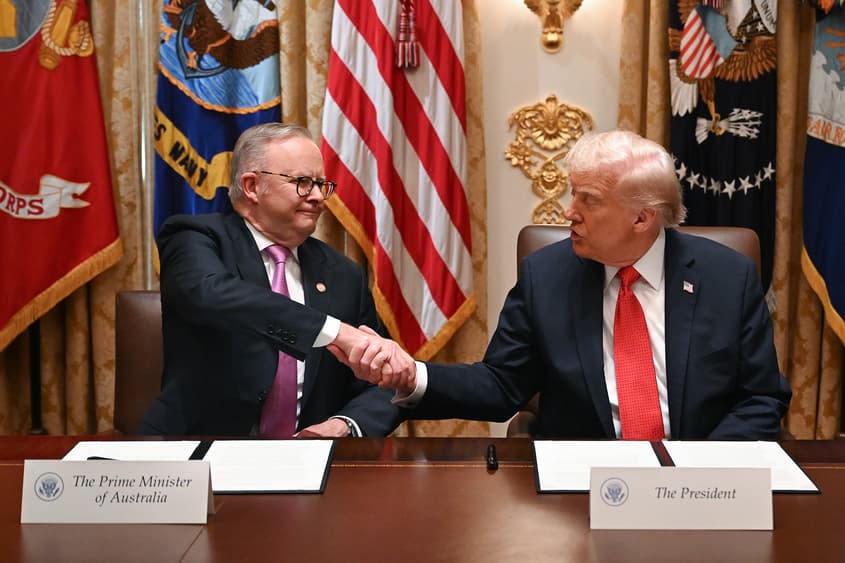
The OECD’s annual survey of Australia’s economy this week bluntly noted what most Australians understand very clearly: housing is expensive and in short supply. The report highlighted issues with planning that restrict density in urban areas, but importantly it also noted the need to reform Australia’s tax system to stop favouring investors.
What the IMF actually said about Australia’s economy
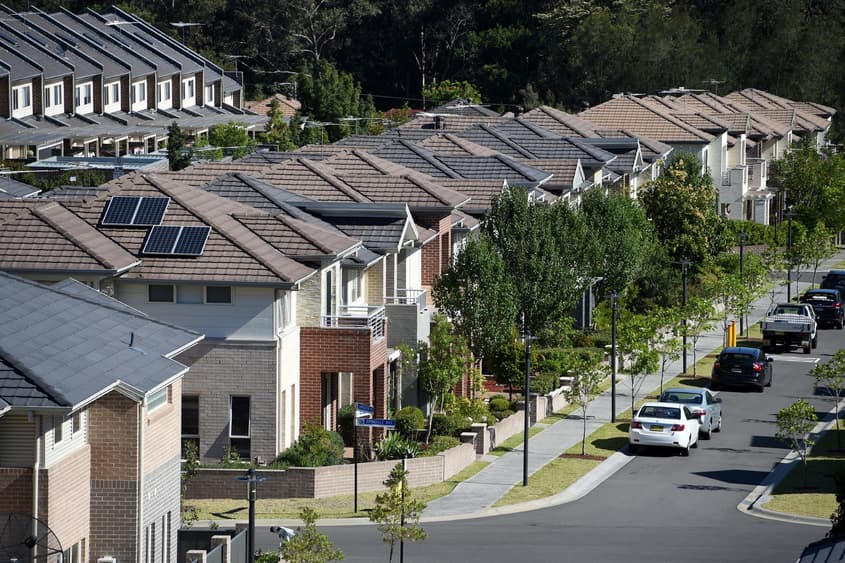
Contrary to what some commentary has suggested, when the IMF put out its January update to the October World Economic Outlook this week, there was actually precious little in it about Australia.
Oxfam: Australian billionaires pocket $600,000 a day as inequality deepens
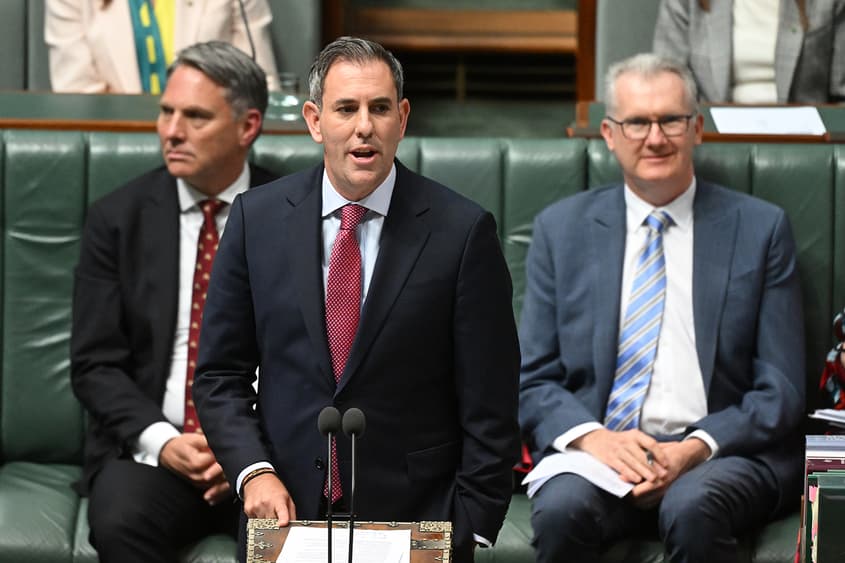
A major report by Oxfam released today has found that the average Australian billionaire increased their wealth by almost $600,000 a day over the past year, or more than $10.5 billion altogether.
I like to be in America? New travel figures suggest otherwise.
Australian travellers have given the Trump presidency a resounding thumbs down.

The global hottest list no one wants to be on
Figures released by NASA overnight show that 2025 was the second hottest year on record. The three hottest years on record are 2023, 2024, and 2025.

Treasury figures reveal $18 billion capital gains windfall for Australia’s richest 10 per cent
The latest tax expenditure figures released on Friday by the Treasury department show this financial year the richest 10 percent of Australians will receive $18bn worth of tax breaks from the capital gains tax discount – nearly 5 times more than everyone else.

MYEFO reveals continued failure of petroleum resource rent tax, gas giants still big winners
The release of the mid-year fiscal and economic outlook (MYEFO) has revealed the cost of the changes to the superannuation tax concessions made by the government and the continued failure of the Petroleum Resources Rent Tax (PRRT) to deliver fair benefits to Australians

The rich get tax advice; the poor get lectures: super tax saga lays bare a skewed system
A new report on the amount of revenue expected to be raised by the changes to superannuation tax on balances over $3m highlights yet again how the tax system is weighted in favour of the rich and that the government never gets thanks for doing what conservative forces demand.
Unemployment holds at 4.3%, but weak labour market tells a different story
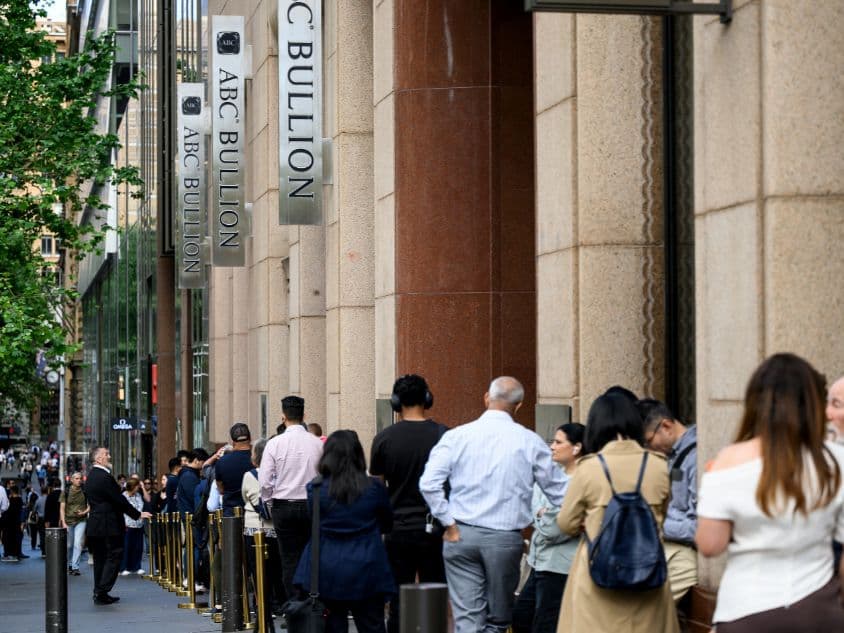
Unemployment in November remained steady at 4.3% according to the latest figures out today from the Bureau of Statistics.
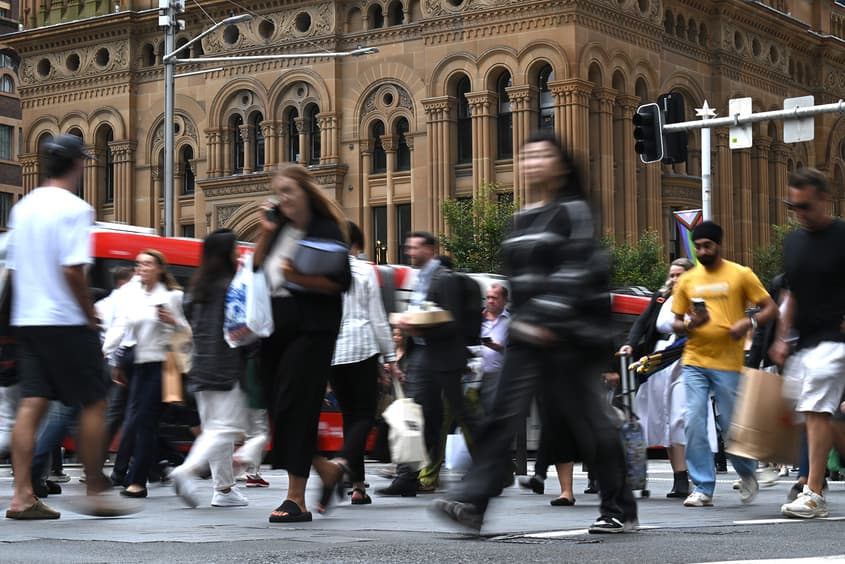
Liberals twist RBA remarks to sell a false narrative on public spending
This week the Liberal Party shamefully misquoted the head of the Reserve Bank in a weak attempt to justify their criticism of government spending.
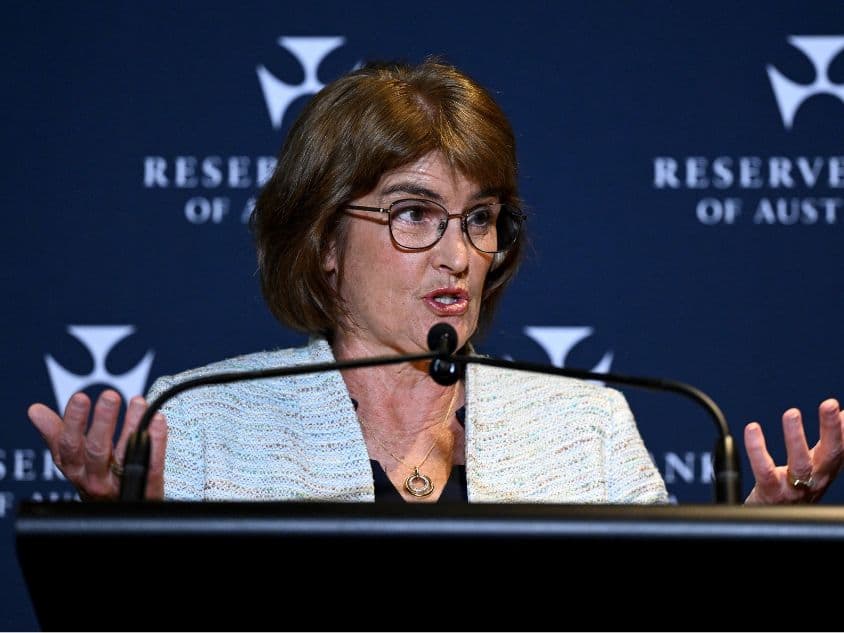
House prices rise but Melbourne shows a way to improve affordability
The latest housing figures reveal that the in the September quarter the median price for a house in Brisbane surpassed $1million for the first time.
The latest projection shows Australia is not even close to meeting its 2035 emissions target
Well the Government really is feeling its oats because not only has it released the quarterly emissions figures, it has also released the annual greenhouse gas emissions projections
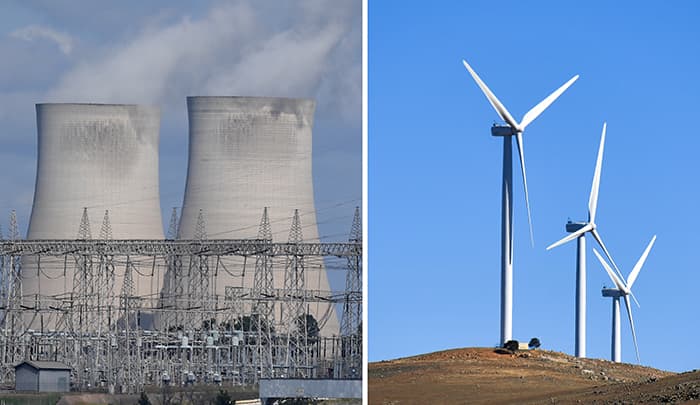
The AI boom has arrived in Australia
New economic figures show that the Information media and IT industries are growing at extraordinary rates

Four charts that give you the good and bad news of the newest greenhouse gas update
The June quarter greenhouse gas emissions have been released - earlier than expected.
No such thing as a safe seat as fewer voters than ever stick with the “major parties”
A new survey shows that voter behaviour in Australia has changed radically
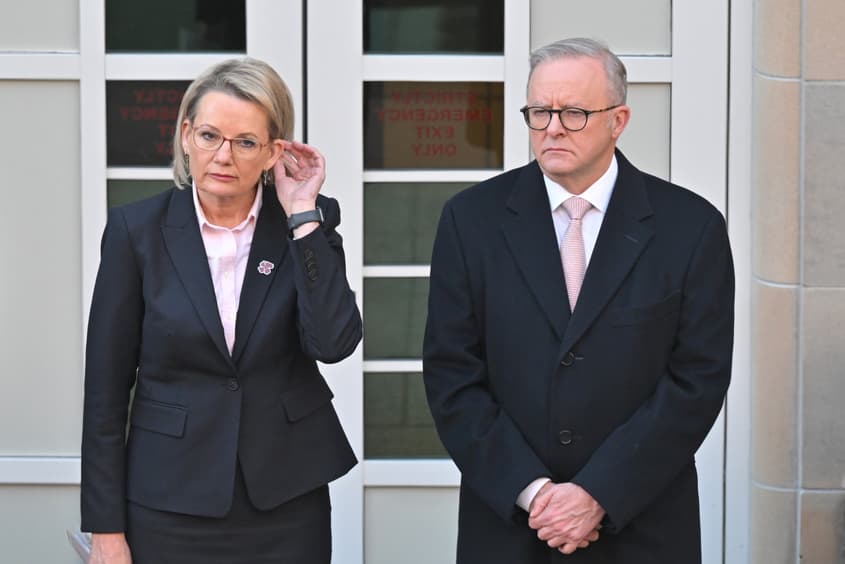
The public service is not bloated, and cuts will hurt Australians
Two charts that show the context and costs of slashing APS budgets.
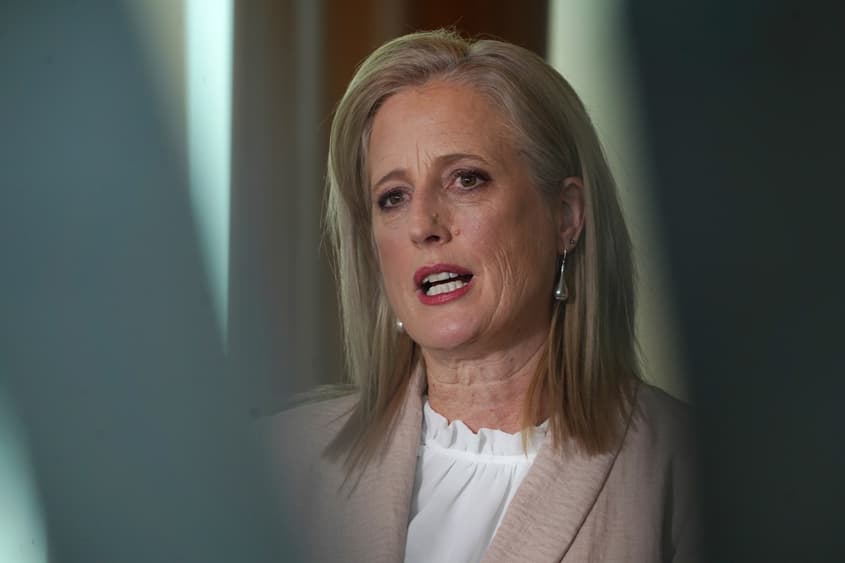
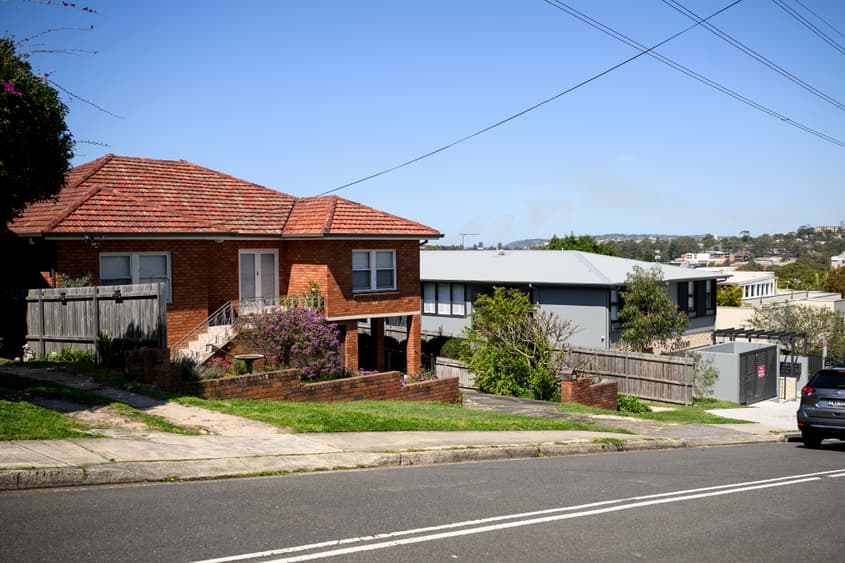
Contrary to BCA claims, Victoria actually among strongest places for business investment according to actual data
Despite continual demonisation of Victoria’s economy and suggestion that the state is a bad place to invest, the most recent state economy figures show that the Victoria remains a very popular place for businesses.
CSIRO 350 job cuts a damning indictment on Government priorities, misses 'golden opportunity' on research
The announcement this week that CSIRO are to cut 350 research jobs is another damning indictment on Australia’s ongoing failure to prioritise research and development.
Japan imports Australian gas yet has cheaper electricity than Australia?
The broken nature of Australia energy market has been highlighted by a report that Japanese households pay less for electricity than Australians do, despite Japanese electricity being reliant on Australian imported gas.
OECD report shows LNP climate irrelevance, while Safeguard Mechanism among least effective emissions reduction schemes in world
The report demonstrates that Australia’s safeguard mechanism remains one of the least effective programs for reducing emissions, and relies the most on carbon credits.
Overall unemployment falls, but the jobs market remains weak
The fall in unemployment rate effectively rules out any remaining chance of an interest rate cut when the Reserve Bank monetary policy board meets next month
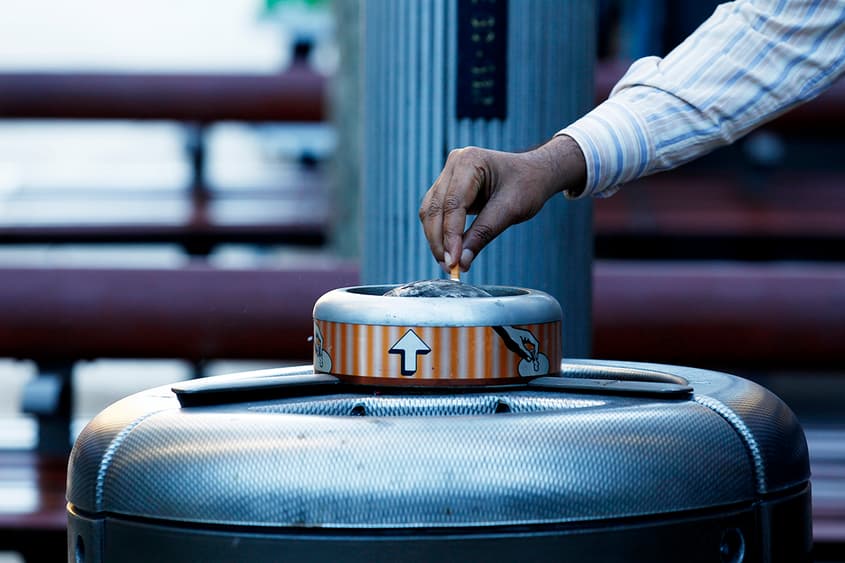
Illegal smoking police raids are being done to raise tax
There is news this week of police raiding illegal tobacco shops in Sydney. This is an interesting story where the issue is not so much about crime as tax.
Interest rates cuts have reduced the cost of living for employee households
After last week’s inflation figures the government got some good news from today’s Cost of Living figures.
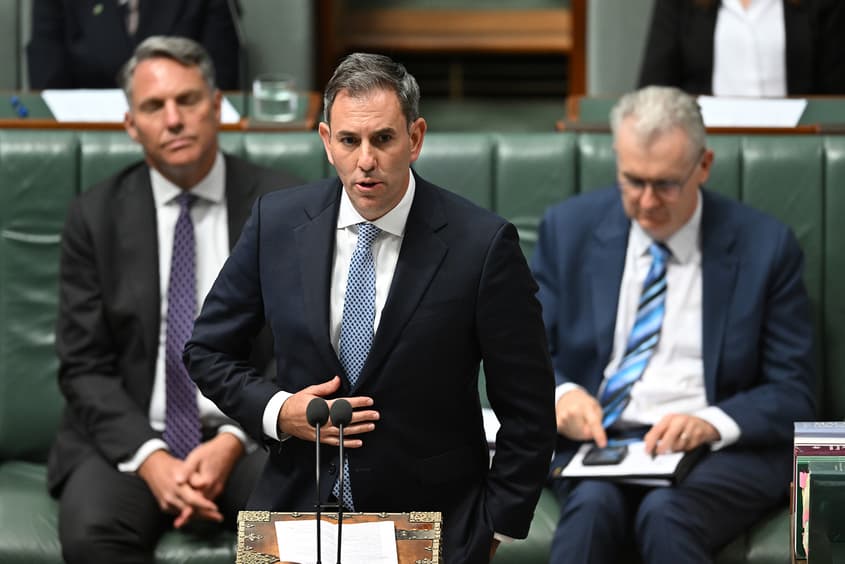
Question Time: Ted O'Brien finds another rake to step on, explained in 3 charts
The Shadow Treasurer, who you would think would have an easy day given the RBA decided not to cut interest rates, unfortunately keeps finding a rake to step on.
The energy rebates have stopped, but the cost of fossil fuels keeps electricity prices rising
Electricity price were the biggest reasons for the unexpected jump in the inflation numbers out this week.

Explainer: What is 'National Interest Approval'
This part of the Environment Protection Reform Bill explanatory memorandum is generating rather a lot of interest
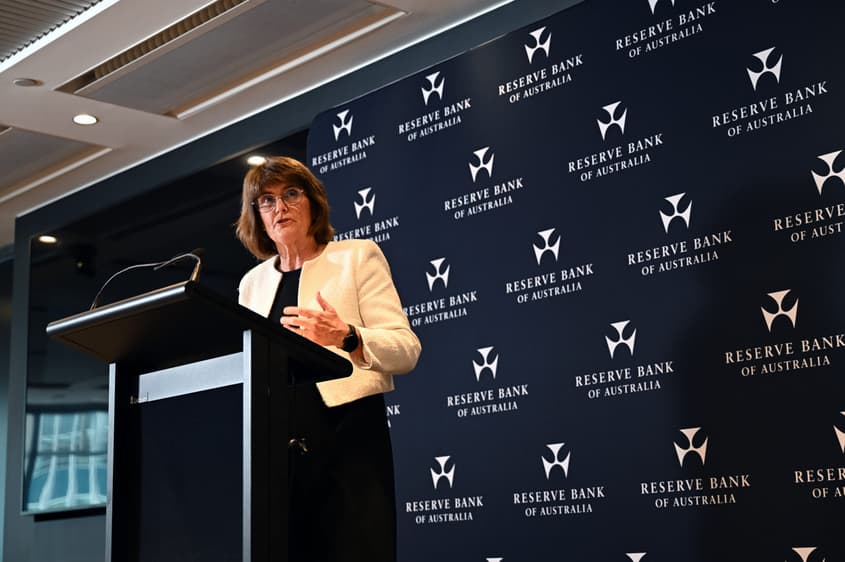
‘Fireside chat’ with RBA Governor raises more questions
Last night the Governor of the RBA, Michele Bullock had a “fireside chat” at the Australian Business Economists annual dinner.
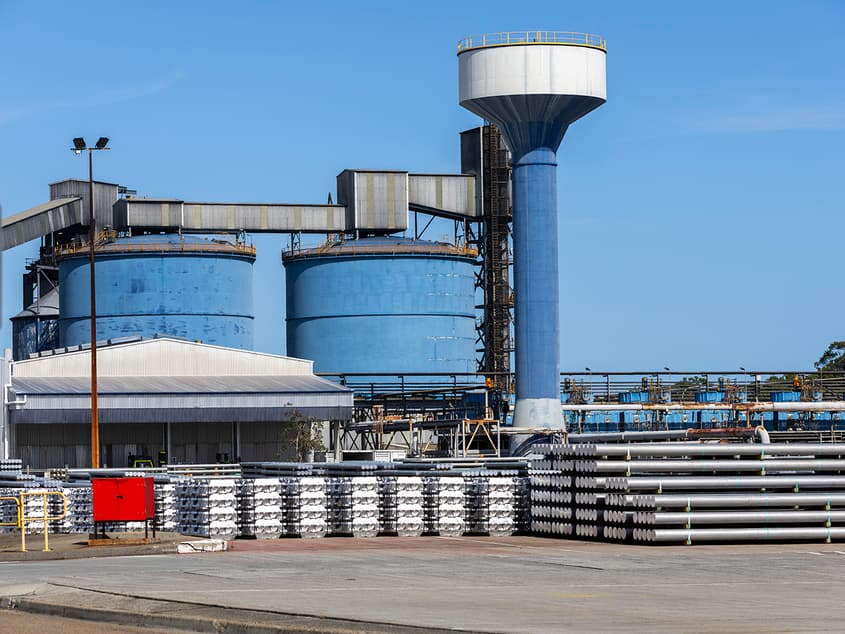
Who is to blame? In energy, the answer is most likely always gas
A report out today in the AFR suggests that “Australia’s biggest aluminium smelter, Tomago, has started a consultation process with employees on the plant’s potential closure”
The more gas we export, the more it costs Australians in utility prices
Yes, the Queensland gas industry is doing heavy lifting – lifting of gas and electricity prices

RBA makes a major mistake on the job numbers
When the Reserve Bank decided not to cut interest rates at the end of September, numerous reasons were given, but one stands out because it appears to be completely wrong.
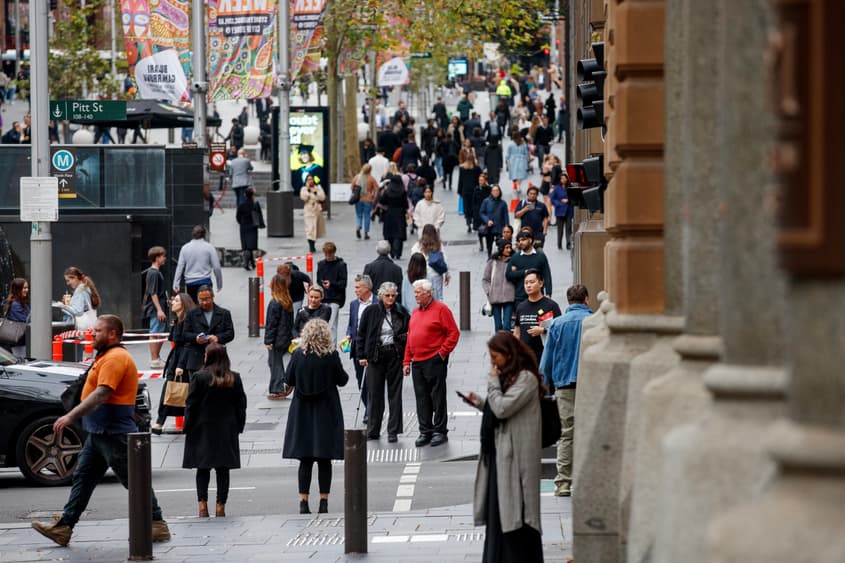
The RBA has finally gotten unemployment to 4.5% - but this never should have been the goal
The evidence is now clear that the current level is still slowing the economy.
Donald Trump's new film tariff isn't exactly showstopping
Here's what Trump hasn't thought through - and why the threat rings hollow.
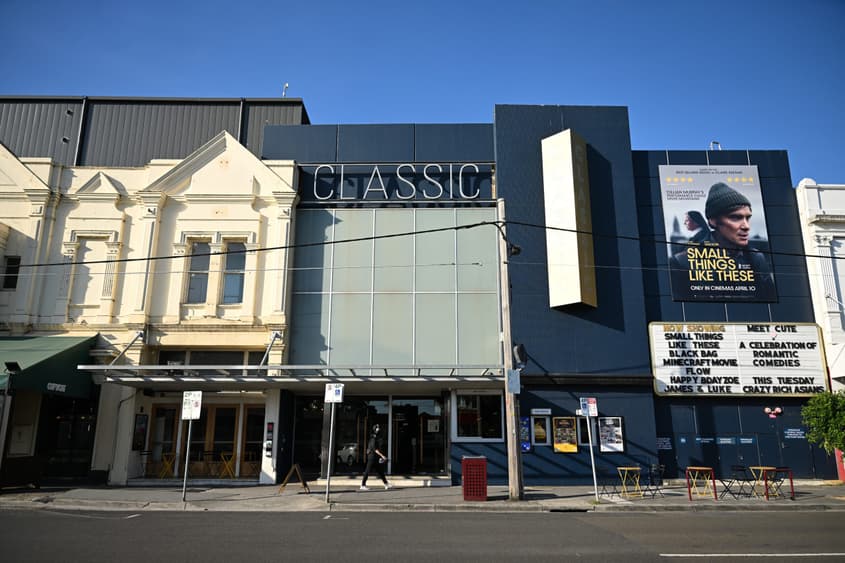
There's few easier ways to demonstrate the inequality of Australia’s tax system than 'wealth advice' columns in Australia's major papers
Last week the Australian Financial Review’s wealth column advised wealthy Australians of a way to put more money into superannuation, but which in truth was just another example of how the system is being abused.
Australia uses more gas to process exported gas than for domestic power generation or manufacturing
Australia does not have a natural gas shortage.
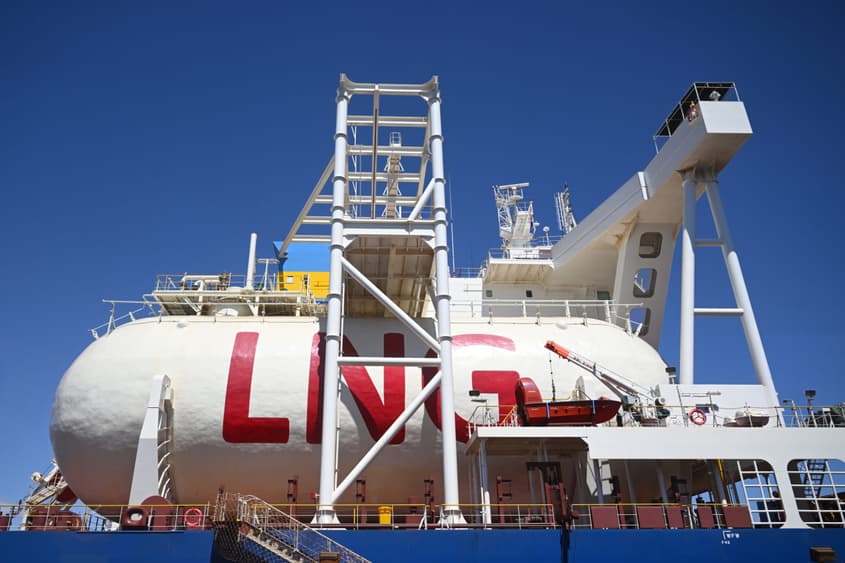
Employment rates are falling, but that's the RBA's plan
It now sadly appears that we have said goodbye to unemployment below 4%. It was, however, a level of unemployment the Reserve Bank believed was not sustainable.
Jim Chalmers' Wellbeing Framework a worthy aim, but still a big miss
The release of latest “Measuring What Matters” figures reveals we still have a very long way to go before developing a true wellbeing framework.
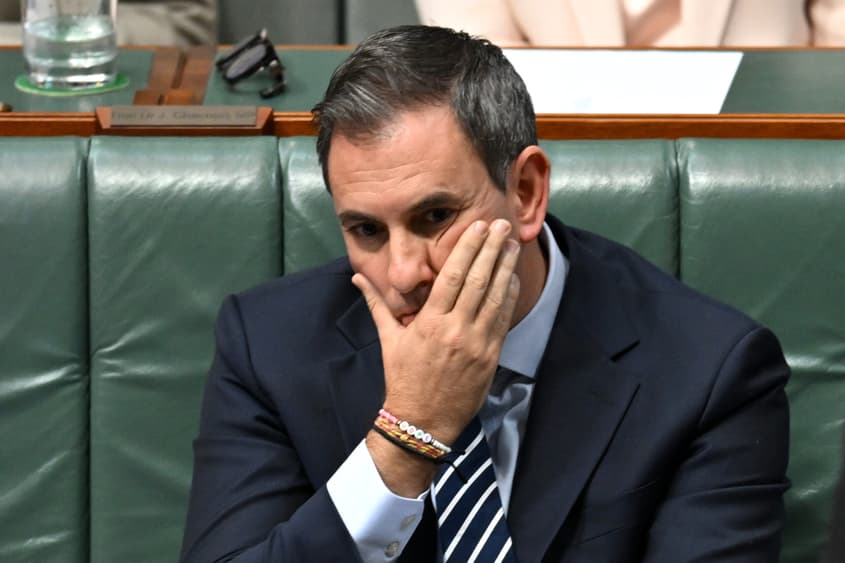
Business groups want the government to overhaul the tax system? Excellent – we have some ideas
The landslide win by the ALP has seen business groups come out demanding the government listen to their demands despite having provided them no support, and plenty of opposition, over the past 3 years.
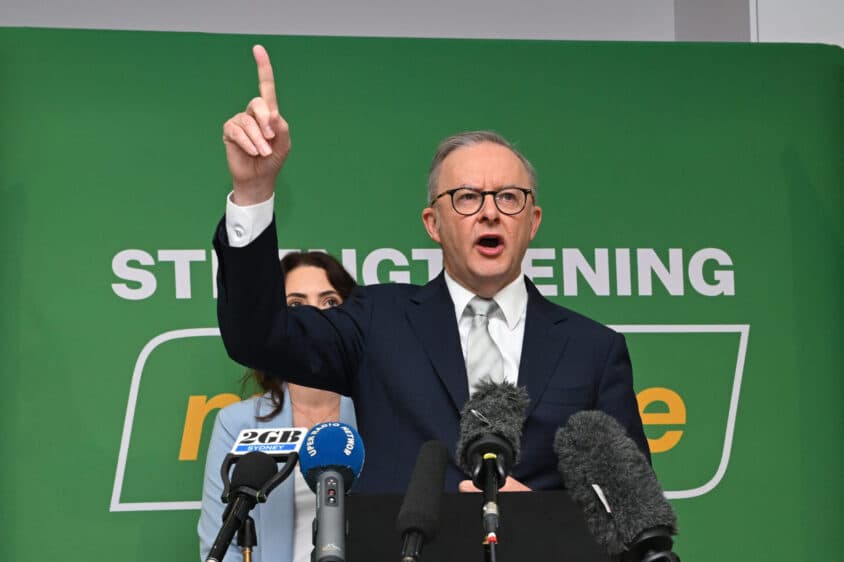
Private health insurance is for the rich – the rest would rather better public health
ATO figures show that private health insurance is favoured by the rich and it should be subject to GST.